

Third-party consent law, Digimart Global (Swindon, England): Calls for a change to the law on consent are growing after the trial of Philip Young, who drugged, raped and advertised his wife Joanne Young for sex online over a 13-year period, according to a report by BBC Wiltshire.
On Thursday, four men were found guilty of sexual offences against Joanne Young at Winchester Crown Court. Philip Young, 50, had admitted numerous sexual offences against his wife.
He used websites and apps to invite men to the couple’s home in Swindon without her knowledge, and the prosecution said the four men, who were strangers to each other, did not seek consent from her.
Calls for the government to act
Joanne Young and her daughter Alex have both called for changes to the law. Alex Young said the Sexual Offences Act was last updated 23 years ago, asking why the law had not kept pace with social and technological change.
In a LinkedIn post she questioned whether one person’s partner can consent on their behalf and whether that is enough to be used as an argument in court.
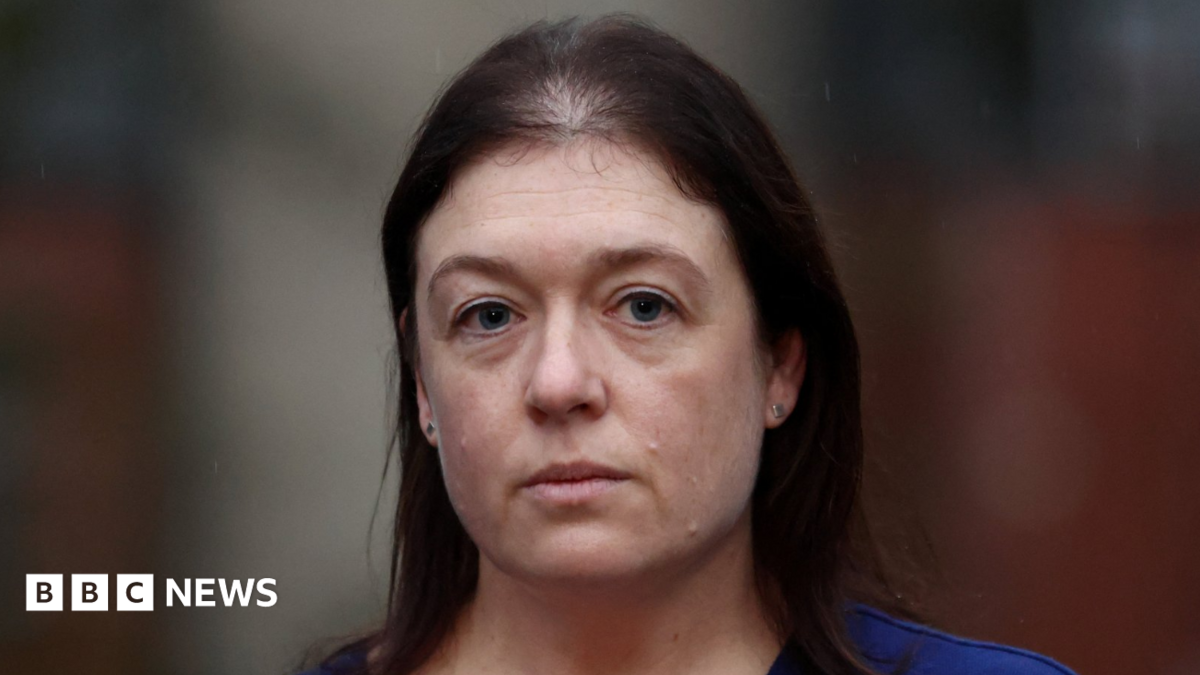
Joanne Young, who has waived her right to anonymity, spoke outside the court after the trial. She said that no one should be able to give consent on another person’s behalf and urged the government to make the issue a priority so that women are better protected in future.
The defence and the legal framework
During the trial, the defendants claimed they had been duped by Philip Young and believed she was consenting. The Sexual Offences Act 2003 states that “a person consents if he agrees by choice, and has the freedom and capacity to make that choice”.
Prosecutors described the trial as the first of its kind in England. Former minister for safeguarding and violence against women and girls Jess Phillips told LBC she did not believe it would be the last unless changes were made, and called for online safety laws to be strengthened.
Wider calls for action
Phillips said there was “absolutely” a case for making it an offence to advertise another person for sex online, and that she believed the websites involved should be asked to explain how they can guarantee such activity is not happening. The Domestic Abuse Commissioner, Dame Nicole Jacobs, described the case as a potential turning point and said drug-facilitated sexual abuse should be recognised as a form of domestic abuse rather than an isolated incident.