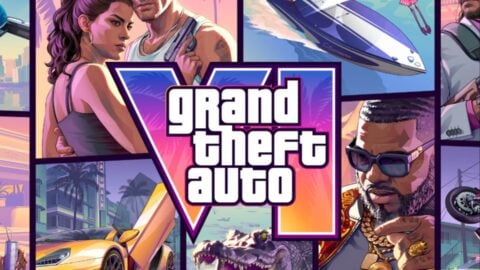

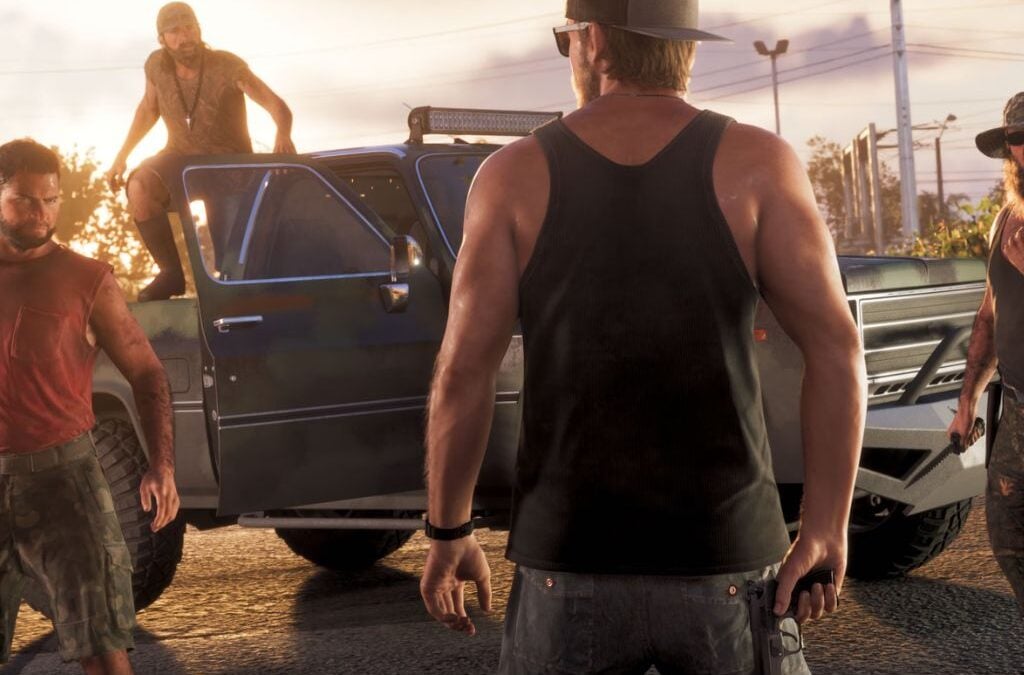
GTA 6 development debate, Digimart Global: Rockstar’s Grand Theft Auto VI (GTA 6) has launched with a score of 99 on Metacritic, tying The Legend of Zelda: Ocarina of Time for the highest Metascore the site has ever recorded. The launch has also sparked a public debate among veteran developers about what the game’s success means for the rest of the industry.
Retired Deus Ex creator Warren Spector, Larian Studios publishing director Michael Douse and Kyle Rowley, game director of Alan Wake 2, have all shared sharply different views. According to the source, the discussion centres on the game’s reported development cost and marketing budget.
In a LinkedIn post, Spector, who retired from game development in August, congratulated the team behind GTA 6. He then argued that its billion-dollar development cost and marketing budget do not represent a business model other studios can or should copy, especially while thousands of developers are out of work. He wrote that he would rather have hundreds of games and full employment than one game, however amazing.
Spector also repeated his long-held view that no game that matters ships on time or on budget, noting that GTA 6 arrived at least a year after its original target. He said he hopes it is the last of its kind, even if it is the best the industry has to offer.
The budget figure remains an estimate. Take-Two has never disclosed what GTA 6 cost to develop, and public estimates range from $1 billion to $2 billion.
The timeline is better documented: Rockstar originally targeted fall 2025, then delayed the game twice, first to May 26, 2026, and then to November 19, 2026.
Douse took a more optimistic view in a post on X. He suggested that a release that gives every audience and generation the same excitement about something genuinely brilliant has real value, and that not every game needs to be GTA, since other types of experiences also have room to succeed.
Rowley disagreed with a narrower point in Spector’s post. Responding on LinkedIn, he argued that the attitude that no game that matters ships on time or on budget can become self-fulfilling.
In his view, it could lead studios to stop managing overruns, with budgets spiralling because no one respects the business case. He said his objection was not about how many games are shipped, but about discouraging respect for the business case.
The positions overlap more than the exchange suggests. Spector’s fuller post also warns that underfunding a game or releasing it before it is ready guarantees failure, so his concern is about scale rather than investment itself. Rowley’s concern is about treating overruns as inevitable, while Douse sets budgets aside and argues that blockbusters and smaller games can thrive side by side.