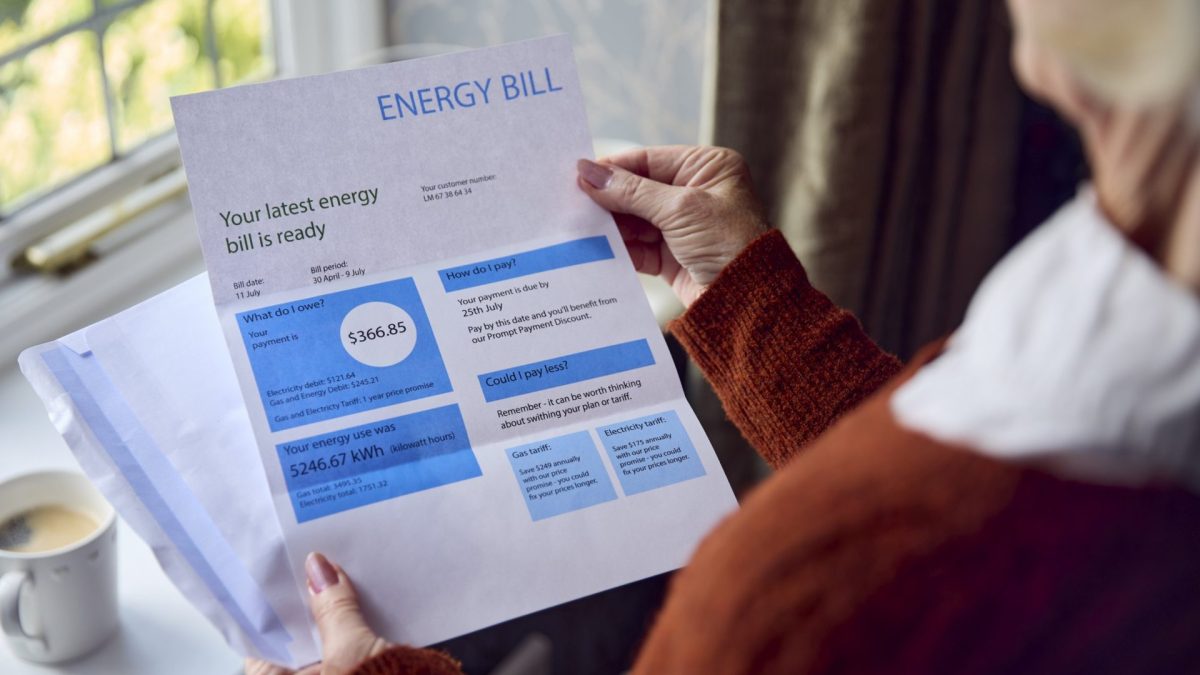
UK energy debt relief scheme for households, Digi Mart USA News (United Kingdom): Households that have fallen behind on their gas and electricity bills could have some of that debt written off under plans published alongside Chancellor John Healey’s Budget last week. The Government and Ofgem’s new energy debt “circuit breaker” strategy promises a one-off Debt Relief Scheme, which Ofgem said would help people “get back on top of their finances and make a fresh start.”
Ofgem estimates that around 2.4 million customers have debt that could be considered for the scheme. The regulator has said not all of them will qualify, and how many people end up receiving help, and how much debt is written off, will not be clear until the rules are finalised next year.
In 2022, energy costs soared after Russia’s invasion of Ukraine pushed up wholesale gas prices. At the peak of the crisis, a typical household’s annual bill was capped at £2,500 under the Government’s Energy Price Guarantee, which prevented costs from going above that threshold.
That was still almost double what households were paying a year earlier, and many struggled to keep up, falling into debt with their energy suppliers.
Household energy debt in Great Britain stood at £5bn in the middle of this year, roughly three times what it was in 2021 before the war. More than two million households are now in debt or arrears with their supplier, and three-quarters of the money owed sits with customers who have not reached an agreement with their supplier to repay that debt.
Ofgem first proposed a scheme to tackle some of that debt last November, which would have written off up to £500m for up to 200,000 people on means-tested benefits from early 2026. That scheme never went ahead, but the Government and Ofgem have now revived it as part of a new energy debt strategy and expanded it to cover far more households.
The revived Debt Relief Scheme is aimed at debt built up during the worst of the crisis, between 2022 and 2024, which Ofgem puts at £2.47bn of the £5bn total. Government analysis suggests the expanded strategy could save a typical household around £130 over the next decade by stopping the cost of unpaid debt being passed on to everyone else’s bills.
The i Paper understands energy suppliers expect the number who will receive help to fall well short of 2.4 million, with the scheme likely to end up on a similar scale to last year’s plan once conditions are applied. There is nothing to apply for yet, and the full rules will not be set out until Ofgem consults before the end of the year.
The strategy points to three broad tests households will likely have to meet. The first is circumstances: the scheme is aimed at people in “genuine financial need,” including those on means-tested benefits such as universal credit, people on disability benefits and pensioners.
The second is debt: only debt built up between 2022 and 2024 counts, and the scheme is designed for people with little realistic prospect of repaying that debt on their own.
The third test is engagement. Having debt wiped will not be automatic, as households will have to work with their supplier to agree how they will pay for energy in future.
That is likely to mean agreeing to a repayment plan or switching to smart pay-as-you-go meters running in prepayment mode. Ofgem has said the amount eventually written off will depend on customers engaging with the scheme.
People who are struggling with bills but are not on benefits or of pension age are not due to be eligible for relief, and anyone who refuses to set up a debt management plan with their supplier could also miss out. Debt Justice’s executive director Heidi Chow has warned ministers that the scheme “mustn’t force people onto unaffordable repayment plans to access it.”
Under current rules, when someone does not pay an energy bill, the supplier can recoup the money by adding it to other people’s bills. According to the strategy, unpaid bills today add £67 a year to a typical household’s energy bill.
The Government has not yet said exactly who will pay for the new scheme, but Ofgem is expected to set out the cost and impact on bills when it consults later this year.
Under last year’s plan, the cost of wiping debts would have been added to everyone’s bills, at between £3.23 and £5.13 per household for one year, according to Ofgem. The i Paper understands the new scheme will also add a small upfront cost to bills, but the Government expects it to pay for itself within two years, as less unpaid debt is passed on.
Campaigners want energy companies to pay instead, with Chow saying: “The scheme must be paid for by energy company profits, not by billpayers.”
Government analysis suggests the scheme should also stop more than £5bn of new energy debt building up by 2036. The Budget promised that no new government costs would be added to energy bills until a new framework for controlling them is in place at the 2027 spending review, and the Government is understood to believe the scheme fits within that framework.
The scheme still has several stages before any debt is written off. Before the end of 2026, Ofgem will publish a fresh consultation on the scheme’s design, and the Government is setting up an Energy Debt Task and Finish group, chaired by the relevant minister, bringing together suppliers, charities and Ofgem.
In early 2027, Ofgem expects to make a final decision once the consultation closes and plans to consult on whether rules on installing prepayment meters without consent need changing. The scheme is due to go live in spring 2027, subject to the consultation outcome.
Energy UK, which represents suppliers, has warned that debt is “heading towards a staggering £7bn by the end of 2026” without action. Its deputy director of customer policy, Ned Hammond, said it was vital the measures were delivered “at pace.”