
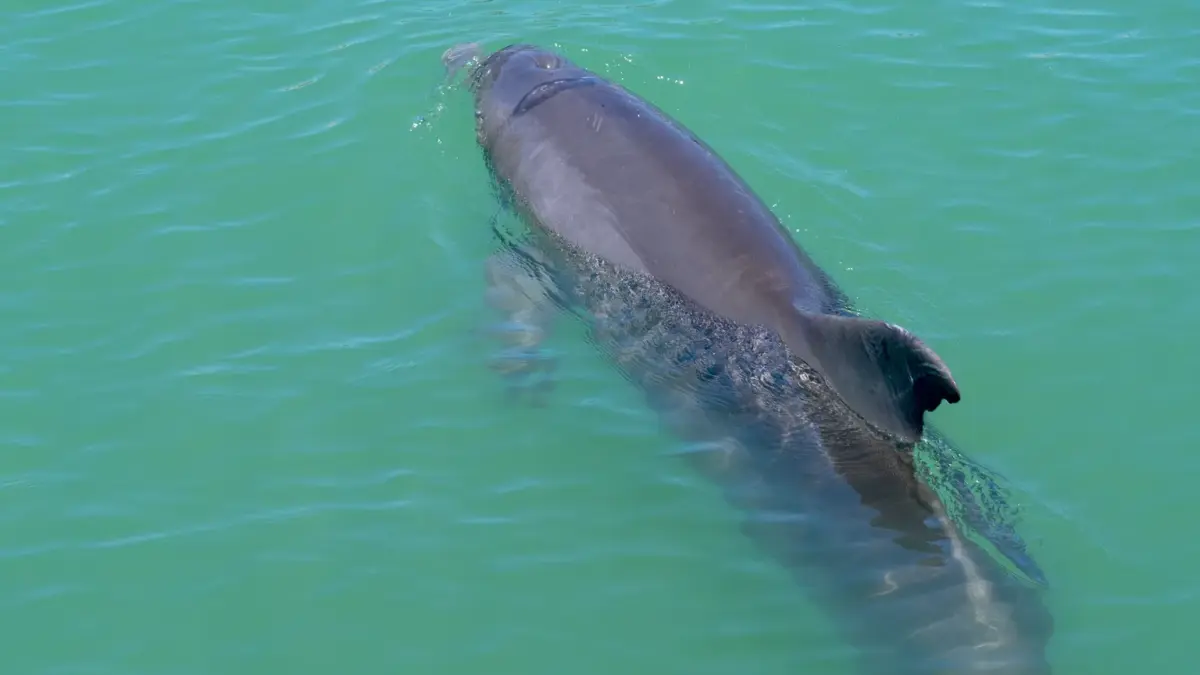
Mexico Reports Progress on Vaquita Marina Protection at CITES Meeting in Geneva, Digi Mart USA News (Geneva, Switzerland): At the 81st meeting of the Standing Committee of the Convention on International Trade in Endangered Species of Wild Fauna and Flora (CITES), held in Geneva, Switzerland, the Mexican government presented progress on protecting the vaquita marina and combating illegal trafficking of totoaba. The government said environmental conservation must go hand in hand with social justice.
The Mexican delegation includes representatives of the Secretariat of Environment and Natural Resources (Semarnat), the Federal Attorney General for Environmental Protection (Profepa), the National Commission for the Knowledge and Use of Biodiversity (Conabio), the National Commission of Aquaculture and Fisheries (Conapesca) and the Secretariat of Foreign Affairs (SRE).
Speaking on behalf of Semarnat head Alicia Bárcena Ibarra, Undersecretary for Biodiversity and Environmental Restoration and head of the Mexican delegation Marina Robles García said that, in document 33.12.2, the CITES Secretariat recognized Mexico’s compliance with 92 of the 101 goals of its Action Plan. She explained that the meeting would present updates on progress toward the nine pending goals, including the following:
The publication and implementation of a new version of the Upper Gulf of California Regulatory Agreement, published on October 14, which integrates the scientific rigor of the CIRVA, the proposals and realities of fishermen, and the recommendations of this Convention.
The implementation of fishing gear marking and satellite monitoring of small vessels.
The transition toward alternative fishing methods and the promotion of value-added markets, with communities that already use them.
Coordination with the Attorney General’s Office (FGR), which has secured prison sentences and economic penalties exceeding 130 million Mexican pesos, including a sentence handed down two weeks ago of four years in prison and a 19 million peso fine.
Trilateral work with China and the United States, which has enabled coordination of recent seizures in Hong Kong and the first legal process linked to information exchange by the Trilateral Contact Group, given the global nature of illegal trafficking in totoaba maws.
Continued permanent intelligence, surveillance and cooperation activities to keep the Zero Tolerance Zone secure.
Work with fishing communities to promote conservation and train the sons and daughters of fishermen as the next generation of technical monitors of the species.
Robles García highlighted the presence of vaquita marina calves and said the downward trend in the species’ records has been contained.
“It is time to move toward an accompaniment mechanism that respects our sovereign actions and celebrates a model where the protection of the vaquita and human prosperity walk together,” the undersecretary said.
The CITES Standing Committee and Parties recognized Mexico’s efforts and achievements in implementing the Action Plan for the protection of the vaquita marina and encouraged the country to maintain its actions and present its results at the 82nd Standing Committee meeting, scheduled for next year.
The Mexican government is strengthening protection of the vaquita marina and the participation of fishing communities in the Upper Gulf of California in its conservation, while promoting fishing alternatives and economic opportunities for their well-being.











