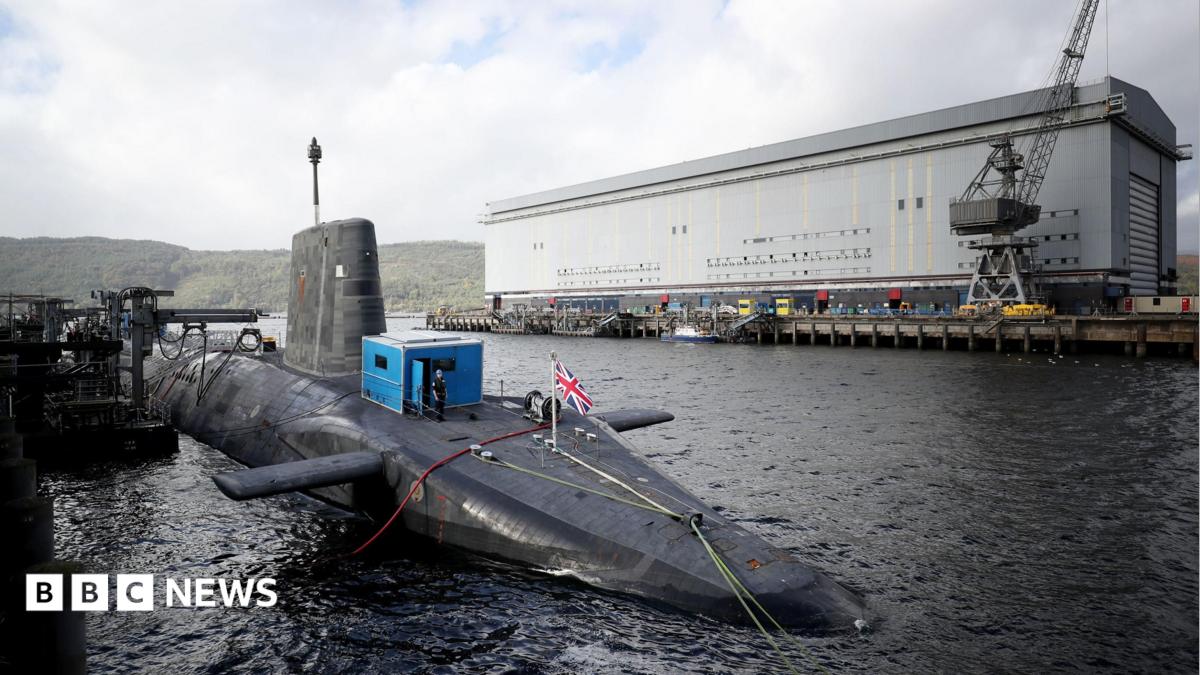
UK nuclear submarine upgrade, Digimart Global (United Kingdom): The UK has signed an £8bn contract to upgrade its nuclear submarine fleet, a deal that Defence Secretary Wes Streeting said would help make the country “warfighting ready”. The five-year contract was awarded to defence firm Babcock, according to the publisher’s report.
The Ministry of Defence said the agreement will create 3,000 new jobs and around 2,500 apprentice and graduate roles, mainly across Plymouth, Clyde and Bristol. It is also intended to allow the Royal Navy to work around the clock to return its submarines to sea and to modernise naval base services, Streeting told the BBC.
Government links deal to readiness and jobs
Prime Minister Andy Burnham said the investment demonstrated his commitment to keeping the public safe and creating opportunities for young people to enter work. Streeting said the government would not repeat past mistakes in which investment in nuclear capability was delayed, and that funding would be prioritised for the nuclear deterrent even if money had to be moved from other departments.
Speaking to BBC Breakfast during a visit to HMNB Devonport, Streeting described the investment as a win for the Navy, for jobs and for the taxpayer. He said the contract structure incentivises Babcock to produce results, with greater payment for higher productivity and lower payment if targets are missed.
Wider naval investment and reservist letters
The funding forms part of a wider £26bn investment in the UK’s naval bases announced earlier this year. First Sea Lord, General Sir Gwyn Jenkins, said it would allow the Navy to tackle delays by getting submarines through maintenance more quickly.
Streeting was also asked about reports that 100,000 former military reservists had received letters telling them to prepare to be called up for war. He said the government was contacting its strategic reserves to ensure their contact details were up to date as part of its readiness planning.
Babcock’s chief executive, Harry Holt, said the company was proud of its support to the Royal Navy, particularly its role in the continuous at-sea deterrent.