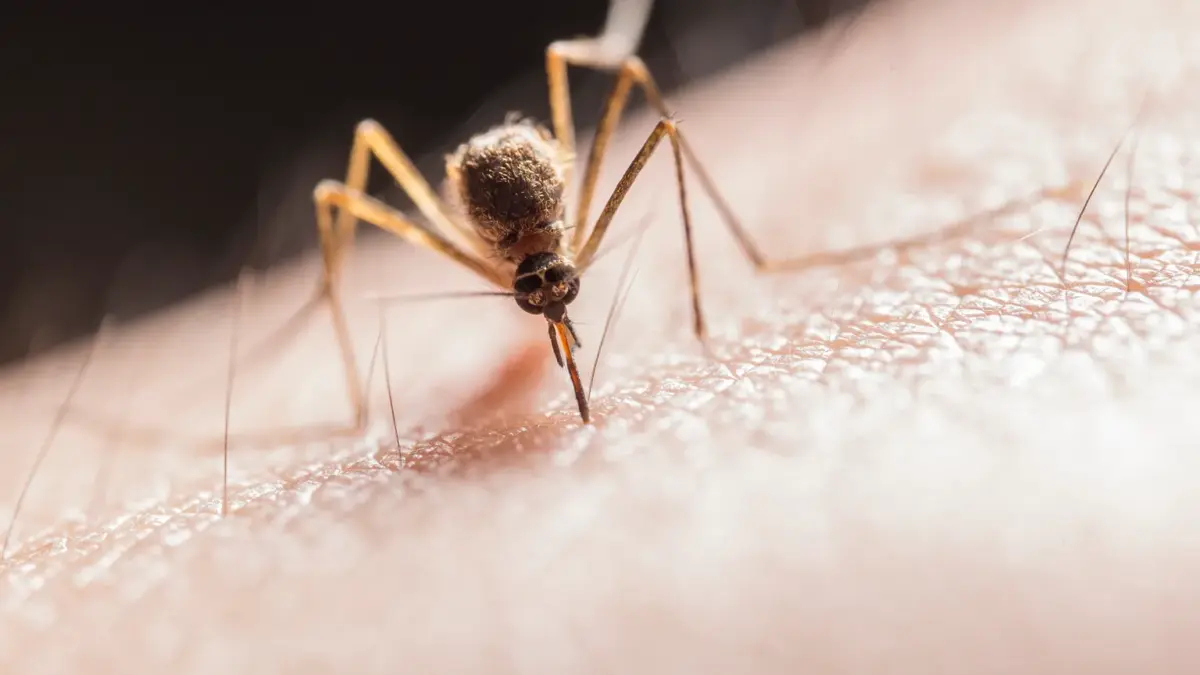
West Nile virus autochthonous cases France 2026 record, Digi Mart USA News (metropolitan France): Autumn has arrived in metropolitan France, but the number of autochthonous West Nile virus cases continues to climb, although at a slower pace, according to a new report from Santé publique France (SpF).
This Monday, 212 autochthonous West Nile virus infections, 11 more than the previous week, were identified in metropolitan France, according to the agency’s weekly bulletin on enhanced surveillance of arboviruses. This is more than triple the total for all of 2025, which was already a record with 62 autochthonous cases of this mosquito-borne infection, transmitted by the common Culex mosquito, between early May and late November.
Of the 212 infected patients so far, 177 showed symptoms. Among them, 82 had neuro-invasive forms, and six of those died, SpF reported, adding that the data available at this stage do not allow those deaths to be attributed with certainty to the virus.
Generally asymptomatic or causing flu-like illness, the infection can lead in about 1% of cases to serious neurological complications, sometimes fatal, especially in elderly or immunocompromised people. There is currently no commercially available vaccine for humans and no preventive treatment.
Circulation of the West Nile virus, long concentrated around the Mediterranean arc, continues to spread across the territory, driven by climate warming as well as other environmental changes that favor the proliferation of vector mosquitoes. This year, autochthonous human cases were detected for the first time in 16 metropolitan departments: Aude, Tarn, Hauts-de-Seine, Seine-et-Marne, Yvelines, Drôme, Rhône, Isère, Ain, Allier, Loire-Atlantique, Maine-et-Loire, Vendée, Mayenne, Loiret and Deux-Sèvres.
“2026 has been an exceptional year for West Nile,” said Florian Franke, an epidemiologist at Santé publique France, at a press conference organized by ANRS-MIE last Thursday. He noted that the “explosion of cases” is affecting many European countries.
Since the start of the mosquito season, more than 2,000 cases have been detected in twenty European countries, led by Italy (780 cases) and Greece (463 cases), according to the latest figures from the European Centre for Disease Prevention and Control (ECDC).
“The epidemiology of this virus is very unpredictable and constantly evolving. It is difficult to say what will happen in 2027, but the trend in recent years has been toward increased circulation,” Franke said, adding that “it will certainly not get better.”