ABC broadcast licenses ruling, Digimart Global (United States): A federal judge has blocked the Trump administration from taking action to challenge the broadcast licenses of ABC television network, finding the move to be an unconstitutional punishment for satire, commentary and news coverage the president does not like. The preliminary injunction was filed Wednesday by U.S.
District Court Judge Loren AliKhan, according to the publisher’s report.
In her ruling, AliKhan found that the Federal Communications Commission’s early reviews of the licenses represented retaliation for speech the administration resented. She cited perceived offenses including late-night host Jimmy Kimmel’s jabs at the president, critical remarks by hosts on The View, and the moderation of a presidential debate in September 2024. ABC and parent company Walt Disney Co.
serve six of the 10 largest U.S. markets, including New York, Los Angeles and Houston.
The judge wrote that the possible penalty, loss of broadcast licenses, was extreme enough that early renewal proceedings created a risk sufficient to chill a broadcaster of ordinary firmness. She rejected the administration’s motion to dismiss the lawsuit brought by ABC and Disney.
Licenses usually last eight years and are reviewed on a staggered basis, and they are rarely taken away.
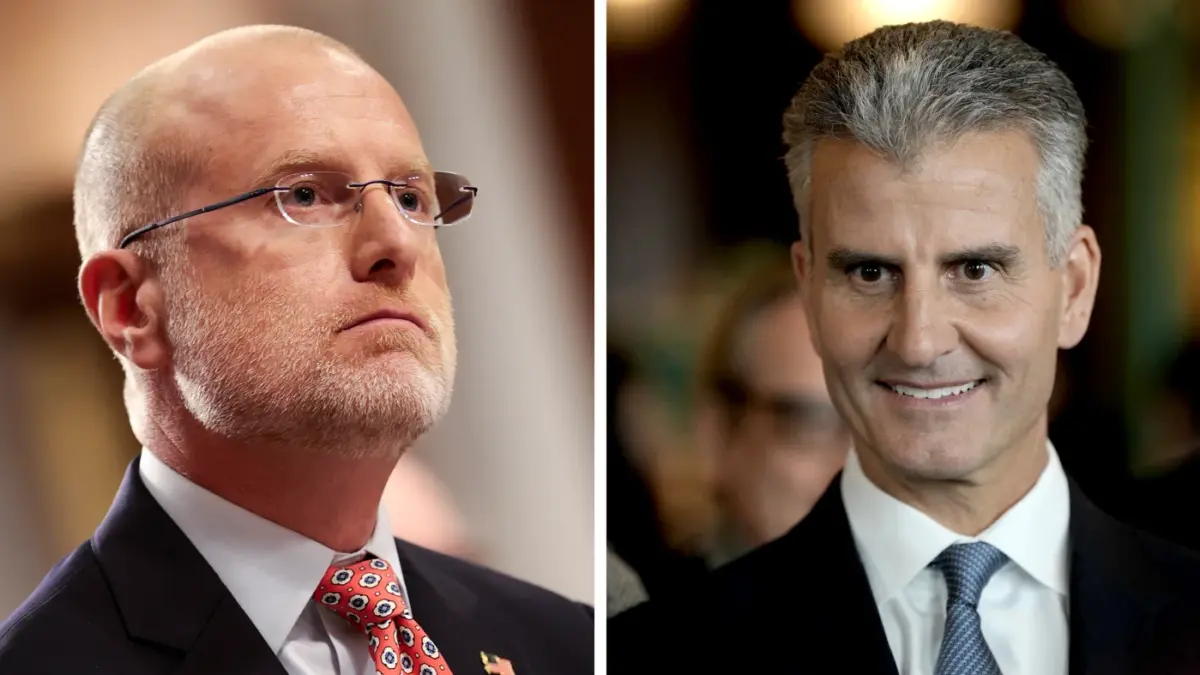
AliKhan relied heavily on public statements and social media posts from President Trump and FCC Chairman Brendan Carr. She wrote that the court counted eleven calls by Trump over the past two years for the commission to strip ABC’s licenses over editorial decisions, the most recent in July 2026. Carr did not respond to NPR’s request for comment, according to the report.
ABC’s legal team told the court that the network declined to broadcast Trump’s July 2026 Oval Office address on its television network and streamed it digitally instead, and that it would not have done so without political pressure from the FCC. ABC also said Kimmel’s interview with then-Democratic Senate nominee James Talarico of Texas was posted to YouTube rather than aired on television.
Talarico won his election to the U.S. Senate earlier this month, according to the report.
The FCC had argued the court could not act because it had not yet rejected the license renewals. AliKhan rejected that argument, writing that premature review for retaliatory reasons is itself unconstitutional and unlawful and is hard to reverse.
Anna M. Gomez, the lone Democratic FCC commissioner, said the agency had for nearly two years weaponized its licensing authority, and that the ruling put a check on that conduct.
Carr has said the review of Disney’s licenses was launched over concerns about racial discrimination linked to the company’s diversity, equity and inclusion actions, and the FCC had already opened a diversity investigation. Carr has described the Disney lawsuit as without merit.
AliKhan wrote that Disney had responded to every query in that investigation, while Carr told a congresswoman he found the responses deficient.
Disney’s lawyers argued in an October hearing that the reviews caused irreparable harm to its First Amendment freedoms. Justice Department attorney Dimitar Georgiev-Remmel said the reviews were a tool to obtain more complete information.
In court he said the FCC could have subpoenaed information or fined Disney, but acknowledged it could set the reviews aside if Disney provided sufficient information. The judge appeared skeptical that the reviews were necessary or reasonable.
Separately, a similar ruling in a case brought by CNN, MS NOW and Politico against restrictions on White House access was issued six weeks earlier by U.S. District Court Judge Timothy Kelly, and the administration is appealing.
Disney CEO Josh D’Amaro told CNBC in August that the company would not be told how to run its news operations. The ruling is a preliminary injunction and the case continues.