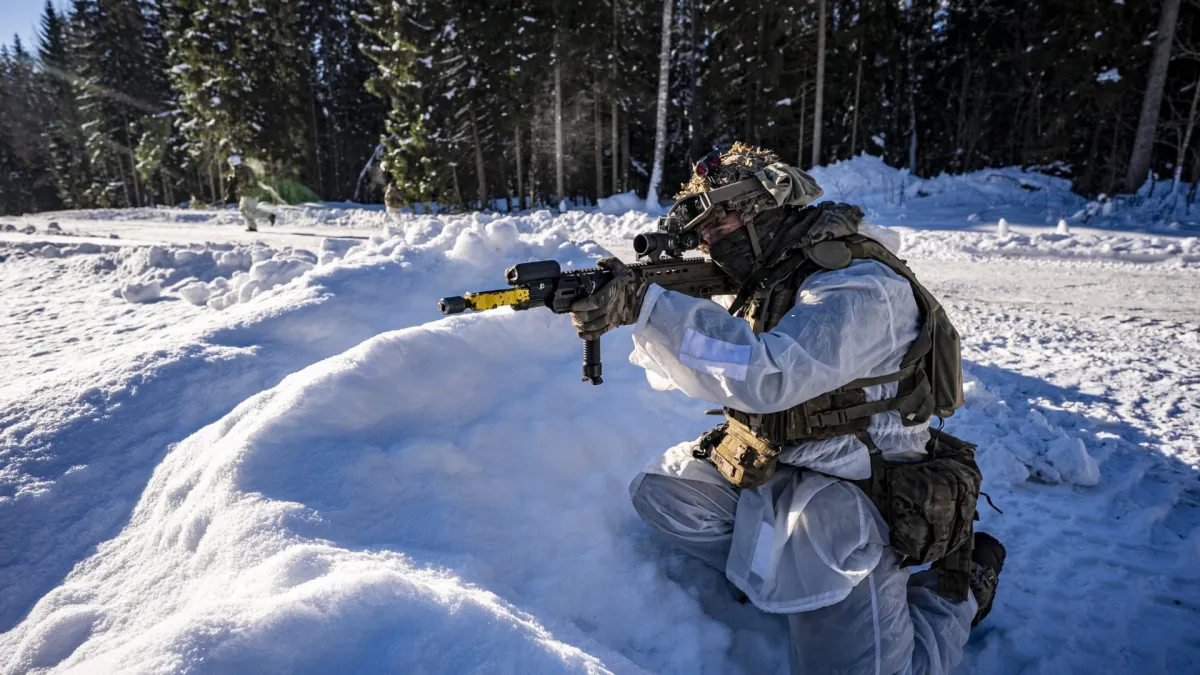
Strategic Reserve veterans, Digimart Global (United Kingdom): British veterans are being traced and asked to re-register with the military, as the UK prepares for the possibility of calling them up in wartime, according to The i Paper. Around five per cent of former personnel are liable to be recalled to the Armed Forces in an emergency.
Known as the Strategic Reserve, this group would form the third wave of troops used in wartime. They would most likely be deployed to fill gaps in the full-time forces and the volunteer reserve, and could also be used for homeland defence.
Why readiness is uncertain
Since the Cold War, the readiness of the Strategic Reserve has been allowed to lapse. The report says little is currently known about the fitness, training or willingness of its members to rejoin.
UK military chiefs have written to around 50,000 veterans to establish their readiness to fight and to build a database of skills and experience the Ministry of Defence could draw on if needed. Letters are also published online asking veterans to update the information the Army, Navy and RAF hold on them.
Training and changes to liability
Some veterans, once their readiness is known, may be invited to volunteer for military training and exercises, including Nato’s Steadfast Defender exercise next spring. Based in Belgium, the exercise will bring together forces from the alliance’s 32 member countries to rehearse how they would respond to an attack.
Strategic Reserve liability currently ends at age 55, but this is set to rise to 65 when the Armed Forces Bill becomes law at the end of this year. The nature and length of an individual’s liability depends on factors including rank, branch of the forces and time in uniform.
Government position and expert views
Minister for Veterans and People Calvin Bailey said the Strategic Reserve could help deter Russian aggression. He said most reserves will never be called back, and that the letters do not mean reserves are about to be mobilised.
Instead, he described them as good housekeeping to keep contact details and skills records up to date.
Vince Connelly, a professor of psychology at Oxford Brookes University who specialises in military reserves, described the approach as an “insurance policy”, similar to arrangements used during the Cold War. Connelly said increasing engagement between veterans and the forces had been a long time coming.
Ed Arnold, a British Army veteran and senior associate fellow at the defence think-tank RUSI, said building better datasets on the Strategic Reserve is paramount to calling people up in a crisis. He warned that many may already be working in critical roles, such as the NHS or defence industry, and that some veterans may be unwilling to be recalled, citing the Northern Ireland Troubles bill and the Haddon Cave inquiry.
Arnold also said outdated skills may make it difficult for some veterans to fit into existing training.