Stalking law reform, Digimart Global (England and Wales): A new standalone offence of stalking is to be created in England and Wales after a government review found the current law regarding the crime was “cluttered and confused”. However, the maximum sentence will not be increased.
Specific stalking offences were introduced in 2012, but the underlying offence of harassment had to be established, along with additional factors such as fear or distress, before conduct could be treated as stalking. The review was ordered by the government last year and was led by Richard Wright KC, who prosecuted the man who stalked and murdered Alice Ruggles in Gateshead in 2016.
A single offence replaces two
The government has accepted the introduction of a single stalking offence that can be tried in either the Crown Court or magistrates’ courts. Currently, only the more serious of the two offences, which requires proof of fear of violence on at least two occasions, can be tried in the Crown Court, where potential sentences are greater.
Ministers described the change as the “biggest shake-up of stalking laws in more than a decade”.
Maximum sentence remains unchanged
Documents seen by the BBC show ministers rejected Wright’s proposal to raise the maximum sentence from 10 to 14 years. Ministers said the average sentence for the more serious stalking offence in the year to March was 18.6 months, suggesting the existing maximum was not being fully used.
Safeguarding minister Satvir Kaur said the average sentences being given “aren’t good enough” and that it was better to work with judges to use the powers already available than to change the maximum.
Victims respond
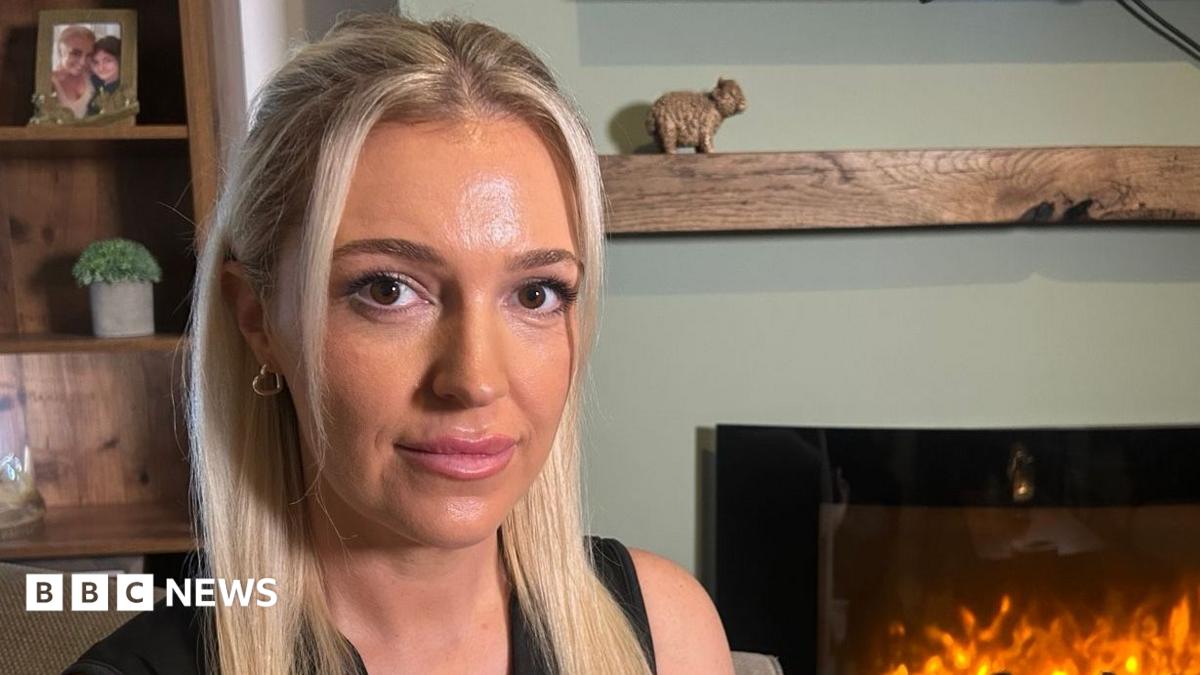
Katherine, from Newcastle, whose former partner was arrested 28 times for stalking her, welcomed the move to a single offence, saying she had been terrified when her ex was first charged with the lesser offence. However, she criticised the length of jail terms given to stalkers.
Ashley, from Washington in Tyne and Wear, who was stalked by her former husband, said she was disappointed the maximum sentence would not be increased, describing stalking as having a devastating and lifelong impact on victims.
Wider review recommendations
Wright’s review concluded that confusion between stalking and harassment laws could contribute to failures in identifying and prosecuting the crime. An earlier investigation into police handling of stalking found three in every 20 stalking crimes examined had been incorrectly recorded as other offences, including harassment.
The review also recommends removing the need for victims to demonstrate actual fear or serious disruption to their lives. The government said it would explore this test but has not yet committed to including it in the new offence.
The review also raised concerns about stalkers using applications to change protective orders in order to maintain contact with or control over victims, and suggested safeguards such as requiring court permission before certain applications proceed. The government acknowledged the problem but said it needed to explore these suggestions further.
Protection orders and next steps
Under previously announced legislation coming into force, courts will be able to use stalking protection orders in cases of both conviction and acquittal, and Kaur said these orders “can be in place for as long as is needed”. The government has not adopted a recommendation allowing previously convicted stalkers to face a new prosecution after one further incident involving the same victim.
The new single-offence legislation will be introduced as soon as parliamentary time allows, but no date has been set.
Alice Ruggles’s parents said they “welcomed” the report and were “heartened” that the response endorses a single stalking offence focused on the perpetrator’s behaviour.