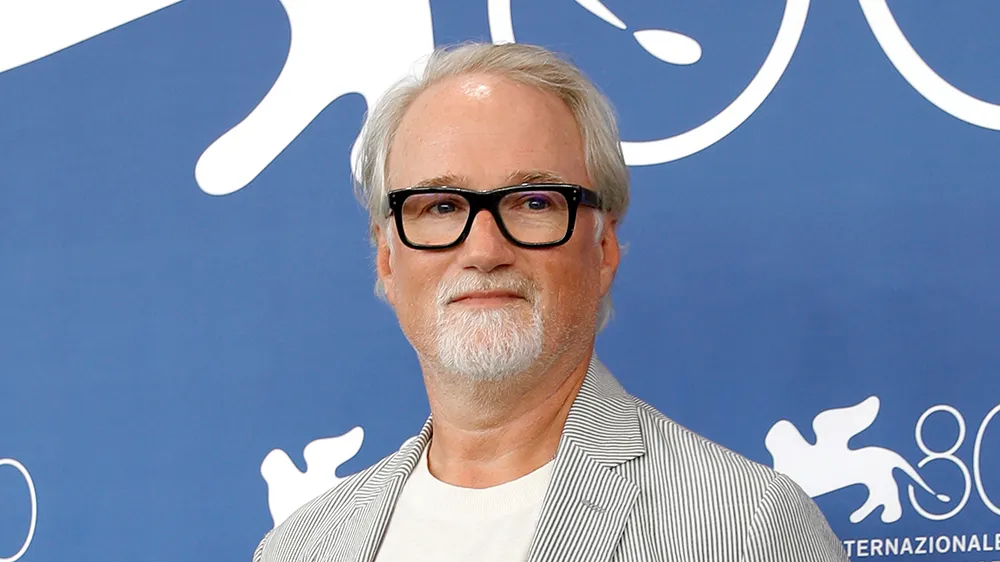
David Fincher AI use, Digimart Global: Director David Fincher has acknowledged that some artificial intelligence was used in the post-production of The Further Mis-Adventures of Cliff Booth, the Netflix film, but said the technology was intended to enhance work carried out by real human beings. His comments were published in an interview on Wednesday.
Speaking on The Ringer’s Big Picture podcast with host Sean Fennessey, Fincher said AI helped sync the best take of a line reading with the best performance take when the two did not align on camera. He said the film used four or five days of actors re-recording dialogue, and that only 5% of the film relied on automated dialogue replacement, while the rest was done with AI.
Fincher described the approach as a way to free creative choices. “What is the best thing on the eye, and then what is the best thing on the ear,” he said, adding that the team had largely found ways to achieve that, though a couple of shots had not yet fully worked.
Fincher’s view of AI as a production tool
Fennessey noted that the interview took place before allegations about generative AI use in the film emerged, so Fincher was not asked about other possible instances. Fincher said he saw AI as a tool that could help creatives with tasks such as aging, sculpting, painting and visual effects, while human teams would still shape how people move and perform on set.
He also said AI could reduce the number of takes needed on set, because the technology could correct issues such as focus or stray hair in post-production. “It’ll still be based on real human beings,” Fincher said.
Audience reaction and studio response
The comments came days after people who attended early Imax screenings of the Netflix film cited instances where generative AI appeared to have been used, including a flashback scene in which a horse carriage appeared to have two wagons. Fincher and Netflix have not commented on those instances.
In a separate Los Angeles Times interview published last week, Fincher said he did not fear AI as a filmmaking tool, asking, “It exists. Should we not use it?” Netflix has also backed AI in filmmaking, buying Ben Affleck’s AI tool startup InterPositive for $587 million in March and saying in August that more than 300 programs in its catalog had used some level of generative AI that year.