Villeneuve: The Rise of a Legend, Digimart Global (Quebec, Canada): Director Yan Lanouette Turgeon says his 1970s-set biopic of Formula 1 driver Gilles Villeneuve is deliberately the opposite of Joseph Kosinski’s F1, which stars Brad Pitt. Speaking to Variety, he described his film as the “anti-F1,” contrasting its oily garages and shirtless mechanics with the high-tech engineering of the modern sport.
Turgeon said the era he depicts was more rudimentary and far more dangerous, with a driver steering what he called a man-powered engine rather than a precision machine. Villeneuve died in a 1982 crash after winning six Grands Prix, and the film is set to close the Torino Film Festival next week before a wider international rollout.
A Story Built on an Underdog Rise
Rather than covering Villeneuve’s whole life, the bootstrapped biopic focuses on his improbable climb from rural obscurity in Quebec to carrying the Ferrari banner on racing’s most elite circuits. Turgeon said he chose to end the story at the point where Villeneuve lands the most coveted seat in Formula 1, arguing that his path, which began in snowmobile racing and continued through Formula Atlantic, shows the value of perseverance.
According to the report, the film premiered as the closing feature at the Toronto International Film Festival and has earned nearly 2 million local admissions in Quebec, one of the strongest launches since 2019.
Production Choices and Challenges
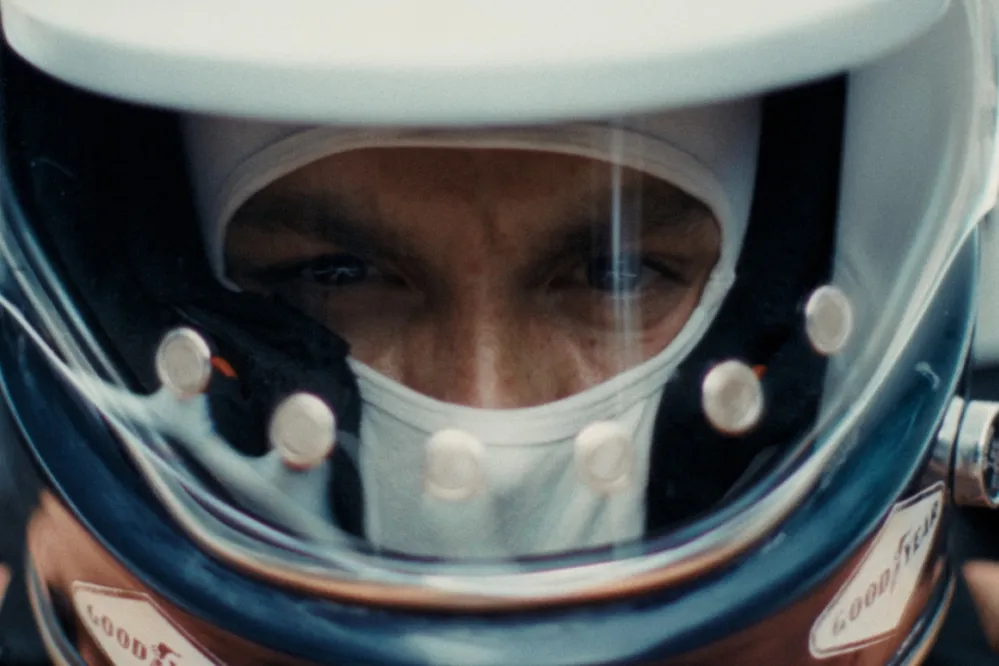
Turgeon said he took over the project after artistic differences between the producer and the original director. He said the film’s race sequences were carefully designed and pre-visualised to contain the budget, and shot largely from Villeneuve’s point of view with the camera kept low to convey speed.
He also noted that the film frequently uses extreme close-ups of its lead actor, Rémi Goulet, rather than the rear or helmeted views common in many racing films.
He acknowledged that films of this kind are rare in Quebec because of their cost and the limited local expertise in filming racing action. He said he hopes more such productions will follow.