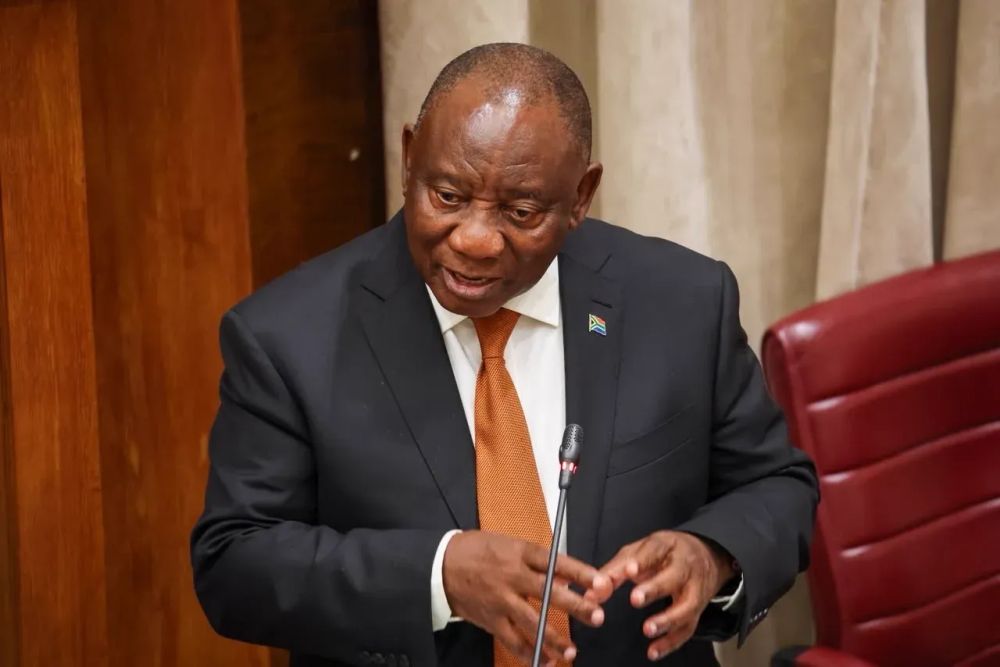
GBVF emergency measures, Digimart Global (South Africa): President Cyril Ramaphosa has said government will hold departments and institutions accountable for implementing its gender-based violence and femicide (GBVF) emergency measures. Officials will be required to account for stalled criminal cases, forensic backlogs and steps to make public spaces safer for women and girls.
Responding to oral questions in the National Council of Provinces (NCOP) on Tuesday, Ramaphosa said the measures announced on September 29 were designed to close weaknesses in the government’s response to GBVF. They set specific deliverables, responsible institutions, deadlines and reporting obligations.
The announcement followed the discovery of 11 women’s bodies in Ekurhuleni since July, which intensified public outrage over violence against women and children.
Ramaphosa acknowledged in a national address that existing interventions had not been enough to stop the violence. He said progress under the National Strategic Plan on GBVF, including new legislation, coordination structures and prevention programmes, had not prevented further violence and loss of lives.
Audit of unresolved cases
A central intervention requires the Ministers of Police and Justice and Constitutional Development, working with the South African Police Service (SAPS) and the National Prosecuting Authority (NPA), to audit unresolved murders, attempted murders, rape and serious sexual offences involving women and children. Ramaphosa said the audit must be completed by the end of November, followed by individual recovery plans for priority and stalled cases by the end of December.
The plans must identify outstanding investigative or prosecutorial action, the official responsible and the deadline for completing the work. The intervention targets cases delayed by outstanding forensic evidence or failures in investigations and prosecutions.
Forensic backlogs and public spaces
Ramaphosa said the Minister of Police, the National Commissioner of Police and relevant forensic authorities had been directed to develop a funded plan to reduce forensic backlogs within specified timeframes. Samples linked to cases involving the rape and murder of women and children must be processed urgently, with quarterly public reporting on progress.
The measures also place responsibility on municipalities to address environmental conditions that expose women and girls to violence, including broken streetlights, abandoned buildings, unsafe transport routes and poorly maintained parks. These form part of the women’s safety audits announced in September.
Alcohol-related violence and monitoring
Government has also tasked relevant ministers with developing a legislative and enforcement package to address alcohol-related violence, including stronger enforcement against unlicensed liquor outlets and establishments trading outside permitted hours. Ramaphosa said the Inter-Ministerial Committee on GBVF would oversee progress, while the National Council on GBVF would strengthen accountability and coordination across sectors.
Both structures are required to publish consolidated progress reports, with implementation also assessed through departmental performance measures.
Ramaphosa said the directives were intended to produce tangible results rather than remain policy commitments. “They establish responsibilities, deadlines and regular reporting obligations to the nation,” he said.