Energy bills price cap, Digimart Global (United Kingdom): Domestic energy bills are expected to rise sharply in January for millions of households, with the energy regulator Ofgem due to announce the precise increase shortly. A forecast by the consultancy Cornwall Insight predicts that a typical annual bill will rise by 26% in the new year.
Ofgem’s price cap sets the maximum price households can be charged for each unit of energy, and the new cap will take effect at the coldest time of year. Charities and energy suppliers expect debt to rise and more people to need emergency support as a result.
What the forecast means for households
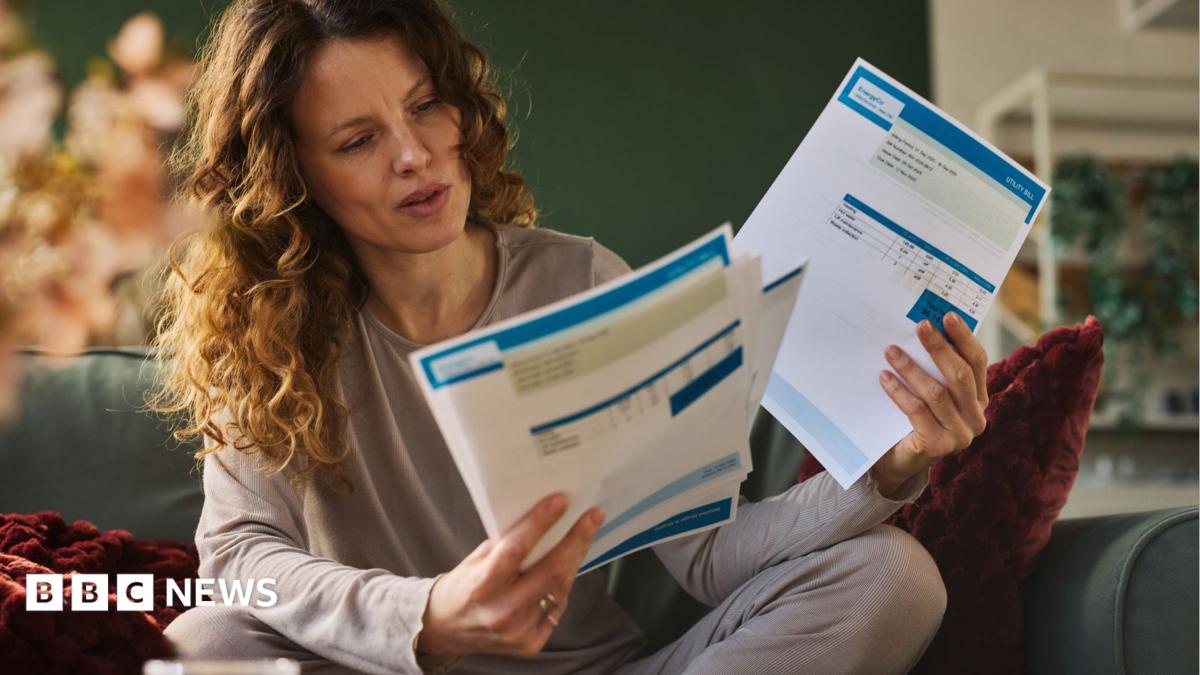
If the forecast proves correct, a household using a typical amount of gas and electricity and paying by direct debit would see its bill rise by about £37 a month from January to the end of March. Sustained for a full year, the typical annual bill would increase by £443 to £2,166 compared with the current cap.
Because individual usage varies, the forecast suggests that for every £100 spent on energy now, the new cost would be about £126.
About 20 million households in England, Scotland and Wales are on variable tariffs linked to the price cap. Those on fixed tariffs will not be affected immediately, but may face higher costs when their current tariff expires and is replaced.
Why prices are rising
Wholesale gas prices are the main driver of the forecast increase. The war in Iran has pushed up international gas prices, and with storage levels relatively low ahead of winter, suppliers had to buy ahead at much higher prices.
According to the suppliers’ trade body Energy UK, the average price of gas is 166% higher than late last year, before the Iran war began.
Nesta’s Andrew Sissons said higher bills could reduce household spending on other goods and services, with knock-on effects across the wider economy. Predictions suggest domestic energy prices could remain high throughout next year, partly because network costs for running and upgrading the electricity system are expected to stay high even if wholesale gas prices fall.
Debt and government support
Centrica chief executive Chris O’Shea, whose company owns British Gas, told the BBC he was “hugely concerned” about the January rise. He described a “massive problem” with people not paying their bills, with some unable to pay and a growing number choosing not to.
Energy UK estimates that £67 of the average annual energy bill covers the cost of this debt, and total energy debt is likely to rise towards £7bn by the end of the year.
The government will make a £100 payment to millions of households to help with winter costs, and has temporarily cut VAT on electricity bills from 5% until the end of June next year, which is expected to save the typical household about £45 a year. The £100 payment will be made automatically to homes in council tax bands A to D in England, with equivalent payments in Scotland and Wales.
The warm home discount will also take £150 off bills for six million households on benefits this winter, and there have been calls for this support to be extended.
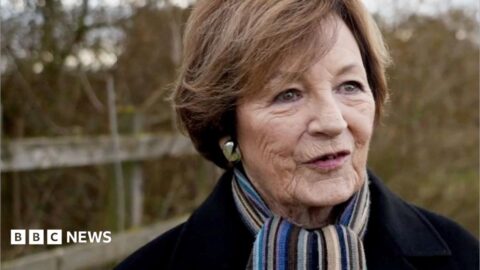
Citizens Advice chief executive Dame Clare Moriarty said: “We are staring down the barrel of a brutal winter.” Citizens Advice warned that people on prepayment meters, who often top up most during the coldest months, could see the £100 payment disappear quickly, and said it was bracing for more people seeking emergency help this winter.