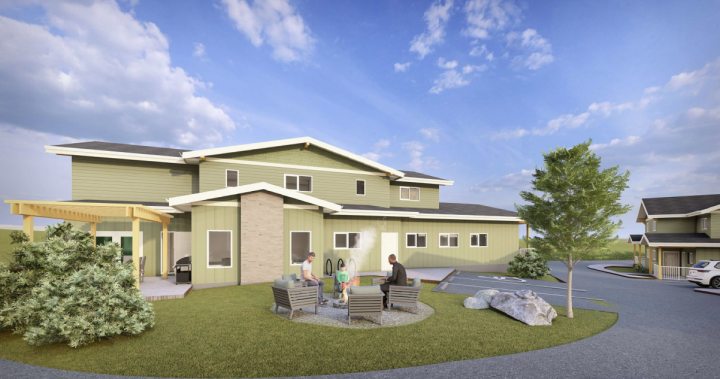
Kelowna foster care village, Digimart Global (Kelowna, British Columbia): A $15-million project in Kelowna is aiming to create a purpose-built community for foster families, as the B.C. Federation of Foster Parents says high housing costs and a shrinking number of foster homes are making it increasingly difficult to place children in care.
The Hall Family Foundation is proposing the development of 10 five-bedroom homes, along with a roughly 5,000-square-foot support hub. The project is designed to accommodate up to 40 foster children at a time, plus foster parents and support staff.
The proposed site is at Glenmore in Kelowna on privately owned land, and the foundation says no taxpayer money is expected to be used for construction.
A shrinking pool of caregivers
Marcy Perron, president of the B.C. Federation of Foster Parents, says the province is facing a growing need for caregivers.
She said B.C. is down to approximately 2,000 foster homes, a figure she described as very low, and noted that when she started her career the number was close to 5,000 care homes.
Perron said the cost of housing is one of the barriers preventing people from becoming foster parents, adding that housing costs of $2,000 to $2,500 for a two-bedroom rental allow for only one child. She also said an aging caregiver population is contributing to the shortage, with many long-time foster parents approaching retirement and the province needing to recruit younger caregivers.
Stability for children in care
Ed Hall, a board member of the Hall Family Foundation, said children in care can face frequent moves between foster homes. He said that in an ideal world, a child could move into the village and live there for their entire juvenile life and establish friends.
The foundation also hopes larger homes will make it easier to keep siblings together, while the support hub would provide services such as counselling and resources for foster families.
Hall said the concept is relatively uncommon, noting a similar model exists in California, but dedicated foster communities like the one proposed are rare in Canada. Perron said stability can be critical for children who have experienced trauma.
Next steps and timeline
The land has not yet been secured, and the project still requires rezoning and other approvals. The foundation hopes construction can begin in 2027, with families moving in by 2028.