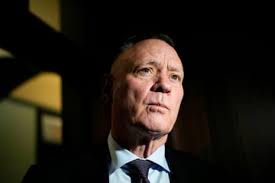
Canada defence spending, Digimart Global: Canada’s defence minister, David McGuinty, said the country is a “sovereign nation” that does not “report” to the United States after the Pentagon released a memo criticising the state of Canada’s military capabilities. The document, released on Tuesday, said Canada had “yet to make the hard decisions and tradeoffs” needed to meet previous defence spending pledges.
The Pentagon memo said it took Canada nearly two decades to reach spending promises first made in 2006, despite its status as a major G7 economy and one of the wealthiest NATO members. It also described Canada’s defence capabilities as “atrophied” and said political leaders had pursued “parochial economic and commercial interests over military optimization”.
The memo further suggested that American taxpayers had been “footing the bill for its defense” for decades.
McGuinty told reporters he could not “divine” the reasoning behind the Pentagon’s decision to criticise Canada’s spending now. He said cooperation through NORAD, NATO, military-to-military ties and work on integrated air missile defence had not changed.
When asked whether the memo implied Canada needed US approval for its spending plans, he rejected that idea directly.
The criticism came as Canadian official Isabelle Hudon travelled to Europe to pitch the Defence, Security and Resilience Bank, an initiative championed by Prime Minister Mark Carney that would lend to governments and contractors at low cost for defence projects. According to the report, ten countries have pledged support, but no other G7 members have yet joined, and the UK and Germany have so far declined.
Hudon said the €4bn in commitments secured so far is enough to start the bank, though she is aiming for up to €100bn.
Carney’s government has significantly increased defence commitments. Canada spent $63.4bn on national defence in 2025, meeting its NATO pledge of 2% of gross domestic product for the first time.
NATO members have since agreed to raise the goal to 5% of GDP by 2035. Canada’s federal budget this month set out a plan to spend about 4% of GDP on defence and security annually by the end of the decade, and 5% by 2035, including submarines and early warning aircraft.
Air power remains a point of friction. The government has not yet made a final decision on its order of F-35 jets from Lockheed Martin and is weighing Swedish-made Gripen aircraft instead, a purchase that has been under political review for more than a year.
The Pentagon memo warned that operating a “mixed fleet” of aircraft would “compound existing personnel shortfalls”.