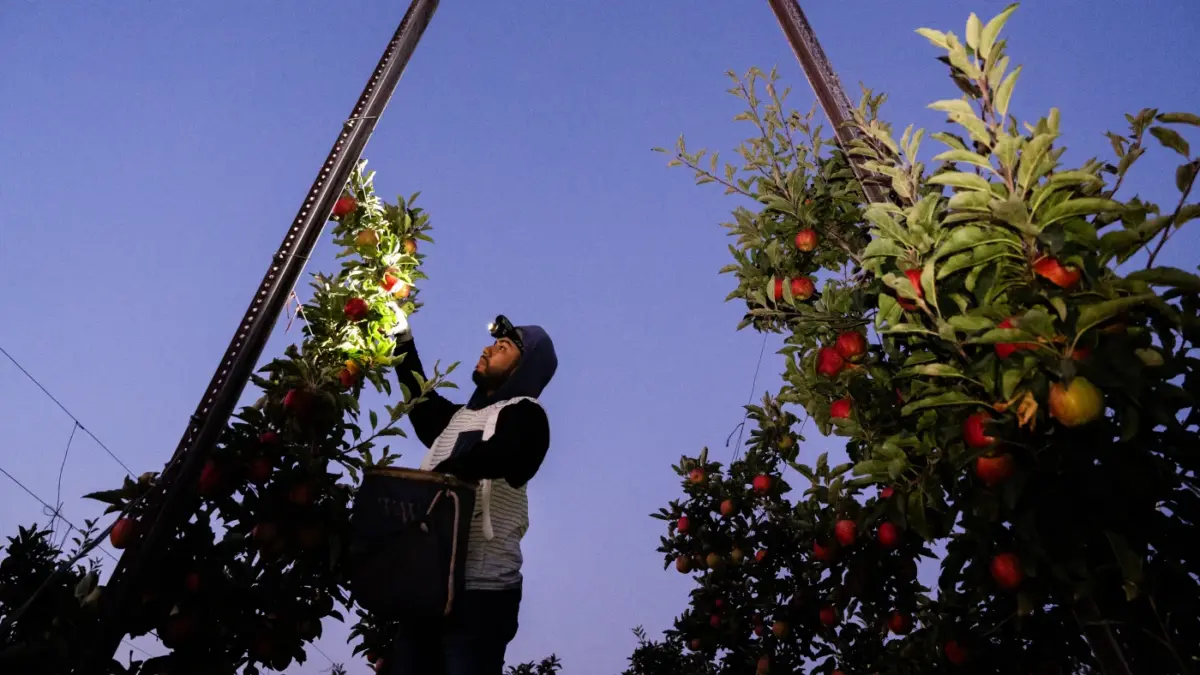
Apple farmers costs, Digimart Global (Wapato, Washington): Apple growers in Washington state are facing mounting financial pressure as labor, fuel, fertilizer and equipment costs rise. Washington’s $9 billion industry grows nearly 70% of the nation’s fresh apples, according to Jon DeVaney, president of the Washington State Tree Fruit Association.
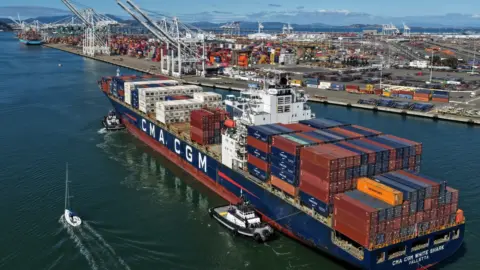
Industry leaders say weak exports caused by international tariffs and a strong dollar, which reduces foreign purchasing power, have added to the strain. DeVaney estimated that thousands of acres of apple orchards across the Northwest are being rapidly torn out or are no longer actively cared for because many farmers are not making money growing the fruit.
Many farms have gone deep into debt after several years of similar economic conditions, and some large, well-established operations have filed for bankruptcy. Over recent seasons, an estimated thousands of acres have been only partially picked or not picked at all, according to Kate Tynan, senior vice president of the Northwest Horticultural Council.
Labor rules and federal support
Recent federal regulatory changes would effectively lower wages for some immigrant workers and take housing costs out of their paychecks, Tynan said. Farm owners hope updated wage calculations will help them break even, but the farm workers union has pushed back, and an upcoming federal judicial decision could put operators on the hook for backpay for the 2026 season.
The Trump administration announced $12 billion in payments to farmers at the end of 2025, primarily targeting growers of crops such as soybeans and corn. Tynan said much of that relief has not reached farmers who grow specialty crops like fruit and vegetables.
A shrinking number of farms
A USDA census conducted every five years recorded a 15% drop in Washington tree fruit farms between 2017 and 2022. In neighboring Oregon, more than a quarter of apple, pear and cherry farms were lost in the same period. Apple acreage in Washington rose slightly during that span, partly due to new private equity investment, though that acreage trend has since reversed, DeVaney said.
Small family-run farms also face competition from large, well-funded corporations buying out orchard owners, a shift that reduces competition when profits are already tight. Sean Gilbert, co-owner of Gilbert Orchards, a family-run company founded in 1898 that manages 4,000 acres of fruit in Washington, said 2023, 2024 and 2025 have been especially hard years.