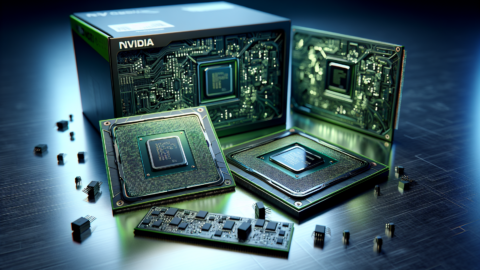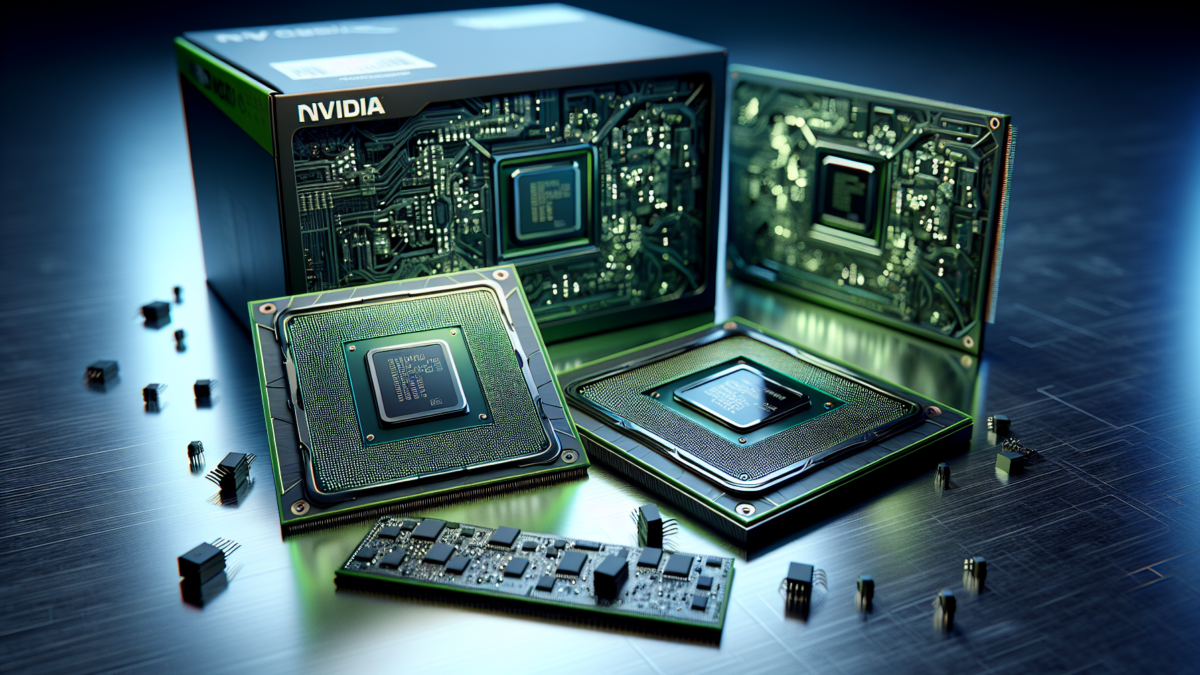
Nvidia AI chip competition, Digimart Global: For years, Nvidia held a dominant position in graphics processing units, and during the recent boom in artificial intelligence the company earned substantial profits as its technology was used to train and run some of the world’s most advanced AI models. Some companies are now looking for alternatives, raising questions about how this shift could affect Nvidia’s dominance.
According to a publisher report, Nvidia controls roughly 80 percent of the AI chip market, and its CUDA software ecosystem has made it difficult for developers to move workloads to other hardware. The report says its high-end accelerators sell for about $30,000 per chip, with margins reaching around 75 percent, giving the company significant pricing power.
The report argues that this pricing creates pressure for large AI developers and cloud providers. Companies including OpenAI, Anthropic, Google, Amazon, Meta and Microsoft need large amounts of computing power to train and run their models, so even small reductions in chip cost, power use or rental pricing could translate into billions of dollars in savings.
This has encouraged firms to consider chips designed for specialised workloads.
Amazon is one company pursuing this approach. According to the report, Amazon Trainium accelerators can handle AI training and inference workloads on Amazon Web Services cloud infrastructure.
Anthropic has reached an agreement to use AWS hardware, including Amazon’s custom chips, as part of an arrangement concerning five gigawatts of computing capacity. The companies say the partnership aims to improve the efficiency of Claude’s training and operation.
Microsoft has also developed its own chip, Maia 200, which the report says is already running workloads, including Microsoft Copilot. Microsoft plans to use Maia as a core inference engine for its products and services, and expects Maia 300 deployments to begin in 2027. The company claims Maia 300 can deliver four times more tokens per megawatt than leading GPU-based platforms.
The report concludes that Nvidia’s customers are becoming its main rivals. If custom chips can deliver lower costs and reliable service, Nvidia’s share of AI spending could shrink even as the overall market grows.
However, the report notes that if Nvidia continues to lead in training performance and software, it can remain essential, though less dominant.