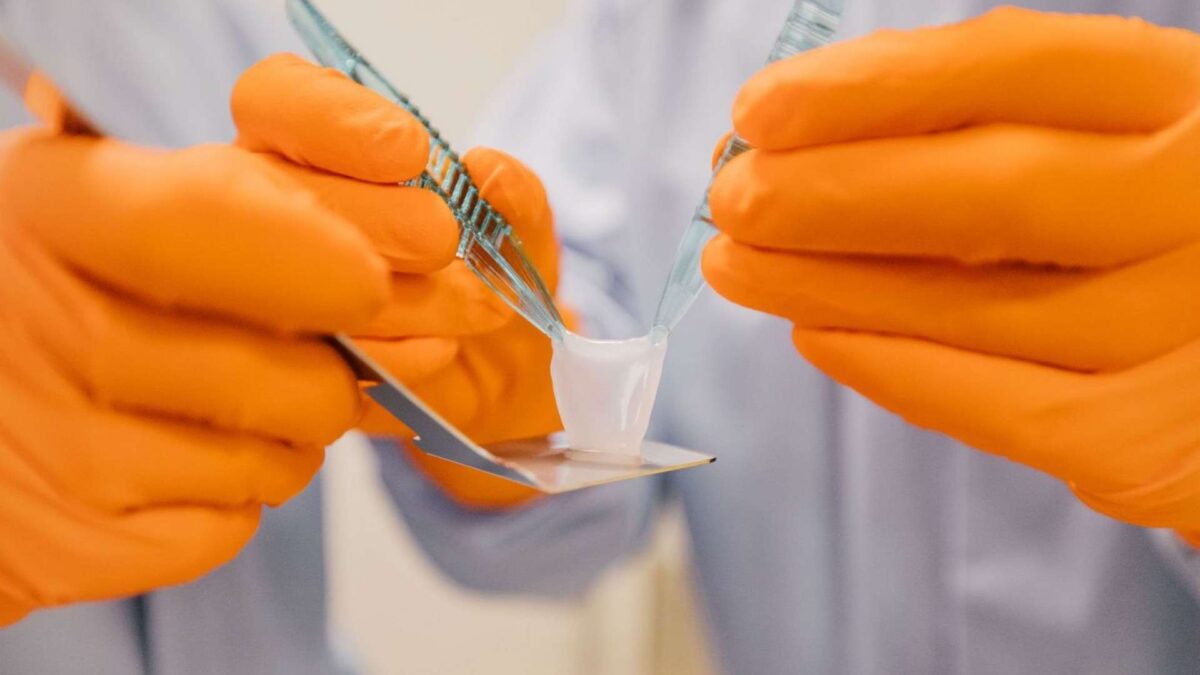
Artificial living skin, Digimart Global: French wound-care group Urgo announced on November 20 that it has created a living artificial skin in the laboratory, designed to be grafted onto patients. The company describes the achievement as a world first after five years of research with partners under a project called Genesis.
Treating severe wounds often relies on taking healthy skin from the patient’s own body. For people with extensive burns, repeated procedures, severe pain, infection risk and long hospital stays can add a heavy physical and psychological burden, and when burns cover a large part of the body, the available healthy skin may not be enough.
According to the announcement, the new skin is made of living cells strong enough to be manipulated by a surgeon. It can also be frozen, stored and thawed while keeping its living, functional cells.
The aim is to make it available immediately in the operating theatre without taking healthy skin from the patient.
Urgo says the product would first target people with major burns, for whom self-grafting is sometimes difficult. Urgo chairman Guirec Le Lous described the effort as an ambitious challenge and said the goal is lighter treatment and faster healing for patients with severe wounds.
The announcement marks the end of the research phase and moves the project into development. Urgo plans a first clinical trial from 2030 at pharmaceutical facilities of the Établissement français du sang.
If clinical trials confirm safety and efficacy, the company aims for large-scale production and commercialisation by around 2040. The company says many clinical and regulatory hurdles remain.
The work involves Lyon 1 University, the CNRS, the CECS, the I-Stem laboratory, the Établissement français du sang and Dassault Systèmes, according to the publisher’s report. The information comes from a single publisher article and has not been independently verified.