wildfire home insurance costs, Digimart Global (Northern California, United States): Homeowners in wildfire-prone areas are facing rising difficulty finding affordable and reliable home insurance, according to a recent NPR Planet Money piece by a California homeowner in rural Northern California. The author says the most valuable asset many families own could be lost to fire without coverage.
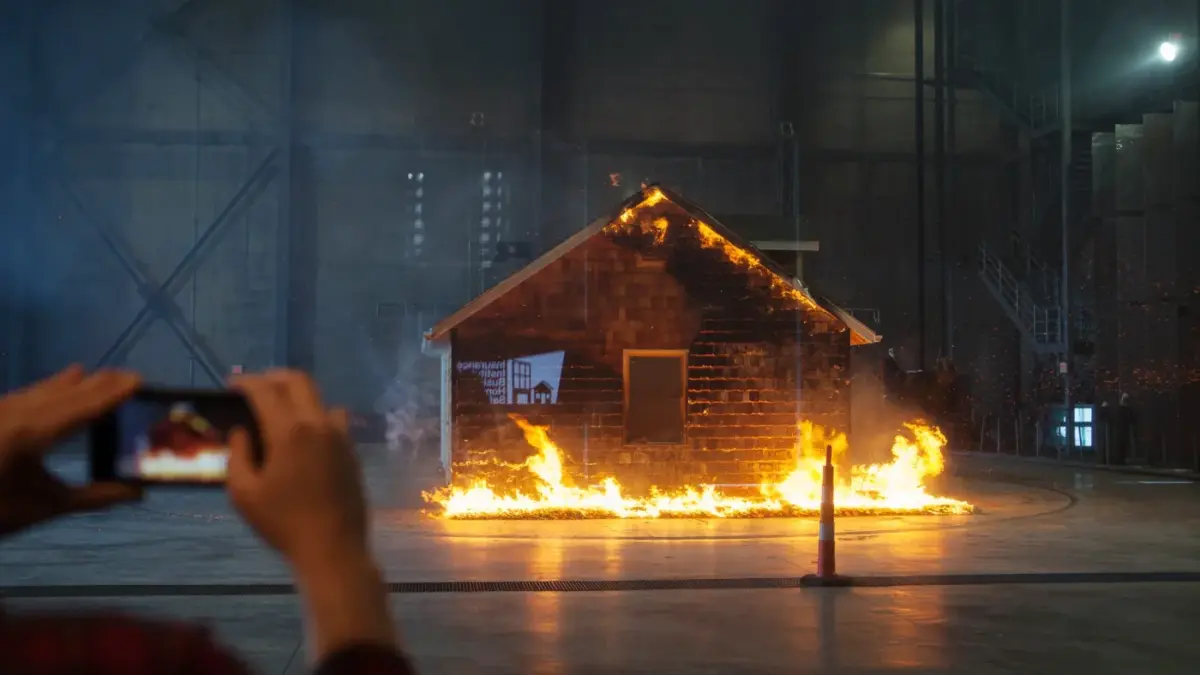
Insurers are funding research to understand which home designs can better withstand fire, hail and hurricane-force winds. NPR reports that researchers at a destruction lab in South Carolina, paid for by some of the world’s largest insurance companies, light mock houses on fire and expose them to extreme weather to test building designs that could limit damage and reduce payouts.
Insurers have run similar experiments for more than a century. The article notes that Underwriters Laboratories tested electrical wiring and appliances in the early 20th century, and that the Insurance Institute for Highway Safety uses crash tests to push for safer cars.
The article raises a concern known as moral hazard: when insurance covers losses, homeowners may have less incentive to make costly upgrades such as metal roofs or ember-resistant vents. Discounts for hardened homes could encourage upgrades, but NPR reports that discounts offered in Paradise, California, have been small, and residents there told the reporter the savings were tiny.
The piece also describes how insurers have declined to renew policies in fire-prone parts of California, pushing some homeowners into the state’s insurer of last resort, the FAIR Plan. The author cites UC Berkeley economist Nancy Wallace, who said Proposition 103, passed in 1988, required state approval for rate increases and required insurers to use historical wildfire losses rather than forward-looking catastrophe models, which she argued kept premiums artificially low.
According to NPR, California adopted rules in late 2024 allowing insurers to use models that look ahead to future wildfire losses in exchange for writing more policies in high-risk areas. The author says this may make coverage easier to find, while noting that UC San Diego economist Judson Boomhower expects higher prices to be a sign the market has healed.
The author’s family has moved from the FAIR Plan to a policy in the non-admitted market, which offers better coverage but may lack the state-mandated backstop if the insurer fails. This report is based on a single publisher article and has not been independently verified.