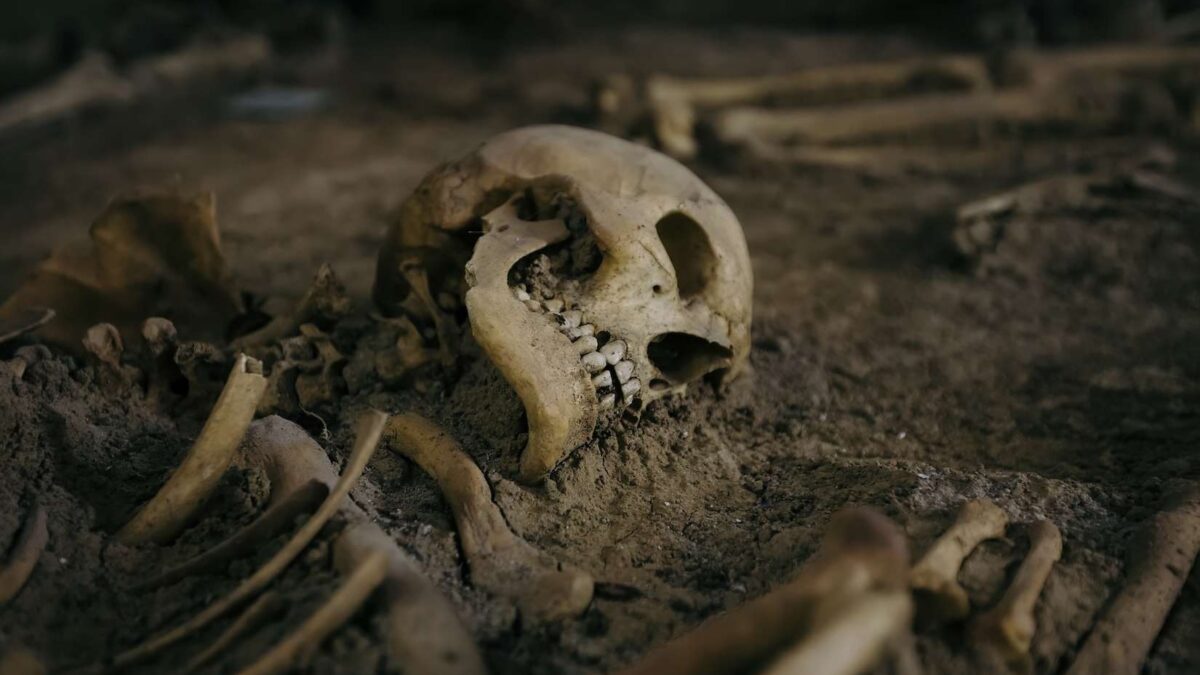
medieval skeletons radiocarbon dating, Digimart Global (Denmark): Skeletons from medieval monastic sites in Denmark have produced radiocarbon dates that do not match the history of the places where they were buried. According to a publisher report, Futura Sciences, a Danish-Dutch research team re-examined the bones of 27 individuals buried in medieval monastic institutions in the country.
For six of them, the dates were found to be incompatible with the history of their sites, notably at Viborg and the Øm monastery. One case involved a skeleton at the former Franciscan monastery in Svendborg, labelled III9B, which had been dated by carbon-14 to between 1100 and 1155, although the monastery was not founded until 1236.
A freshwater fish effect
In a study published in npj Heritage Science, the researchers point to a phenomenon known as the freshwater reservoir effect. Fish living in lakes and rivers can absorb ancient carbon that is poor in carbon-14. When people eat these fish, part of that carbon ends up in human bones, which can make the skeletons appear artificially old when they are dated centuries later.
According to the researchers, the offset can range from zero to about a thousand years. Marine fish produce a similar but generally more predictable effect; in the North Sea, the offset approaches 400 years for an organism that draws all its carbon from marine food.
Implications for archaeological dating
The authors say freshwater variability makes corrections difficult. They recommend taking diet into account before interpreting radiocarbon dates, to avoid wrongly rewriting the chronology of some European burials.