vitamin K refusal, Digimart Global: Parents who decline the vitamin K injection for their newborns are leaving some babies vulnerable to vitamin K deficiency bleeding, a rare condition that can cause severe bleeding and, in the most serious cases, death. According to a report published by NPR and produced in partnership with KFF Health News, the problem has grown more common in recent years as some parents, influenced by the anti-vaccine movement and wider mistrust of the medical system, refuse the shot.
The injection is given to most newborns within six hours of birth. Babies are born with very low levels of vitamin K, and the shot has been a routine part of newborn care since the 1960s.
The Centers for Disease Control and Prevention describes the shot as safe, with virtually no severe side effects, and says it effectively prevents vitamin K deficiency bleeding. According to the CDC, fewer than 1 in 100,000 babies who receive the shot develop the most serious form of bleeding, while babies who do not receive it are 81 times more likely to develop the condition, and 1 in 5 of those affected die.
Research published in JAMA in November found that the national rate of newborns not receiving intramuscular vitamin K more than doubled, from 3.1% in 2017 to 6.8% in 2025. The report describes cases in several U.S. hospitals in which infants developed life-threatening bleeding, with some dying or left with lifelong brain injuries.
One Los Angeles emergency physician described treating an infant with the condition who died.
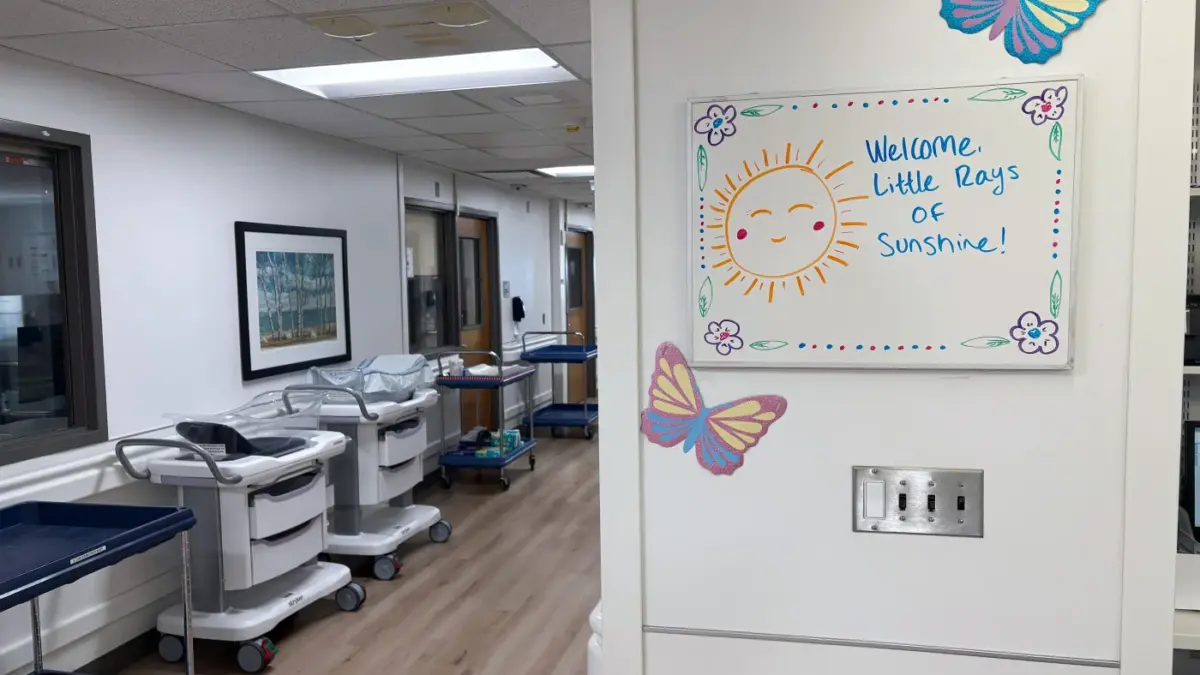
At Corewell Health’s Butterworth Hospital in Grand Rapids, Michigan, at least one family refuses the injection for a newborn each day, on average. Physician Torrie LeBlanc described a case in which a baby began bleeding roughly 36 hours after birth after her parents had declined the shot.
The parents agreed to treatment, and the baby survived, according to LeBlanc and an attending physician, who said the infant would likely have died had she been at home.
Over the past two years, the hospital has tried to reduce refusals through staff training, a standard script for offering newborn medications, a parent fact sheet and a motivational interviewing approach that emphasises listening to parents. LeBlanc said she gets about 50% of parents who initially refuse to change their minds, while other doctors at the hospital put their success rates at about 20% to 40%.
Refusals are now recorded in electronic medical records so that pediatricians and emergency staff can see them.
The report also notes that some clinicians have discussed oral vitamin K as an alternative for families who will not accept the injection. Researchers cited in the report say oral vitamin K is not as effective as the shot and requires multiple doses over several weeks or months, and there is no federally approved oral vitamin K supplement in the United States.
LeBlanc said she would rather see some protection than none, while calling the injection the gold standard.