Vitamin K injection refusals, Digimart Global (United States): Parents who decline the routine vitamin K injection for their newborns are contributing to a rise in a rare but dangerous condition, according to doctors interviewed by NPR and KFF Health News. The vitamin K injection is given to most newborns within six hours of birth to prevent vitamin K deficiency bleeding, which can involve bleeding in the brain.
Research published in JAMA in November found that the share of newborns not receiving intramuscular vitamin K rose from 3.1% in 2017 to 6.8% in 2025. Doctors told the publisher that they now regularly see babies with life-threatening bleeding from vitamin K deficiency, and some have died or been left with lifelong brain injuries.
According to the U.S. Centers for Disease Control and Prevention, the shot is safe, with virtually no severe side effects, and it effectively prevents the condition.
Among babies who receive the shot at birth, fewer than 1 in 100,000 develop the most serious form of bleeding, while babies who do not receive it are 81 times more likely to develop the condition, and 1 in 5 of those affected die.
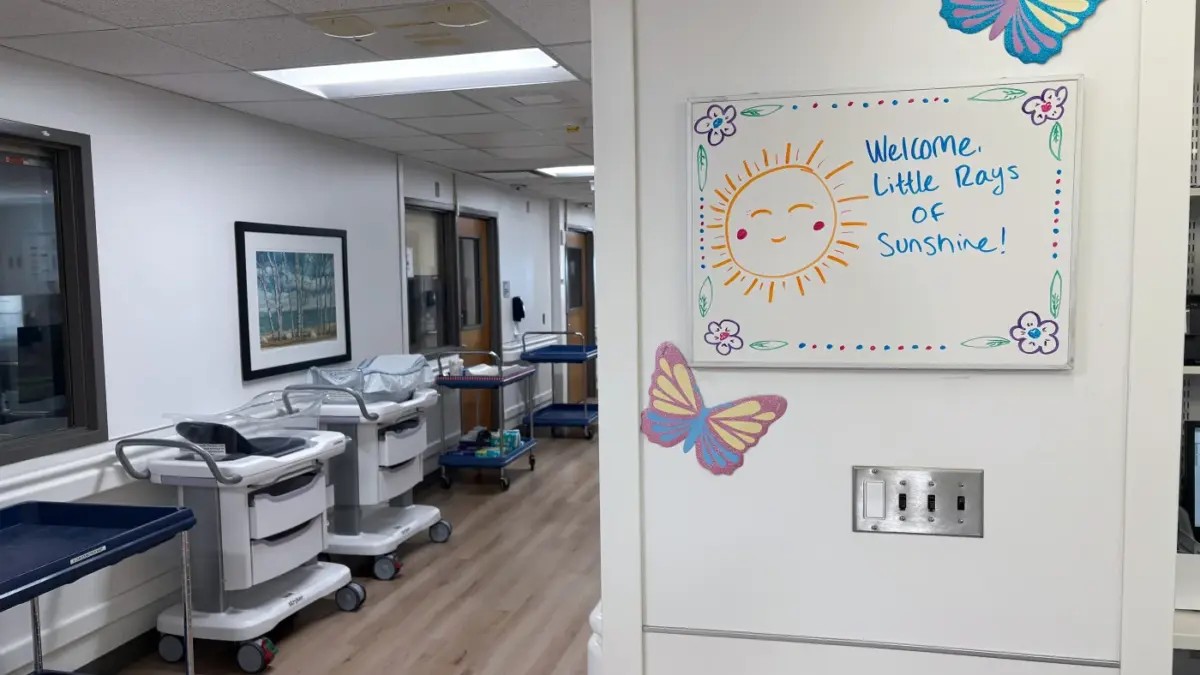
The article describes a case at Corewell Health’s Butterworth Hospital in Grand Rapids, Michigan, where a newborn whose parents had declined the shot began bleeding roughly 36 hours after birth. After the parents agreed to the injection, the baby survived, largely because treatment was given quickly, according to the physicians quoted in the report.
Hospital staff are responding with new approaches. A pediatrician at the hospital led a two-year initiative in which refusals are now flat at that facility, even as refusals of other newborn medications, including the hepatitis B vaccine, continue to rise.
Staff have been trained in motivational interviewing, and nurses use a standard script when offering routine newborn medications.
Doctors quoted in the report say the persuasion effort is difficult. One physician said the hospital’s success rate in changing a refusing parent’s mind is about 50%, while other doctors at the hospital put it at roughly 20% to 40%.
Some physicians have also argued that parents who refuse the injection could be offered oral vitamin K, though the report notes that oral dosing is less effective, requires multiple doses over several weeks or months, and there is no federally approved oral vitamin K supplement.
The report also notes that Health and Human Services Secretary Robert F. Kennedy Jr., asked at a congressional hearing in April to assure parents that the vitamin K injection was safe, said, “I’ve never said anything about vitamin K.” The article also describes online claims linking the shot to childhood cancer, which the report presents as misinformation circulating among some influencers and parenting forums.