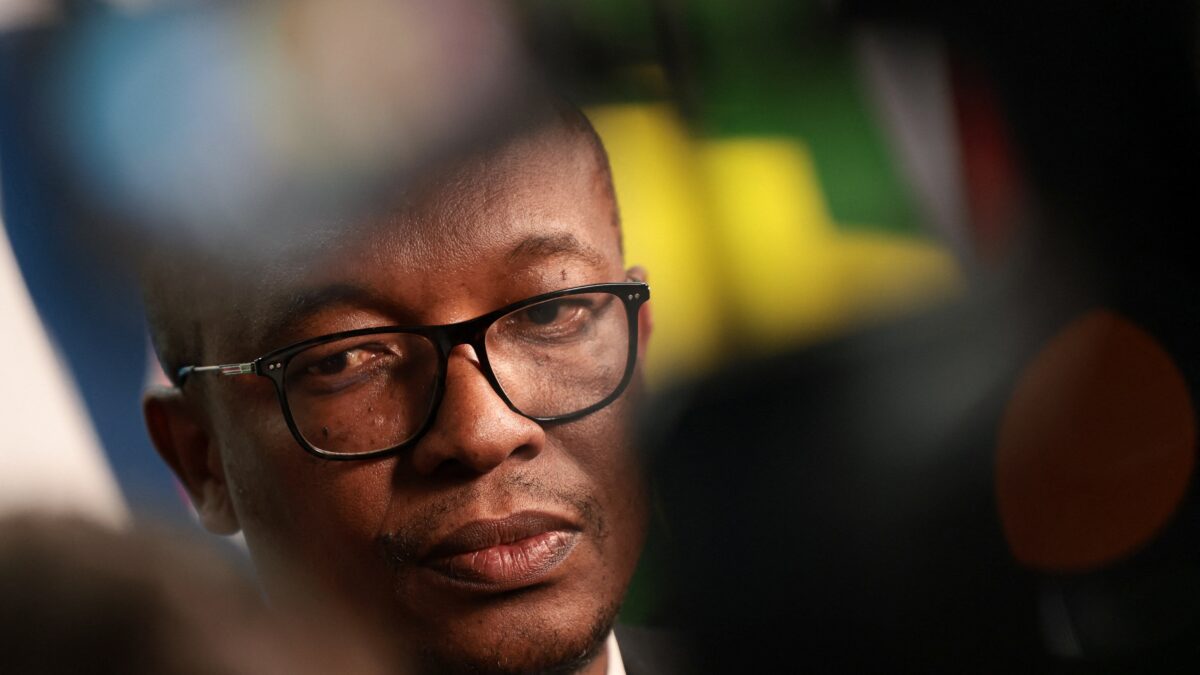
B-BBEE policy review, Digimart Global: Trade, Industry and Competition Minister Parks Tau has said South Africa will not trade broad-based black economic empowerment (B-BBEE) for tariff relief from the United States. Speaking at the Broad-based BEE Practice and Policy Conference, Tau said transformation policy was under attack from several directions at once, both abroad and at home.
Tau said the US issued an executive order against South Africa in February 2025 that cited the country’s empowerment requirements among its grievances. He said Washington set out a list of demands in March this year, including an end to what it calls the mandatory surrender of ownership or control as a cost of doing business.
Domestic legal and political pressure
Tau also pointed to domestic pressure on the policy. He said employment equity targets had been challenged in the high court, the Supreme Court of Appeal and the Constitutional Court, with each attempt to stop them failing, and that six constitutional challenges remain before the courts.
The Democratic Alliance has moved to draft a bill seeking to repeal the policy, arguing that B-BBEE benefits politically connected people and excludes most South Africans it is meant to help.
US Ambassador to South Africa Leo Brent Bozell III, in a September 2026 interview with Business Day, warned of selective US visa restrictions targeting individuals deemed to enable race-based discrimination or land confiscation as an initial measure, according to the report.
Evidence on effectiveness and the review
A study commissioned by the UK’s development finance institution, British International Investment, and its Swedish counterpart, Swedfund, and published last month found that black-owned and led businesses are concentrated in the small business segment, with most failing to graduate into larger companies. The report said this failure is more pronounced in South Africa than in Nigeria, Kenya, Ivory Coast and Senegal, and attributed it partly to the enduring legacy of apartheid on business ownership and access to capital.
The study also reported a funding gap of $45bn for black-owned and led businesses.
President Cyril Ramaphosa said last year that the dtic would review B-BBEE measures. Tau said the review would not lead to the policy being scrapped, and argued that a policy that delivers results can defend itself.
He said the government is moving from compliance to outcomes, and from certificates to productive assets, manufacturing, supply and exports.