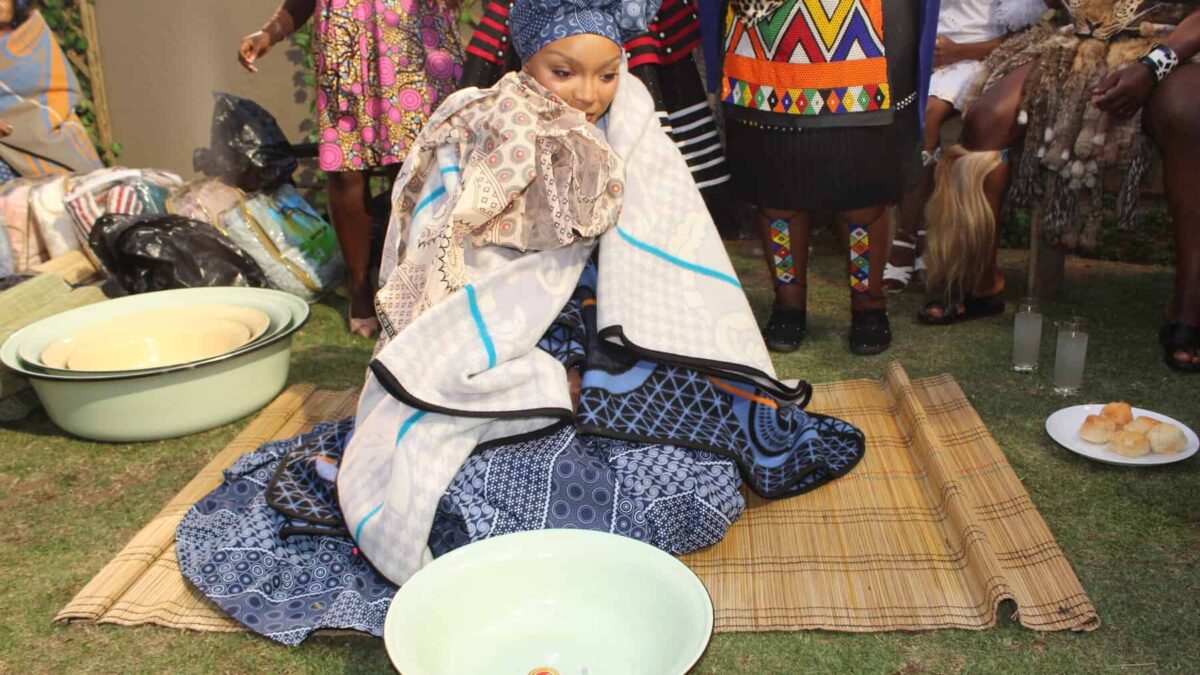
Kwa Baba mahlabiso ceremony, Digimart Global (South Africa): Zwelakhe and Bahumi’s long-awaited mahlabiso ceremony on the Mzansi Magic telenovela Kwa Baba gave viewers a romantic payoff, but it has also prompted a conversation about how South African telenovelas portray and blend the country’s cultural traditions.
In Friday night’s episode, Zwelakhe (Vuyo Biyela) and Bahumi (Rorisang Mohapi-Grootboom) celebrated their love with the traditional ceremony, marking a key step towards marriage after a storyline marked by family opposition, interference from an ex and repeated obstacles. According to The Citizen, the episode also included a crossover with characters from Inimba and Nyalo O…, which added extra excitement and a teaser about a possible future wedding appearance.
Viewers praised the ceremony as a joyous milestone filled with emotion, music, laughter and displays of family love. The Motaung and Mkhize families came together for the union, while Dumisani and Zandile stayed away, remaining at home in disappointment.
Debate over cultural accuracy
The portrayal has drawn attention to the cultures at play on screen. The Mkhize family carries a Zulu surname and traditional associations, while the Motaungs have a name and background linked to Sotho and Pedi heritage.
Kwa Baba is produced with dialogue in English, Zulu and Pedi, reflecting an intentionally multicultural setting in Msawawa, Diepkloof Extension.
Mahlabiso is a custom particularly associated with Sesotho and Sepedi communities. It is a post-negotiations or post-wedding welcoming of the bride into her new family, with specific rituals, songs, dances and ancestral acknowledgements that can vary from group to group.
Some viewers and online commentators questioned whether the on-screen ceremony accurately reflected the distinct practices of the two families, arguing that it leaned into a blended, generalised “traditional African” aesthetic common in telenovelas rather than customs linked to a particular culture.
Others praised the episode as a realistic depiction of modern inter-cultural marriages in urban South Africa, where families negotiate and combine customs.
A wider debate on cultural balance
The discussion sits within a longer debate about cultural balance on Mzansi Magic and South African television. Critics have argued for years that Zulu-centred stories and aesthetics often dominate airtime, while Sotho, Pedi, Venda, Swazi and other traditions receive less nuanced screen time.
Producers have framed Kwa Baba from the start as a story about the intersection of modern romance, family obligations and differing cultural expectations.
Kwa Baba airs Monday to Friday at 7:30 pm on Mzansi Magic. Viewers who missed the ceremony can catch up on DStv Catch Up and the DStv Stream app.