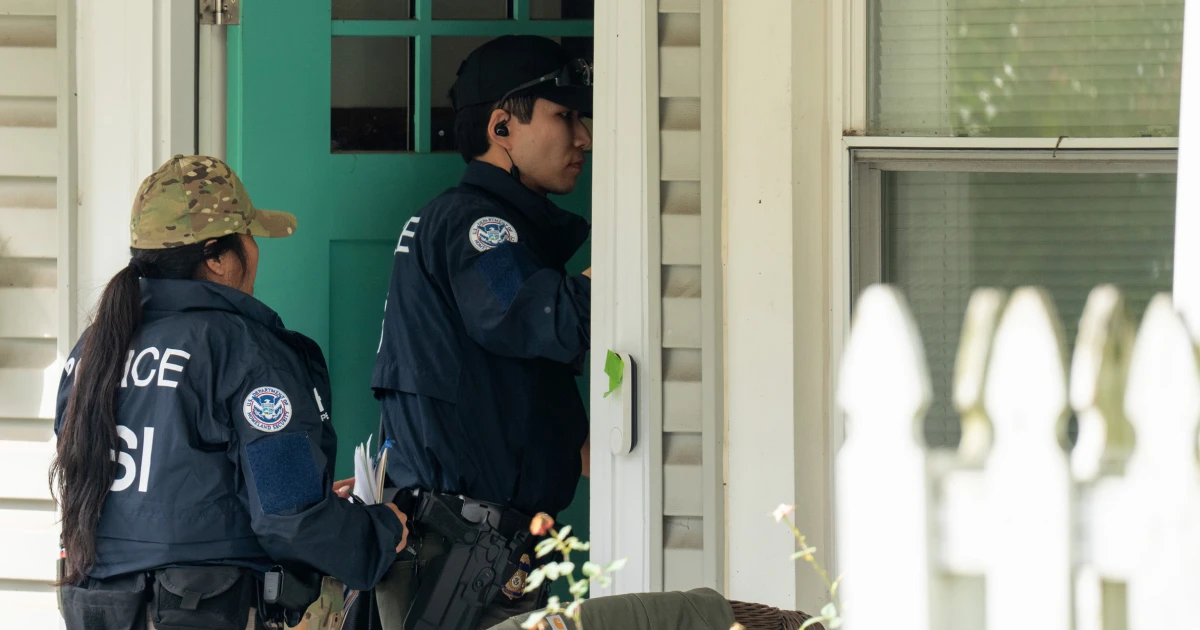
Ilhan Omar home search documents, Digimart Global (Washington, D.C.): A federal judge unsealed more than 160 pages of court documents Monday night related to the warrant that authorized a federal search of Rep. Ilhan Omar’s home in Washington.
Chief U.S. District Judge James E.
Boasberg ruled that some of the records could be released with redactions after a coalition of news publications, including NBCUniversal News Group, sought access to the sealed filings.
The released documents do not include the search warrant itself. Boasberg agreed with the Justice Department on keeping most of the records sealed, but ruled that portions concerning the protection of Omar’s “speech or debate” rights, a constitutional clause that shields lawmakers from criminal and civil liability tied to legislative acts, should be made public.
Judge Pressed for Probable Cause Details
According to the unsealed material, Magistrate Judge Matthew Sharbaugh repeatedly asked the Justice Department for briefings explaining its theory of probable cause, and the department said the process included “several rounds” of affidavit revisions. Sharbaugh ultimately found that the speech or debate clause was at least partly relevant because the search targeted Omar’s home, and “special search procedures” were carried out there, the documents show.
About half of the pages are mostly or entirely redacted.
Scope of Property Sought
The list of property the government planned to seize is largely redacted, and the list of items actually taken is entirely redacted. Unredacted passages indicate the government sought records tied to alleged violations of law, along with papers, electronic storage devices, cellphones and any digital device owned or used by Omar that could have contained evidence.
Omar previously said federal agents took 17 items from her home, including old phones that she said belonged to her and one of her daughters.
Time Frame and Government Position
The filings indicate the government believed the alleged violations spanned from 1980 to the present. Omar’s congressional biography says she was born in October 1982. In one filing, Associate Deputy Attorney General Alessandra Serano wrote that the United States believes Omar has committed redacted crimes “over decades,” and that nothing in the warrant affidavit, briefing or oral argument indicates the case relates to her professional life.
Response and Background
Omar’s office did not immediately respond to a request for comment on the released documents. The search of her home took place in October, within weeks of the midterm elections.
The Justice Department has not publicly disclosed the charges, and people familiar with the investigation previously told NBC News that they revolve around potential immigration-related crimes. Omar, a naturalized citizen who immigrated to the U.S.
from Somalia as a child, has called the search “an attempt to target political enemies and weaponize federal law enforcement.” The president has denied any involvement in the search.