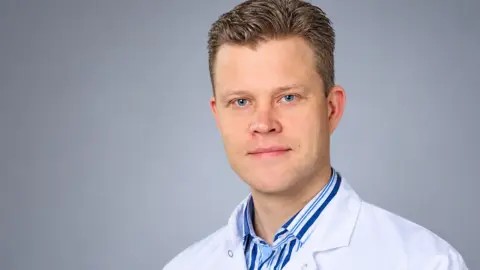
Robert Macfarlane climate, Digimart Global: Nature writer Robert Macfarlane has said the public is “misplacing our trust” in the Cop climate summits and their capacity to deliver consequential change. His comments were recorded before the 31st UN climate summit failed to reach an agreement on action to combat global heating.
Speaking in the debate following his first 2026 Reith lecture, due to be broadcast on BBC Radio 4 on 24 November, Macfarlane said he found much more hope in emerging alliances. He pointed to the Santa Marta process, a smaller group of countries committed to phasing out fossil fuels as soon as possible, and urged support for collective approaches away from institutions he described as ossified and having failed to deliver.
Calls for reform after failed talks
Diplomats, scientists and activists, including Al Gore, have called for reform of the Cop requirement for consensus following the failure of this year’s talks. Macfarlane, a professor of literature and environmental humanities at the University of Cambridge, has written books including Underland and Is a River Alive?.
A crisis of imagination
In his lecture, Macfarlane argued that the climate and extinction crises are rooted in a “human superiority complex” in western thinking, which he said has supported centuries of planetary abuse. He described a “default planetary operating system” dating back to Aristotle that treats humans as separate from and superior to nature.
He said governments treat datacentres as critical national infrastructure but do not recognise river systems and pollinator populations in the same way.
Macfarlane also criticised what he called “planet B thinking”, including plans to establish a human colony on Mars, describing it as the ultimate act of consumption and disposal.
Hope through collective action
Macfarlane said his four lectures would set out an alternative view in which humans are nodes in a web of life rather than figures standing atop a hierarchy. He said that despair was a luxury and that hope required real work, encouraging people to join local groups such as river guardianship schemes.
He also suggested that British schools be partnered with farms and tree-planting projects.
Asked about non-violent direct action, Macfarlane said the problem lay in the legislative environment around peaceful protest, particularly over the last three to five years, which he said had led to the arrest and imprisonment of people for peaceful environmental protest in Britain.