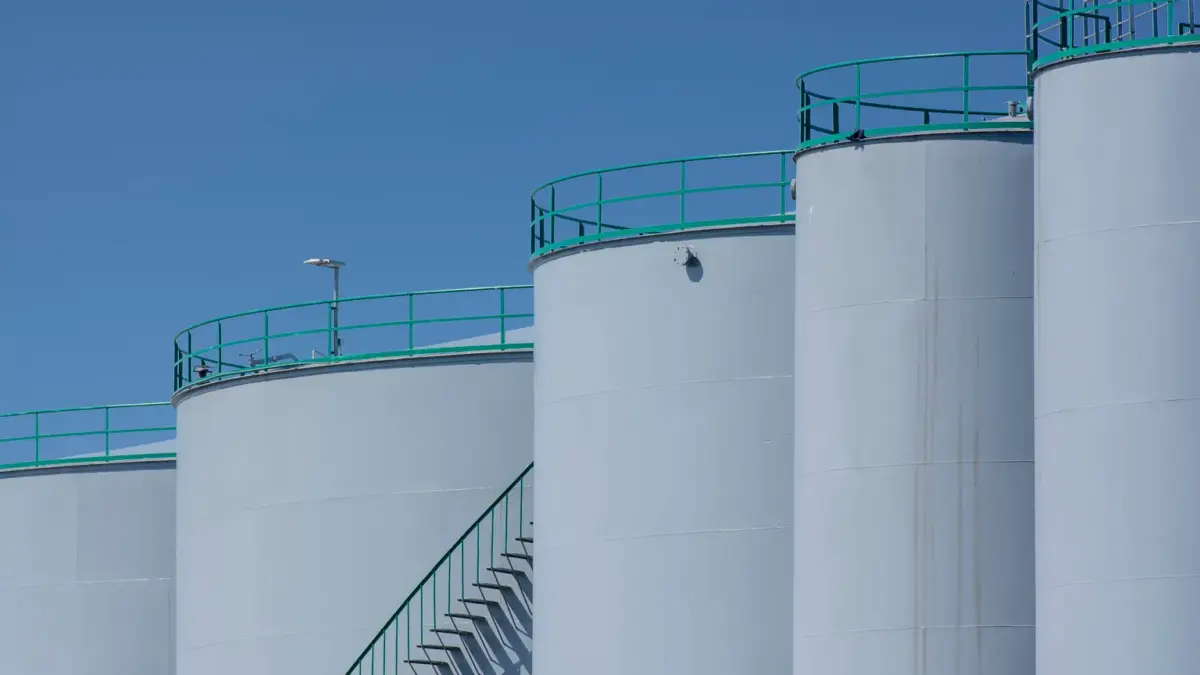
Europe gas storage shortfall ahead of winter 2026, Digi Mart USA News: The International Energy Agency has published an assessment warning that Europe is entering winter with its gas reservoirs only 75% full, the lowest level since 2013. European storage stood at 75% at the end of October 2026, well below the 80% regulatory target set by Brussels.
According to France Info, levels this low have not been seen at this point in the year since 2013. The total volume injected during the 2026 filling season remains about 4% below the average of the past five years.
The source argues that the infrastructure exists and LNG terminals are operating, but says planning has fallen short.
The source reports that since the 2022 crisis, successive governments have promised energy security and independence, yet dependence on imported liquefied natural gas has grown. It says France has made many announcements on energy transition without clearly choosing between nuclear, renewables and gas.
According to the IEA report published that morning, buyers delayed purchases while betting on falling prices that did not materialize.
The article says France now depends on LNG cargoes from Qatar, the United Arab Emirates and the United States. Le Figaro reported that the IEA pointed to delayed purchases and a lack of anticipation by European importers.
The EU set an 80% filling target but, according to the source, did not establish a binding mechanism to reach it, and member states manage purchases without pooling storage capacity or coordinating supply contracts.
Germany has said its supply remains secure despite storage levels well below regulatory targets, according to the source. The article also cites the closure of the Strait of Hormuz since late February 2026, linked to the conflict between the United States and Iran, which the source says caused a drop of more than 60 billion cubic meters in LNG loadings from Qatar and the United Arab Emirates between March and October 2026.
The IEA warned that if the coming winter is colder than expected, or if technical incidents or other supply disruptions occur, EU countries could be particularly vulnerable. Sud Ouest reported that global LNG supply is expected to decline by 3% in 2026, roughly 20 billion additional cubic meters lost.
The source notes Europe had promoted LNG as a solution after reduced Russian supplies, but says LNG passes through geopolitically unstable areas.
The IEA expects gas market tensions to persist into 2027, according to the article. Yahoo Finance reported that prices jumped 30% in October, and the source warns they could rise further, with energy-intensive companies cutting output and households facing higher bills.