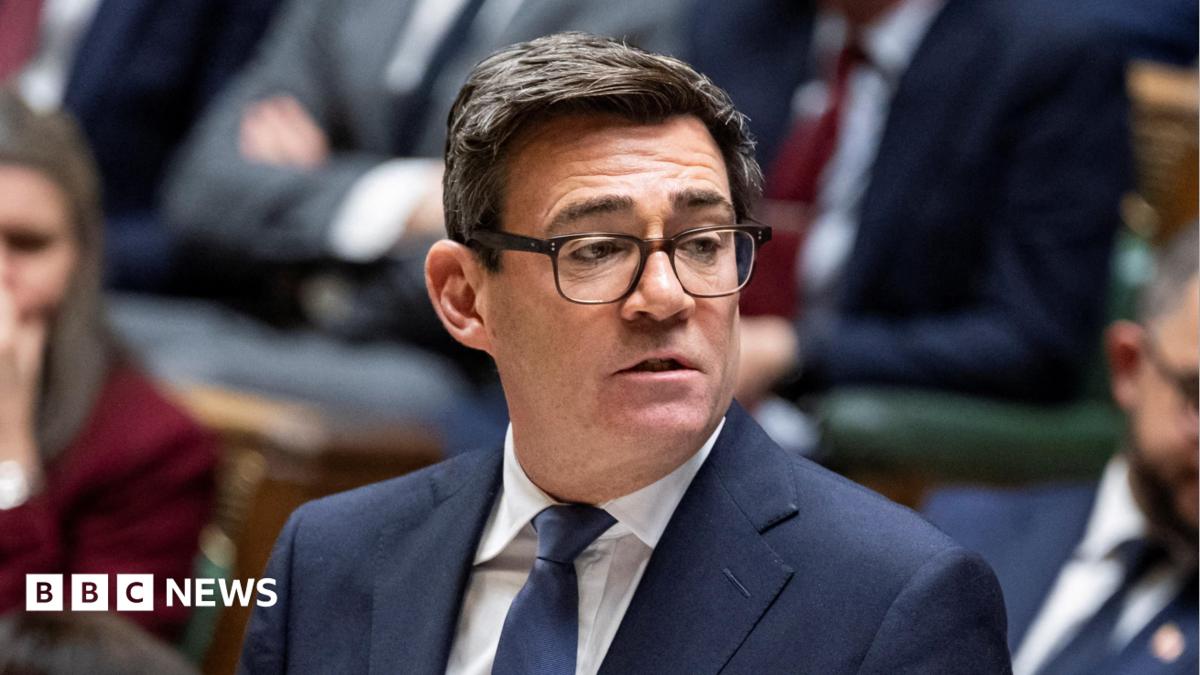
Welsh devolution powers, Digimart Global (Wales, United Kingdom): Prime Minister Andy Burnham has said he is “not persuaded” by the case for giving the Welsh government more powers, according to a report by the BBC. In a letter to Welsh First Minister Rhun ap Iorwerth sent last week, Burnham said he had not been convinced to devolve responsibilities over policing and justice, the Crown Estate and rail infrastructure to Wales.
Ap Iorwerth, who leads Plaid Cymru, responded with strong criticism. In a written statement to Senedd members, he said the refusal even to explore these devolution proposals showed that the prime minister “does not view Wales as an equal nation”.
He argued that the case for Wales to control these areas, as Scotland does, is compelling, and described the current settlement as “unfair, unjust and unsustainable”.
Calls for an urgent meeting
In a letter to the prime minister, ap Iorwerth asked Burnham to reconsider previous reports on the issue and said he would welcome an urgent meeting to discuss the evidence and agree a substantive way forward. He pointed to several commissions that have argued for devolving justice and policing.
Welsh Labour leader Ken Skates has also urged the two governments to keep talking. He called for “greater detail” on why full devolution of policing is not going ahead as part of current reforms, and said he would meet Burnham himself.
Welsh Labour has not dropped its calls for the devolution of justice, the Crown Estate and rail investment, with Skates arguing that devolution is a process rather than a single event.
Union and wider reaction
TUC Cymru also responded to the decision. Its general secretary, Laura Doel, said the union’s focus was on securing the powers and resources needed to improve outcomes for working people, including fair funding for Wales.
She said it was disappointing that the union’s calls had been dismissed without any discussion, and asked the UK government to engage more with democratic institutions in Wales before closing down proposals for further devolution.