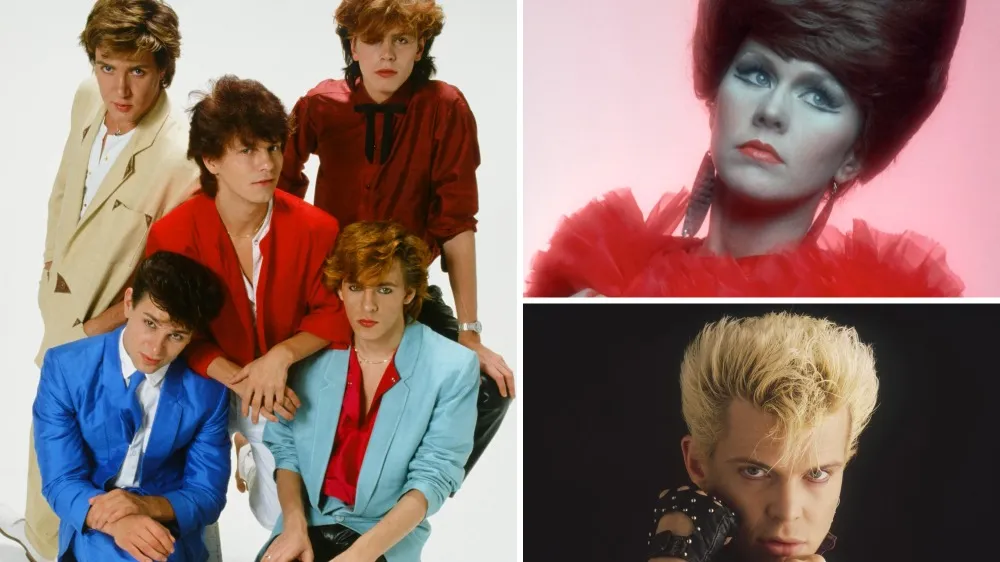
New wave documentary, Digimart Global: New wave music remains a constant presence in popular culture, from nostalgic TV soundtracks to shopping-aisle playlists, and a new four-part docuseries aims to explain how the genre took shape. The series, titled New Wave, premieres Monday on MGM+, according to the publisher’s report.
The docuseries follows a loosely connected group of misfits, fashion-minded artists and punk-rooted musicians from the U.K. and U.S.
who helped form the movement between roughly 1977 and 1987. Its storyline also traces how the arrival of music videos and MTV pushed the sound to a much wider audience.
Interviews and production
Interviewees include Kate Pierson and Fred Schneider of the B-52s, Billy Idol, Mark Mothersbaugh of Devo, Danny Elfman of Oingo Boingo, Stewart Copeland of the Police, John Taylor of Duran Duran, Curt Smith of Tears for Fears, Johnny Marr of the Smiths, Kathy Valentine of the Go-Gos, Brian Setzer of Stray Cats and Jim Kerr of Simple Minds. Douglas Tirola directs, and veejays Martha Quinn and Mark Goodman appear in the series.
Richard Blade, a KROQ and Sirius First Wave DJ, serves as consulting producer. R.J.
Cutler and Elise Pearlstein are among the executive producers, and the production company is This Machine Filmworks, part of Sony Pictures Television.
How the label emerged
According to Pearlstein, “new wave” was partly a marketing term. Artists were initially grouped with punk, which some venues would not book, so the label was used to distinguish them and make them more commercially viable.
Pierson described it as a term that encompassed post-punk, with the movement emphasizing self-expression and greater inclusion of women, queer artists and Black artists.
Why the music has lasted
Tirola said the film aims to make the case for the genre’s broader influence on music, movies, television, design, fashion and politics. Pearlstein pointed to synthesizers, which made the sound easier to produce, and to the visual experimentation that MTV rewarded.
The interviewees also credit the genre’s fun, danceable character for its staying power, and the publisher notes that younger listeners have encountered the sound through commercials and shows such as Stranger Things.