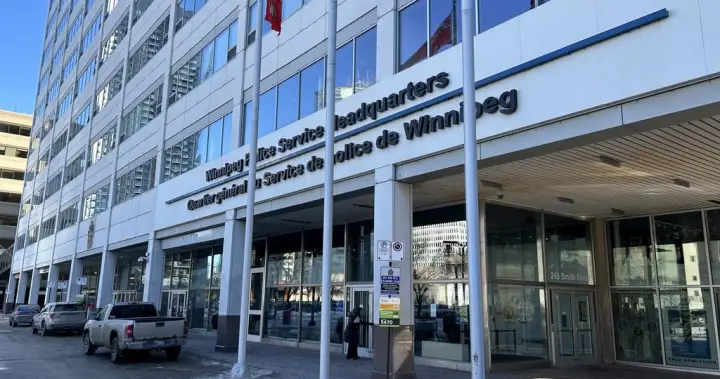
Winnipeg police race data, Digimart Global (Winnipeg, Manitoba): Police in Winnipeg are now required to collect race-based data in their use-of-force interactions, a move the service says is intended to address systemic racism in policing and advance reconciliation with racialized and other communities. The Winnipeg Police Service has historically tracked some race information, but as of last month, officers must include it in reports when force has been used in a case.
David Bowman, the service’s director of organizational support and development, said the data will help address significant gaps in collection and could eventually lead to reform. He said it may inform policy updates and training, including culturally appropriate training, depending on what the data shows.
Years of consultation and national gaps
The move follows years of consultations with groups including the Canadian Association of Chiefs of Police, Statistics Canada and the Winnipeg Police Board. At the national level, there are no laws requiring police to collect race-based data, although many advocacy groups have called for it as a way to address systemic racism.
Several other police services already collect similar information. Calgary police committed to collecting and reporting race-based data in 2020, and findings in 2024 showed Indigenous women and men, along with Black men, were overrepresented in use-of-force cases.
Bowman said the absence of national standards has made it harder to move forward, and the Canadian Association of Chiefs of Police, which does not collect race-based data itself, says it supports the practice.
Transparency and how data will be interpreted
Bowman said data collection will be based on an officer’s perceptions, explaining that how an individual is perceived by an officer is the relevant data point. Last year, Winnipeg police were dispatched to just over 254,000 calls for service, with 780 resulting in use of force, which can include the use of a stun gun, pointing a firearm or using a firearm.
Bowman said it is too soon to release race data from the past month, but the service may make it public later.
Meaghan Daniel, a lawyer for the Coalition of Families Affected by Police Violence, said collecting the data should help with oversight and trust, but raised questions about who collects it, how, and how it will be shared. Tandeep Sidhu, an assistant professor of sociology and criminology at the University of Manitoba, said the reports are police narratives that have not been tested in court, so the data can reveal general trends but should not be treated as an objective source.
Link to the 2020 Winnipeg inquest
Developing a policy and standards for mandatory collection of race-based data in use-of-force cases was a recommendation earlier this year from the inquest into the 2020 death of Eishia Hudson, 16, a First Nations girl who was killed after officers responded to reports of a liquor store robbery and chased a stolen Jeep she was driving. The inquest examined whether systemic racism played a role, because responding officers had been told the suspects were Indigenous youth.