Alaska Senate race, USA News (Alaska): Reliably Republican Alaska has emerged as one of the most surprising and controversial states in the midterm elections. Democratic candidate Mary Peltola has been leading in polls over Republican incumbent Daniel Sullivan. However, the race was upended by a New York Times report claiming Peltola’s campaign team helped recruit a retired teacher also named Dan Sullivan to run, potentially to confuse voters.
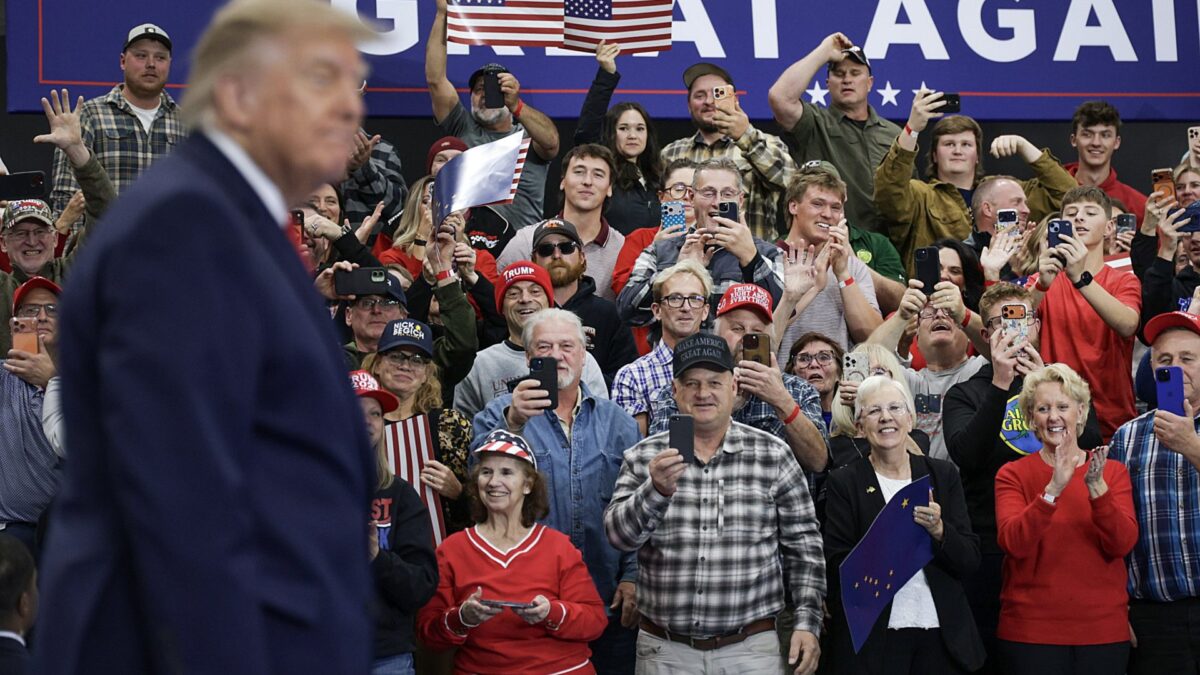
Both the Peltola campaign and the Democratic Senatorial Campaign Committee have denied any involvement, while the other Sullivan maintained he entered of his own volition. The report sparked severe backlash, with Donald Trump demanding Peltola be prosecuted and Alaska Governor Mike Dunleavy opening a criminal investigation with a warning that the vote count could be stopped.
Political Dynamics and Local Issues in Alaska
The state’s unique political climate has amplified the chaos. With a population of 700,000, Alaska leans right with a strong emphasis on energy and commercial fishing, yet features a high number of independent voters. Analysts note that Trump’s unpopularity, alongside surging local living costs—such as fuel prices reaching extreme levels in remote towns due to transport hurdles—has fueled voter discontent.
While incumbent Senator Sullivan has carefully avoided distancing himself from Trump, his campaign has largely focused on federal spending rather than presidential politics. Meanwhile, Peltola has campaigned heavily on anti-corruption themes under her “Fish, Family, Freedom” banner.
Potential Legal Battles Ahead
The Department of Justice has also filed a lawsuit challenging potential election results if Republicans lose, centered on the ballot configuration. Legal experts consider the challenge unlikely to succeed given that a Republican committee approved the ballot, which clearly lists both candidates with distinct designations.
Local political experts suggest the recent controversy has damaged Peltola’s momentum, potentially boosting incumbent Sullivan as the final votes approach. If the margin remains narrow, a protracted legal battle akin to the 2000 election dispute appears increasingly likely.