Cuauhtemoc Cardenas, USA News (Mexico City): Mexico is mourning the loss of one of its most prominent political figures following the death of Cuauhtemoc Cardenas Solorzano, an engineer, political leader, and symbol of the struggle for democracy, who passed away on Wednesday, October 28, at the age of 92. His passing concludes a career deeply intertwined with the nation’s political transformation.
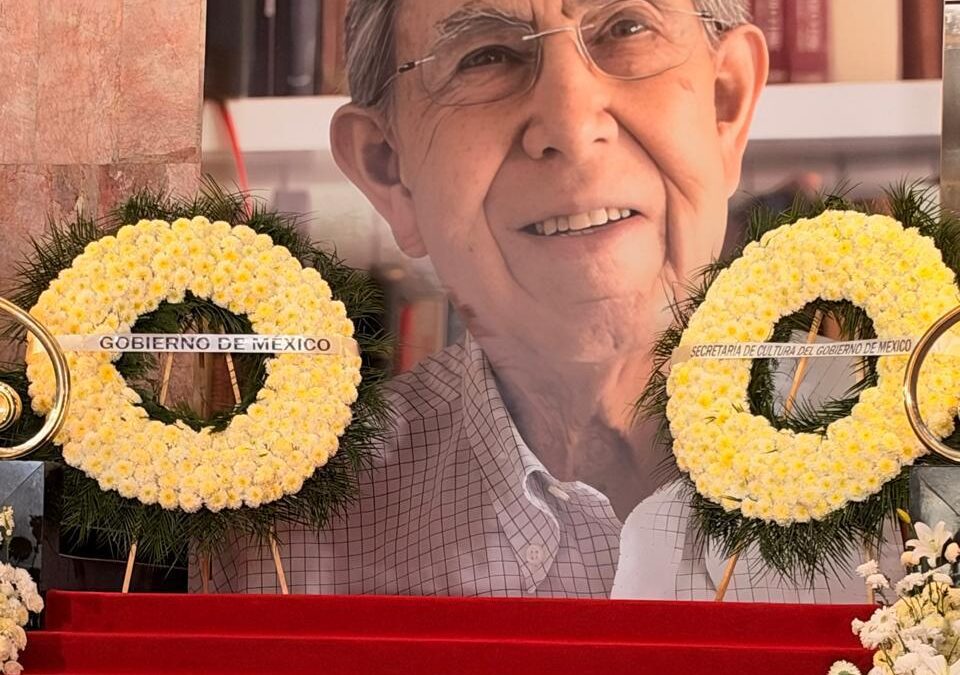
On Friday, the Palace of Fine Arts in Mexico City hosted a solemn and emotional farewell. His children—Lazaro, Cuauhtemoc, and Camila—draped a Mexican flag over his casket beneath the building’s monumental murals and led the initial honor guards. Traditional Michoacan music filled the venue as family members, institutional representatives, and citizens gathered to pay their respects.
A Turning Point in Mexican Politics
Born on May 1, 1934, in Mexico City, Cardenas built a lengthy political career that included governing Michoacán and emerging as a primary opposition voice. His most decisive moment occurred in 1987 when he broke away from the Institutional Revolutionary Party (PRI), which had dominated Mexican politics for decades. The following year, he spearheaded a presidential candidacy that galvanized millions and challenged the political status quo.
The 1988 elections were defined by widespread irregularities, accusations of fraud, and institutional crises. Although Carlos Salinas de Gortari was declared the winner, the election marked a watershed moment for Mexico’s democratic movement. Cardenas subsequently helped found the Party of the Democratic Revolution (PRD) in 1989, establishing a major left-wing alternative. He ran for president again in 1994 and 2000, and secured a historic victory in 1997 by becoming the first popularly elected Head of Government of the Federal District.
Family Legacy and Institutional Recognition
Cardenas carried forward a profound political lineage as the son of General Lazaro Cardenas del Rio, who served as president from 1934 to 1940 and carried out the 1938 oil expropriation and agrarian reform. The elder Cardenas also famously welcomed thousands of Spanish Republicans fleeing the Franco regime, cementing a historic tradition of political asylum in Mexico.
During the Palace of Fine Arts tribute, President Claudia Sheinbaum participated in an honor guard alongside the family. Praising his political courage, Sheinbaum announced a proposal to transfer his remains to the Rotunda of Illustrious Persons, a distinction subject to institutional review and family approval.
As Michoacan melodies resonated through the hall, Mexico bid adieu to a leader who spent decades championing free elections and political pluralism, leaving an indelible mark on the nation’s democratic history.