

Dengie Peninsula solar farm, Digimart Global (Essex, England): Plans have been unveiled to build one of the biggest solar farms in the UK across a large area of the Dengie Peninsula in Essex. According to the BBC, developer Low Carbon wants to install panels across 4,200 acres (1,700 hectares) of countryside between Burnham-on-Crouch and Bradwell-on-Sea.
Low Carbon says the site could generate 1GW of power, enough to supply 250,000 homes. The plans, published online by the developer, show seven potential sites earmarked for solar farms and battery energy storage systems, stretching from near the decommissioned Bradwell nuclear power station to Burnham-on-Crouch, passing Tillingham and Southminster.
Low Carbon describes the land as equivalent to about 2,400 football pitches.
Local concerns over scale and wildlife
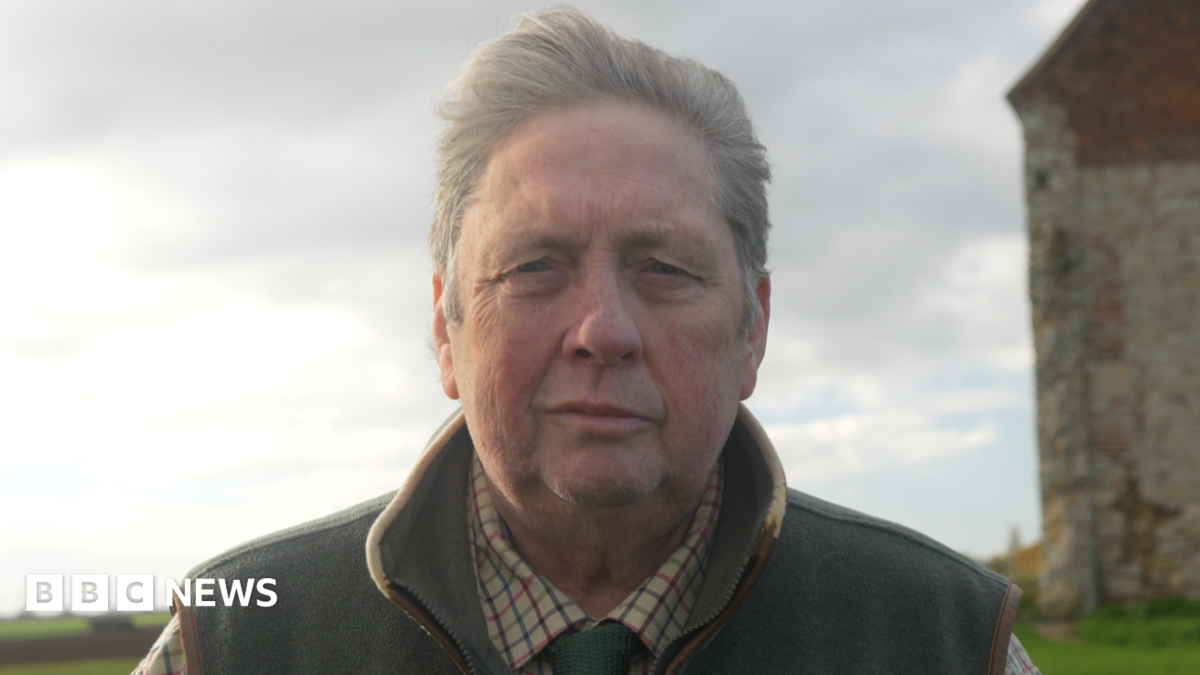
Simon Morgan, the Conservative leader of Maldon District Council, told the BBC the plans had emerged “out of the blue” and that the extent of the proposed area was a complete shock. He estimated it to be almost one-third of the land in the Dengie Peninsula.
James Taylor, chairman of the Dengie Climate Action Partnership, said the scale had “slightly knocked people sideways” and described himself as torn between supporting renewable energy and concern about wildlife. Roger Morland, chairman of Burnham Against Non-Sustainable Development, said the area is an internationally important site for wildlife and a Site of Special Scientific Interest.
Critics have questioned how the project could affect wildlife and local roads during construction.
Planning timeline and government role
The scheme has been deemed a nationally significant infrastructure project, meaning the government has the final say on whether it goes ahead. Low Carbon aims to consult residents on its plan by summer 2027 and then submit it to the Planning Inspectorate by the end of that year.
Why the Dengie was chosen
According to Ed Perrin, development director at Low Carbon, the Dengie was selected for its sunlight exposure, large flat land and an existing electricity grid at the former nuclear power plant. Pylons that once served the power station could be brought back into use to carry the solar farm’s energy to a substation in Rayleigh.
Perrin said extensive bird surveys are being carried out to measure the potential impact, and suggested some materials could be delivered by boat during construction rather than on local roads.
Perrin argued that the scale of the UK’s decarbonisation targets and the drive for affordability mean projects of this size need to come forward to meet those targets.