

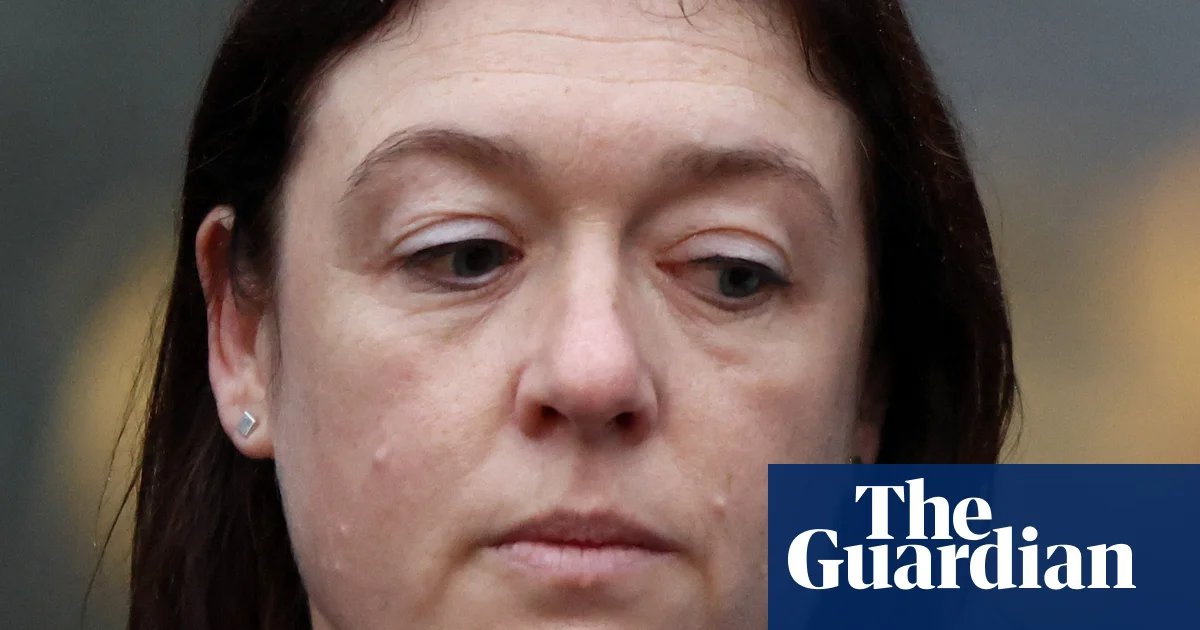
Rape prosecution reform, Digimart Global (England and Wales): Joanne Young stood outside Winchester Crown Court and said she was relieved, not only for herself and her family but for women in the future. She had waived her anonymity after years of drugging and rape by her husband, who invited other men to assault her, and she said she hoped others who had experienced similar abuse could have more faith in the criminal justice system.
A specialist prosecutor in the Crown Prosecution Service’s Wessex complex casework unit, James Foster, said the case had been built using a suspect-centric approach. He said this allowed prosecutors to prove to a jury that Philip Young could not give consent on the victim’s behalf and that each defendant played a part in the abuse.
A shift in how cases are built
The Guardian reports that a suspect-focused approach would once have been unusual in rape, sexual assault and domestic abuse cases. In 2018, the newspaper reported a sharp fall in cases that CPS prosecutors were willing to take to trial, with prosecutions falling 60% from 5,190 in 2016-17 to 2,102 in 2019-20, even as reported incidents rose.
In March 2019, the then government launched a review of rape investigations, which reported in 2021 that victims were being let down and made to feel they were under investigation. Following the review, the Home Office funded Operation Soteria Bluestone, which examined police cases and set out changes focused on suspects, repeat offenders, victim engagement, officer development, wellbeing and more careful use of digital data.
Progress, and the problems that remain
The article says police referrals and CPS charges for rape had returned to 2016 levels by 2024, a change welcomed by independent sexual violence advisers such as Rape Crisis England & Wales. Charities nonetheless warn against complacency, saying about 97% of reported rapes never reach court.
Concerns also remain about the courts backlog, which the article says means rape survivors and complainants wait an average of 423 days for trial, with many waiting far longer. Experts also say rape myths still appear in courtrooms.
The article notes that during the trial of Russell Brand, his barrister said accusers had not “resisted or screamed or even tried to leave”.
Government independent adviser on rape Katrin Hohl has warned that, as police and prosecutors improve, the courts system risks being left behind. According to the article, her recent report suggested that sexual assault cases prepared under the improved standards face a “cliff edge” at trial.
The article concludes that while Young’s case offers a sliver of light, the work to transform the criminal justice system is far from complete.