

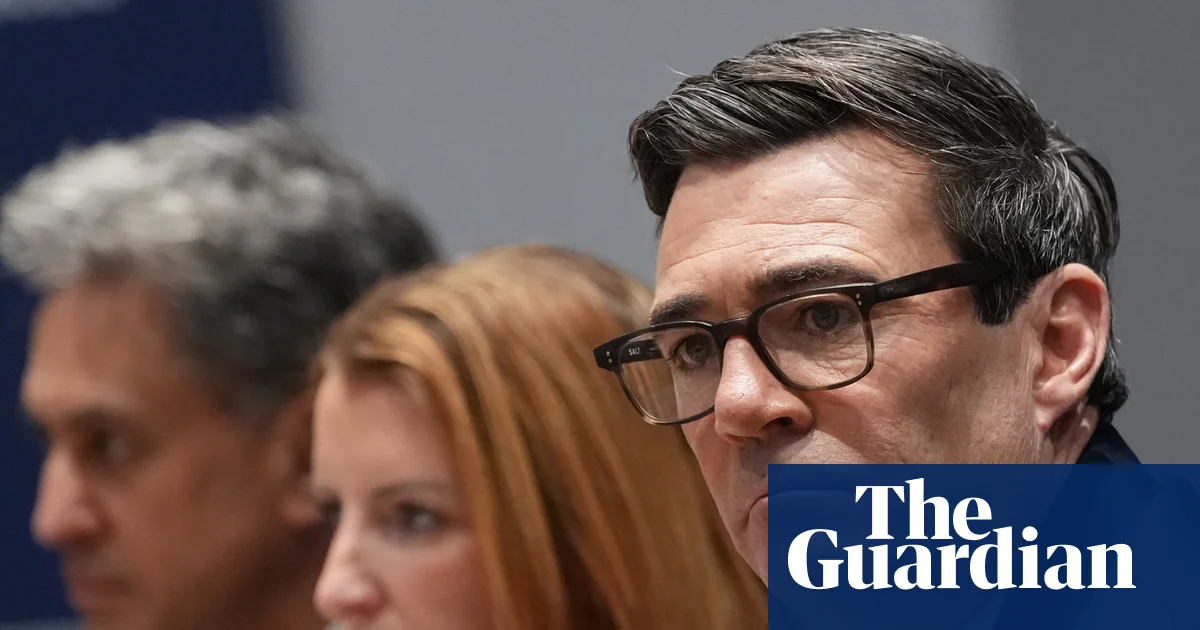
UK EU reset deal, Digimart Global (Brussels, Belgium): Downing Street has said the UK and EU have agreed a reset deal, although the level of tuition fees that EU students will pay to study at UK universities remains unresolved. A No 10 statement said “the deal is done – negotiations have concluded” less than an hour after Prime Minister Andy Burnham arrived at the summit venue in Brussels.
The reset covers three agreements: food and drink, emissions trading and a youth mobility scheme. EU sources, however, say these deals will not enter into force unless the UK reaches a settlement with the bloc over tuition fee rates for European students.
Earlier headlines on Friday had suggested the fee issue could cause other parts of the process to collapse.
Tuition fees remain the sticking point
UK officials pushed back strongly against the idea that the three plans could be jeopardised by a failure to agree on tuition fees, saying the issues were completely separate. Earlier, EU officials had indicated that progress on the main deals would be contingent on tuition fees.
Talks on tuition fees are scheduled to last another six months, and officials said new arrangements for food and agriculture would come into force in March 2028 regardless of an agreement on the issue.
The EU wants students from the bloc to pay UK domestic rates, which are capped at £9,790 for the current academic year, rather than the international rate, which can be four or five times higher. In a concession, the bloc agreed to defer agreement on tuition fees by six months but will continue to press for domestic rates.
According to two EU sources, in 11th-hour talks the UK suggested it could go as low as £12,000 for EU students, more than £2,000 above the charge for UK students.
Other elements of the reset
UK officials also said Britain had secured agreement on the potential inclusion in the EU’s yet-to-be-finalised “Made in Europe” policy, a protectionist plan intended to limit China’s increasing influence on European industry. One official described this as “a big win”, especially as it was achieved before a deal on tuition fees.
The two sides also agreed that 100,000 young people from each side could take part in the youth mobility scheme, which allows the freedom to live, work, travel and study on both sides of the Channel for up to three years.
Political reaction
Burnham arrived with several cabinet ministers, including Louise Haigh, John Healey, Ed Miliband and Jonathan Reynolds. Speaking to business leaders, he said “it just makes sense to get closer” and described the summit as “a big day and hopefully a positive day”.
Nigel Farage, leader of Reform UK, criticised the move in comments to LBC radio, saying Burnham was “rejoining a chunk of the European Union’s single market”, which he said would make the UK a rule taker.