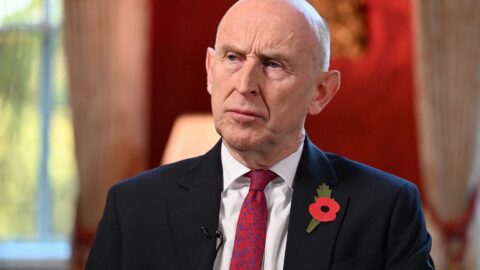
Brexit reset, USA News (London): Chancellor John Healey defended the first Budget of Andy Burnham’s premiership by praising his predecessor, Rachel Reeves, while simultaneously facing criticism for delivering a cautious fiscal package. Treasury insiders dubbed it the ‘see you next year Budget,’ noting that apart from a £100 giveaway to 20 million people, it offered few radical measures to tackle pressing national issues like defense spending, the benefits bill, and the cost-of-living crisis. Despite initial anxieties inside No 10 and the Treasury, polling carried out for The i Paper immediately after the statement showed Labour enjoying a 31 per cent share of the vote—nine points ahead of Reform and ten ahead of the Conservatives.
Further clues regarding the administration’s long-term strategy are expected at the end of next month, when Prime Minister Andy Burnham launches a ten-year plan for the UK. The upcoming framework is anticipated to cover proposals for a National Care Service and reforms to the state pension triple lock. However, a key finding from the recent fiscal event highlighted that rising costs for working-age, disability, and child benefits are projected to consume nearly all additional revenues raised from freezing income tax and National Insurance thresholds, with welfare reform expected to take a decade.
The Brexit Tightrope and Brussels Negotiations
Before unveiling his ten-year strategy, Burnham plans to attend a Brexit reset summit in Brussels. During the meetings, he intends to sign a deal aimed at easing trade with the European Union and permitting under-30s to work and study across borders, alongside UK nationals doing the same in Europe. At Prime Minister’s Questions ahead of the Budget, Burnham declined to rule out a second Brexit referendum when questioned by Conservative leader Kemi Badenoch. However, his remarks calling for an honest discussion about restoring EU freedom of movement prompted immediate political pushback, forcing Downing Street to clarify that freedom of movement would not return without a referendum.
Cabinet divisions on the matter were further underscored when Chancellor John Healey stated he did not expect the UK to rejoin the EU in his lifetime. A supportive Cabinet minister argued that Burnham must focus on control and cooperation with European partners to tackle illegal migration and enhance economic ties, rather than getting bogged down in negotiating mechanics. Meanwhile, Sandro Gozi, chair of the EU-UK Parliamentary Assembly, welcomed Burnham’s approach as a fundamental shift in British thinking that offers new opportunities for young people.
Remaining Obstacles and European Skepticism
Despite a more optimistic atmosphere in Brussels, experts caution that significant hurdles remain. Fabian Zuleeg, chief executive of the European Policy Centre, noted that a degree of mistrust persists among European officials regarding whether the UK will genuinely follow through on discussions without repeating past friction. Additionally, two years of Burnham’s proposed ten-year plan remain bound by existing manifesto constraints, leaving a compressed eight-year window to deliver substantive transformation before future electoral tests.