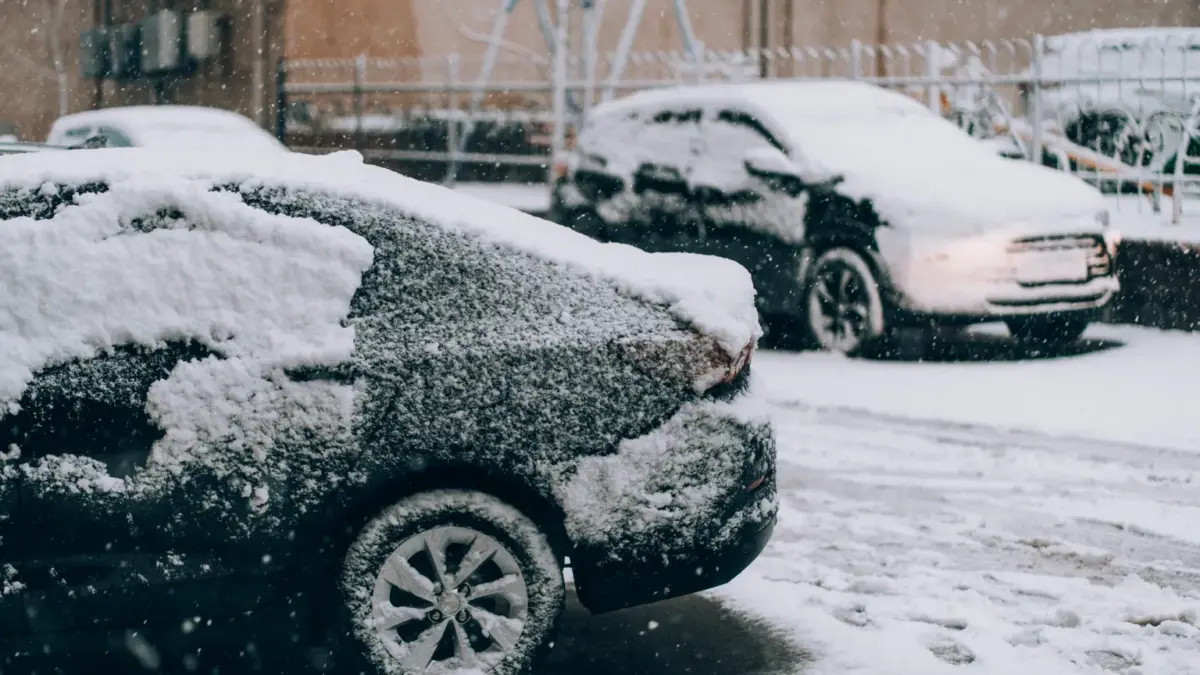
Cold Weather Payment 2026, USA News: Millions of households across England and Wales are being urged to check their eligibility for winter financial support as the Department for Work and Pensions prepares to restart the Cold Weather Payment scheme on November 1, 2026. Eligible households could receive £25 for each qualifying seven-day period when temperatures in their area are recorded or forecast to average 0°C or below.
The scheme is designed to help people on certain benefits manage additional heating expenses during periods of particularly cold weather. However, the announcement has also prompted warnings about fraudulent messages targeting pensioners and people receiving government assistance.
The security warning comes after research from cybersecurity company Kaspersky found that victims lose an average of £458.45 per message-related scam. Criminals are increasingly using convincing messages, fake government branding, and artificial intelligence to make fraudulent communications appear genuine.
For households already dealing with higher heating and living expenses, these scams can create additional financial pressure. The important point is that eligible Cold Weather Payments are normally issued automatically. Claimants do not need to pay a processing fee, activate a payment through a text message, or provide banking details through an unexpected link.
Scheme Details and Winter Dates
The DWP Cold Weather Payment scheme is scheduled to operate from November 1, 2026, until March 31, 2027. It provides financial assistance to eligible households when particularly cold weather affects their local area. Under the scheme, qualifying recipients receive £25 for each seven-day period when the average temperature is recorded or forecast to be 0°C or below. This means payments depend on local weather conditions rather than simply the arrival of winter.
For example, if an eligible household experiences two separate qualifying seven-day periods, it could receive £50. If four qualifying periods occur, the total could reach £100. The payments are intended to help cover additional heating costs, particularly for older people, households with disabilities, and families facing financial difficulties. During the previous winter, almost 1.5 million households across England and Wales had received Cold Weather Payments by mid-February, according to Government figures.
Eligibility and Benefit Rules
Not every household receiving benefits automatically qualifies. Eligibility depends on the particular benefit received and additional circumstances. People receiving Pension Credit generally qualify for the scheme. Some recipients of Universal Credit may also qualify, depending on their circumstances, employment status, limited capability for work, and whether children are included in the household.
Households should also understand the difference between Cold Weather Payments and Winter Fuel Payments. While both schemes provide help with winter-related expenses, Winter Fuel Payments provide annual winter assistance to eligible pensioners, whereas Cold Weather Payments are triggered by qualifying periods of very cold weather.
Automatic Payments and Scam Protection
Eligible households do not normally need to submit a separate application to receive Cold Weather Payments. The DWP uses benefit records and local weather information to identify qualifying recipients, and payments should normally arrive within 14 working days after a qualifying period into the same account used for the relevant benefit.
Tom Rogers, a content specialist at Manage At Home, has highlighted the importance of checking unexpected communications before responding, noting that professional wording and familiar logos do not establish that a message is genuine. Suspicious text messages can be forwarded to 7726 free of charge, and emails can be forwarded to report@phishing.gov.uk.