
Scotland mansion tax bill, Digimart Global (Scotland): Scotland’s so-called mansion tax has moved a step closer after ministers published a bill at Holyrood. Under the Scottish government’s proposals, properties worth more than £1m would be placed into a new council tax band with higher rates, and an estimated 13,000 homes face increases ranging from about £700 to £3,600.
The government proposes two new bands from April 2028. Band I would cover homes valued between £1m and £2m, and Band J would cover homes worth more than £2m. It is estimated that about 13,600 homes would move into the new bands, with 12,940 in Band I and 660 in Band J.
The government estimates the average council tax bill for Band I homes would start at about £4,770 a year, a £700 increase on the average Band H bill today. The average rate for Band J is forecast to rise to about £7,650, reaching more than £9,300 by 2031-32.
Transitional reliefs are proposed for properties moving into the new bands, excluding second homes. Increases would be capped at £1,500 or half of the previous year’s bill, whichever is lower, with the cap reapplied annually until the home reaches its full Band I or J liability.
The government says the new bands could raise an extra £14m for councils in 2028-29, rising to more than £19m by 2031-32. Ministers have set aside £10m for a targeted revaluation of homes thought to be worth £1m or more, with administrative costs estimated at between £385,000 and £2m. Existing bands are based on 1991 valuations, and there is cross-party agreement that the system should be reformed, though not on how.
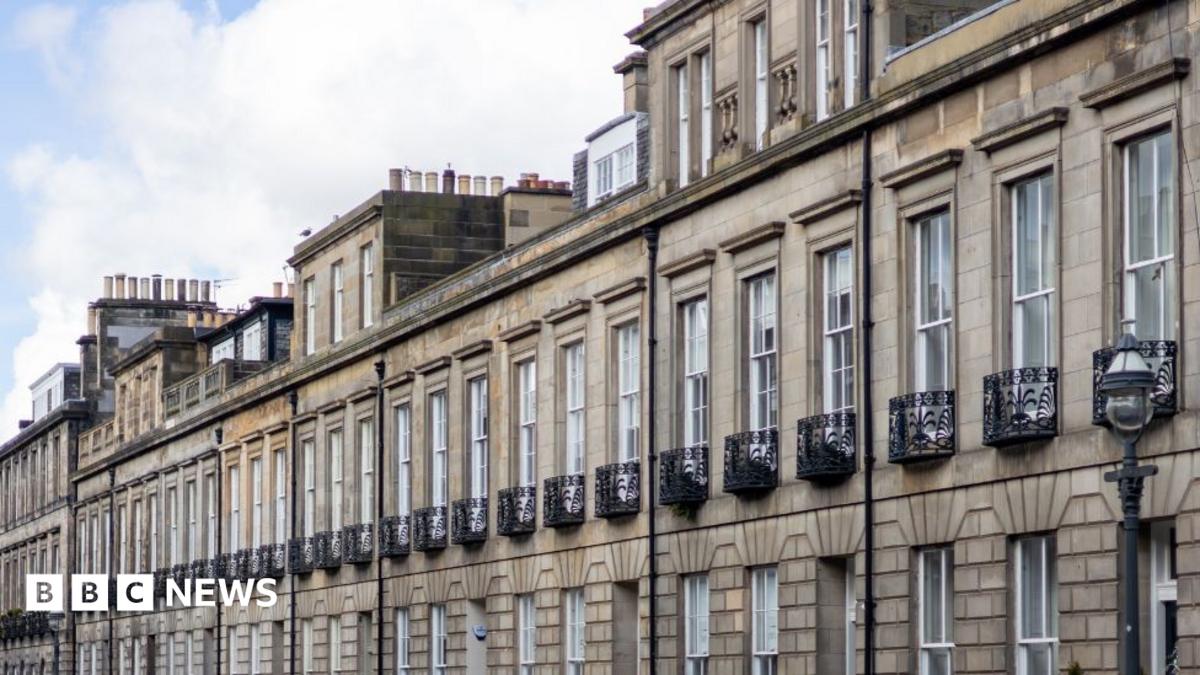
The government estimates that about half of homes worth £1m or more are in Edinburgh, with about 1,000 in Glasgow, and the rest spread across several other local authority areas. It does not expect the new bands to have a significant impact on house sales in a way that would affect revenues from Land and Buildings Transaction Tax.
Scottish Conservative finance spokesman Craig Hoy said the money raised would barely touch the sides of what councils need. The Scottish Greens, who had called for the tax, said it would raise vital funds for schools, libraries and local services, and called for wider reform of the council tax system.
The bill also proposes backdating council tax discounts or exemptions for people with significant cognitive impairment, such as dementia or a serious brain injury, to the date of diagnosis, and would give councils powers to offer discounts after events such as fire, flooding or other natural disasters. Deputy First Minister Jenny Gilruth said the legislation would further improve the fairness of taxation for local services.
The proposals must pass three stages of parliamentary scrutiny before becoming law.