
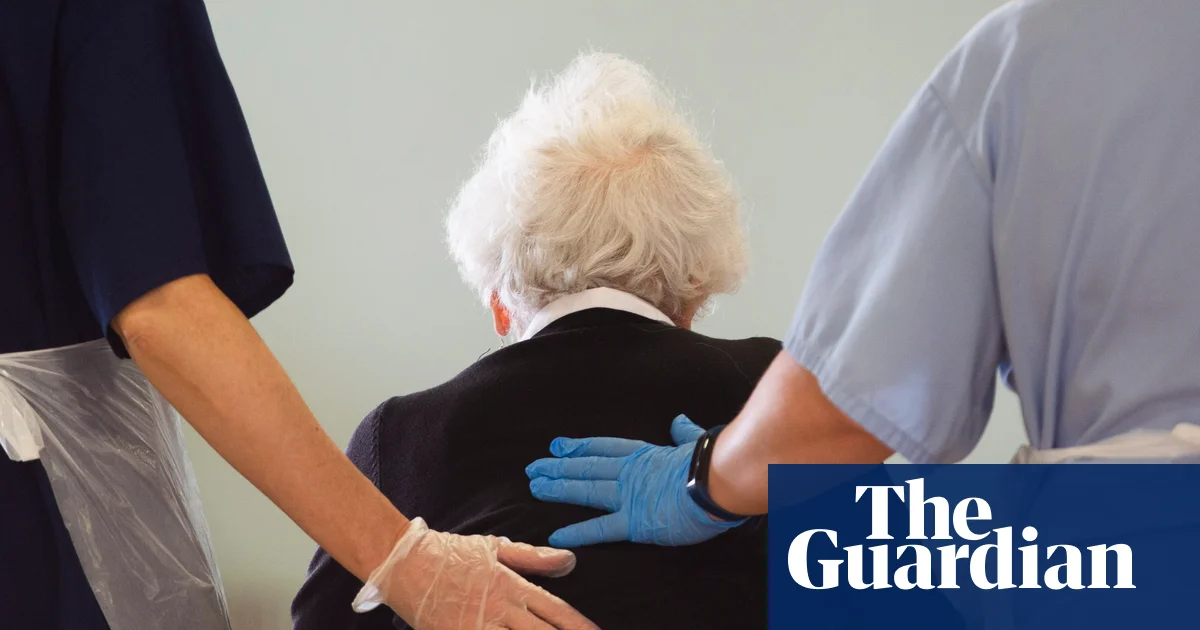
Neighbourhood support teams national care service England, Digimart Global (England): More than half a million of the most vulnerable people in England will be offered help from joint NHS and social care teams, according to Health Secretary Yvette Cooper. Elderly people, care home residents, people with dementia and those near the end of their lives will receive assistance from the new programme.
Cooper announced in a speech at the King’s Fund health thinktank on Wednesday that about 566,000 people, roughly 1% of the population, will benefit from the neighbourhood support teams by next April. She described the measure as a “downpayment” on the national care service promised by Andy Burnham to address the social care crisis.
The teams will be made up of GPs, district nurses, occupational therapists, geriatric consultants, physiotherapists, clinical pharmacists, mental health workers and social workers. They will identify the most vulnerable people in their local community and devise a plan to keep them as well as possible, including care in their own home or a care home for as long as possible.
Each person helped will have an individual care plan setting out their needs and who should be helping them, and will receive regular health checks. Patients and families will also have access to a 24/7 helpline acting as a single point of contact, although it is unclear when that will start.
The service is expected to expand and eventually cover about 2 million people with particular health needs, including parents and babies and under-25s who are not in education, employment or training. Once fully operational, the government says the shift could cut 4.3 million bed days and reduce “corridor care”, which mainly affects frail older people and those with dementia.
Cooper said the most frail and vulnerable, 4% of the population, account for 70% of emergency bed days in hospital.
Cooper cited a west Hertfordshire pilot using remote monitoring, “virtual ward” rounds and home visits, which led to people spending three fewer days in Watford General Hospital and saved the local NHS £3.8m. Age UK welcomed the announcement, while Sarah Woolnough, chief executive of the King’s Fund, cautioned that bringing care closer to home has been an ambition of successive governments and may not happen now because money has not been provided.
Helen Morgan, the Liberal Democrats’ health spokesperson, said there was no new money and nothing would start until April.
The announcement follows Cooper’s earlier pledge that GPs in England will receive £40m this winter to help give 300,000 vulnerable patients better care at home.