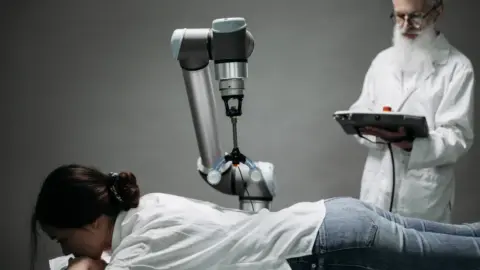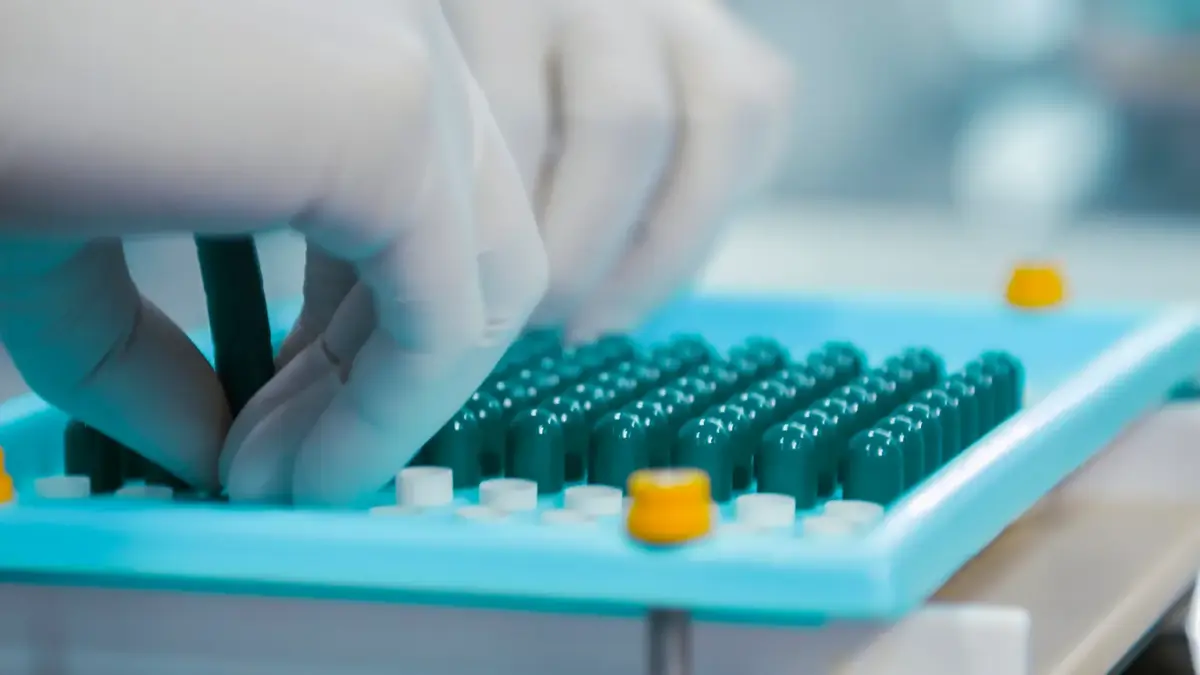
Medical micro-robots, USA News: While human shrinking remains confined to science fiction classics like the 1966 film Fantastic Voyage, the development of miniature medical robots is being actively pursued by research groups worldwide. Innovations ranging from swallowable camera capsules to microscopic magnetic devices are opening new pathways for diagnosing and treating complex medical conditions.
While advanced devices small enough to navigate blood vessels are likely at least a decade away from routine patient use, doctors are already deploying a foundational kind of medical micro-robot. The National Health Service utilizes swallowable camera capsules to investigate gut problems such as bleeding and pain as an alternative to traditional endoscopy.
First-generation camera capsules moved passively through the digestive tract. However, more advanced camera capsules can now be actively maneuvered within the stomach using magnetic steering systems. Devices such as NaviCam allow patients to fill their stomachs with water and lie on a platform surrounded by magnetic controls, enabling doctors to inspect the interior using joysticks.
Researchers in Beijing have developed a smaller device called a spiny milli-ball robot, measuring 6.5mm in diameter, for precise drug delivery. Contained within a swallowable capsule that dissolves in the stomach, the spikey ball uses magnetic fields to anchor into gut tissue and release its payload, successfully testing insulin delivery in pigs.
Professor Bradley Nelson, a roboticist at ETH Zürich, notes that approximately one-third of experimental drugs fail in clinical trials due to high toxicity. Delivering medications directly to specific sites slashes the required dosage, potentially solving toxicity issues.
Nelson’s team has engineered a 2mm-wide micro-robot guided magnetically through a pig’s bloodstream using a game controller. In tests using a silicone brain model, the device delivered a clot-dissolving drug. Furthermore, Dr. Ali Kafash Hoshiar at the University of Essex has developed micro-devices as small as one-tenth of a millimetre that can form swarms to surround and heat up tumours to destroy them in mice.