stealth tax, USA News (London): British households face a fresh squeeze on living standards despite a series of Budget giveaways, with frozen tax thresholds set to drag millions of more people into paying income tax and into higher tax bands. The Chancellor’s first Budget saw him preside over a raft of giveaways, including a surprise £100 cash payment into the bank accounts of up to 20 million households in council tax bands A to D in England to help with energy costs. Similar support will also apply to households in the rest of the UK.
However, the Institute for Fiscal Studies (IFS) warned that it was a “fiddly” Budget, with very little that will move the dial on growth. It pointed out that the Office for Budget Responsibility had downgraded household income growth in this Parliament from 0.7 per cent to 0.4 per cent, representing the second worst performance since 1979, with only the last Parliament worse. Economists also pointed out that energy relief measures, including the scrapping of the standing charge, would be more than offset by an effective tax rise as income tax thresholds remain frozen.
Stealth Taxes and Fiscal Drag
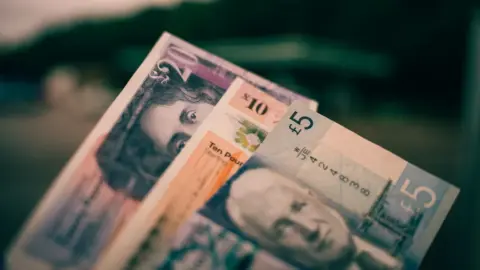
Analysis for The i Paper by tax consultancy Blick Rothenberg suggests that frozen income tax thresholds will leave people earning between £20,000 and £50,000 facing an extra tax hit of £717 in 2026-27, rising to £814 in 2027-28. For someone earning £60,000, the estimated figure rises from £2,079 to £2,177, while those earning between £70,000 and £100,000 face a hit of £2,151 this year, increasing to £2,443 next year.
The effect, known as fiscal drag, occurs when tax thresholds remain frozen while wages rise, meaning people pay more tax as a greater proportion of their income becomes taxable or they are pushed into higher tax bands. The impact is expected to grow over time. Forecasts show that by 2031-32, 6.7 million more people will be paying income tax and 5.4 million more will be paying the higher rate than if thresholds had risen in line with inflation.
The freeze, introduced by the Conservatives in 2021 and extended until 2031, is therefore set to bring millions more into the Exchequer and push more earners into the 40 per cent band. A spokesperson for the Liberal Democrats stated that the last thing millions of people need is a massive stealth tax penalty just as energy bills rise and inflation soars.
Grim Picture of Living Standards
The Office for Budget Responsibility (OBR) painted a grim picture of living standards, forecasting that households will be little better off than before the Covid-19 pandemic. Its forecasts suggest real household disposable income per person will be just 1 per cent higher in 2030 than it was a decade earlier.
Professor David Miles, a member of the OBR’s Budget Responsibility Committee, told journalists that it is a pretty grim picture with virtually no growth in per-person real household disposable income over a seven-year period. Miles noted this stagnation has been driven largely by very big increases in energy prices following Russia’s invasion of Ukraine in 2022 and the closure of the Strait of Hormuz this year due to the US-Iran war.
Promise of Breathing Space
The Chancellor used his Budget to repeatedly promise to give struggling households breathing space, using the phrase 13 times in his speech. On pensions, he introduced a new allowance from April 2027 to prevent pensioners whose only income is the state pension from being dragged into paying income tax as payments rise. The Chancellor also reversed a plan to cut the annual cash ISA allowance from £20,000 to £12,000.
However, from April 2027, tax rates on savings interest and rental income will rise by two percentage points at each tax band, increasing bills for savers and landlords. The Budget also faced questions over its approach to longer-term challenges, including welfare reform and defence spending, with the welfare bill forecast to be around £8bn higher by the end of the decade.