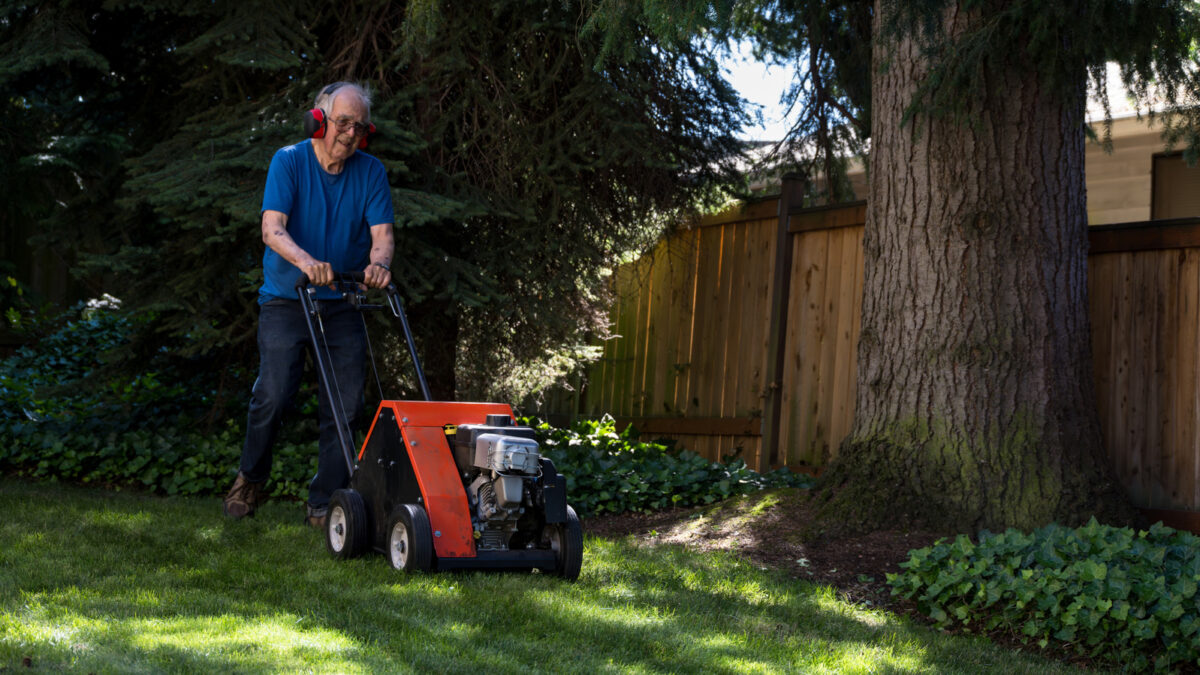
Slow-release granular nitrogen after lawn aeration, Digi Mart USA News: Aerating a lawn removes soil plugs at set intervals, loosening the soil so air and water can reach the roots and support denser growth. Jon Sneider, owner of Jon Sneider Lawn Care & Tree Service in Newton, Massachusetts, which has served Greater Boston since 1994, says homeowners can get more from aeration by fertilizing right afterward.
In an interview with House Digest, Sneider said he personally prefers applying a slow-release granular nitrogen fertilizer after aerating. The fertilizer settles at soil level, where roots can absorb it readily, which helps the grass recover and restores its appearance after aeration temporarily thins the turf.
Sneider recommends aerating and fertilizing only while grass is actively growing rather than after it has gone dormant. If time is limited, he says feeding the lawn within two days of aerating is preferable, and he expects noticeably healthy growth within about three weeks.
He favors granular products over liquid ones because they release nutrients more gradually and last longer. Slow-release formulas, he says, release nutrients over several weeks, which helps maintain more consistent color, reduces how often fertilizer must be applied and generally lowers the risk of burning the grass when used correctly.
Sneider also said slow-release nitrogen can reduce nutrient loss through leaching compared with quick-release fertilizers. Fertilizer runoff can impair water quality and may promote algal blooms that harm aquatic life, so a gradual release lowers that risk.
Sneider advises avoiding high-phosphorus starter fertilizers on established lawns unless the lawn is being seeded or renovated or a soil test shows additional phosphorus is needed. He suggests a soil test every three years to identify lacking nutrients, and notes that some states restrict phosphorus-heavy fertilizers or limit application during certain periods, often late fall through early spring.
He also cautions against quick-release nitrogen on rapidly growing, healthy lawns, saying it can cause a sudden burst of growth, more frequent mowing and a greater risk of fertilizer burn if misapplied. Because nitrogen needs cannot be determined even with a soil test, he says homeowners should follow label directions to avoid overfertilization.