RefVid AI advertising video tool test, Digi Mart USA News: Notebookcheck has tested RefVid, a web-based reference-to-video tool that targets advertising and product marketing. The publisher reports that the platform promises promotional clips with consistent characters and product visuals, and it was tested after an earlier reviewer’s experience with a similar tool.
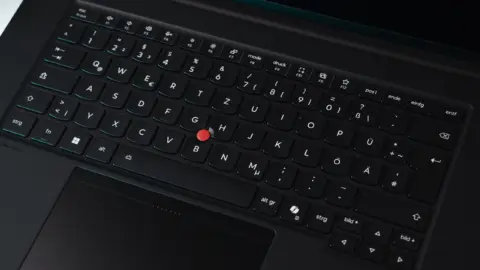
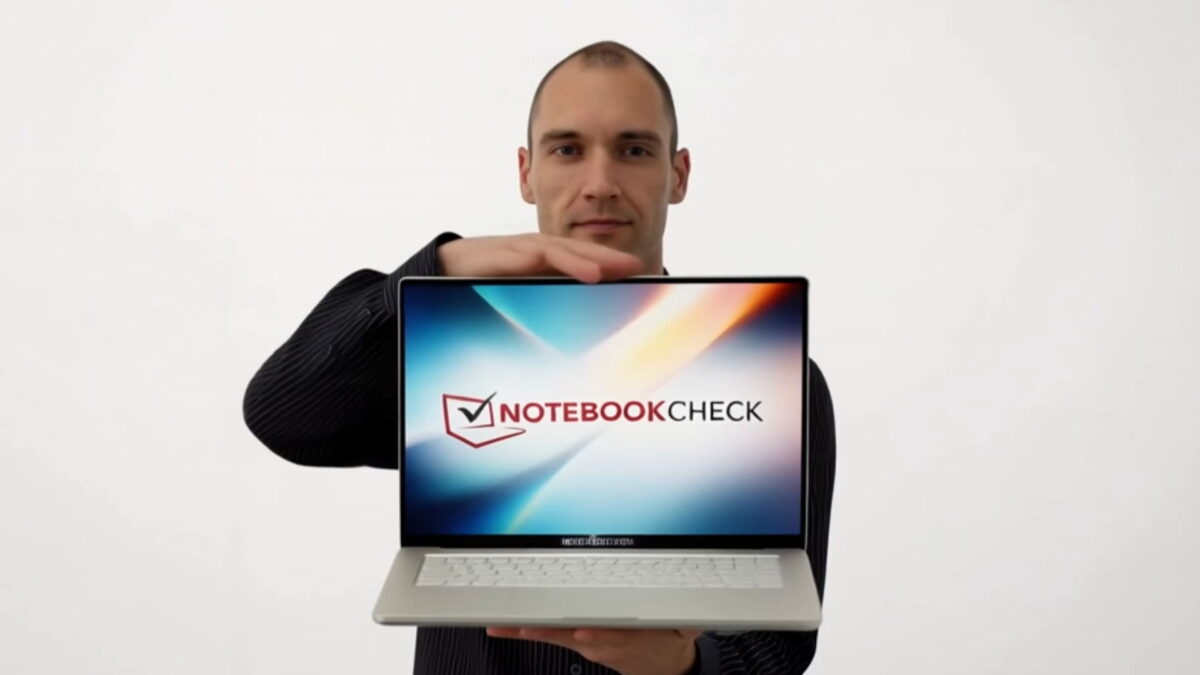
For the test, the publisher used a fictional Notebookcheck laptop and a character. Scripts and prompts were prepared with ChatGPT, while Gemini, Adobe Firefly and other tools generated the reference images.
The reference-to-video feature accepts between 1 and 10 images, categorized as characters, products or elements, and the test used the Kling 4.0 model with a 16:9 aspect ratio.
The publisher found that clips are limited to 5-second increments and that the interface did not clearly display credit costs before generation. Generating a clip took between 2 and 10 minutes, and the first scene was ready in about 2.5 minutes.
The reviewer described the first result as unsatisfactory, with an incorrect angry reaction and a character body stuck partly inside a table.
Some prompts were not followed correctly. In one case, a scene instructed to show the character working on the laptop instead showed the character simply opening it.
The reviewer said that all six scenes were eventually created, though several needed multiple attempts, and concluded the final result was only marginally presentable for a marketing department.
Audio was another limitation. Kling combines spoken dialogue and music into a single track, which the reviewer said makes it harder to add separate music or re-record dialogue in post-production.
The reviewer recommended adding voice-over and sound effects separately.
The reviewer’s main positive finding was consistency: the character looked remarkably consistent across clips even from a single reference photo, and the laptop was reasonably consistent depending on the prompt. The publisher concluded that the underlying model still produces typical AI glitches, and that precise scene descriptions and negative prompts are needed to get the intended results.