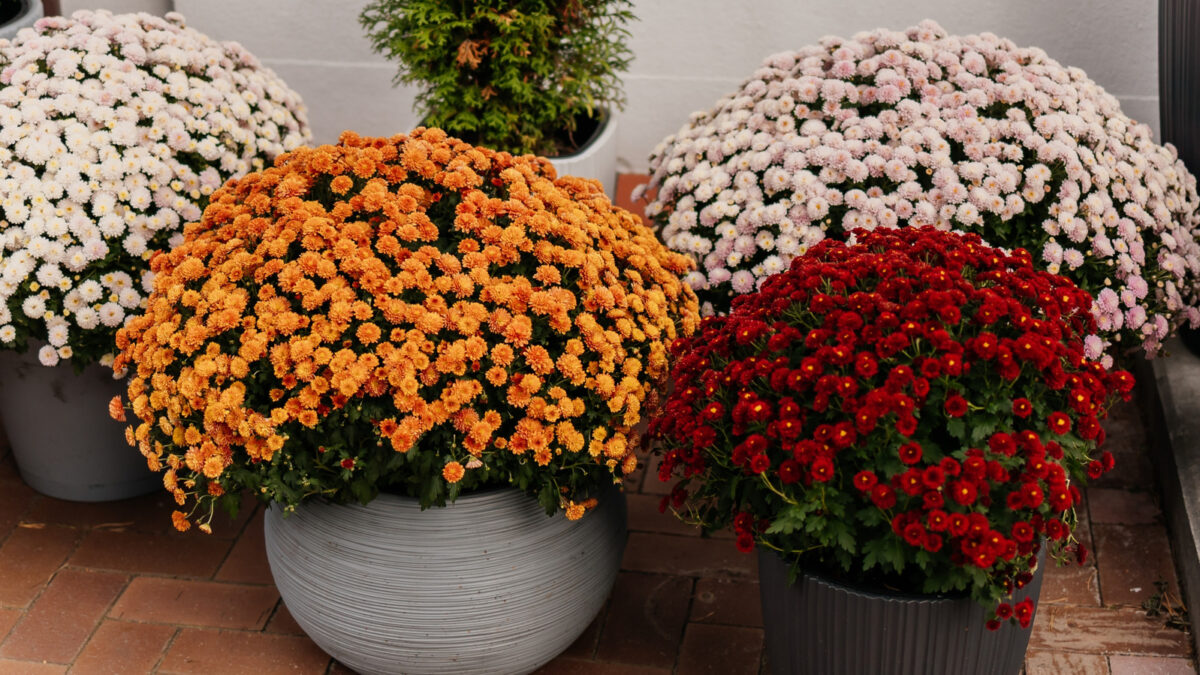
blanket flowers for autumn porch pots, Digi Mart USA News: Gardeners looking for fall porch plants beyond garden mums may consider blanket flowers (Gaillardia spp.), a sun-loving, disk-shaped bloom that attracts butterflies and bees. According to a House Digest article, the flowers come in single or double multi-toned blooms in warm sunset hues, with tubular or curved petals.
The article notes that the species G. aristata is perennial in USDA Hardiness Zones 3 to 8, while G.
pulchella is perennial in zones 5 to 9. The hybrid Gaillardia x grandiflora, the most common garden type, is also hardy to zone 3 but may be grown as an annual. Because blanket flowers are native to North America, a local nursery may help identify a well-adapted species.
Blanket flowers typically begin blooming in late spring or early summer and can continue until the first frost, so they are often in full bloom in autumn. The article also says they are resistant to deer and tolerate salt spray, making them suitable for coastal gardens.
For potted plants, the article advises placing them where they receive at least six hours of direct sunlight. Containers need drainage holes because roots can rot in standing water.
Because containerized plants dry out faster than in-ground plants, the soil should be checked for dryness to a depth of 3 to 4 inches before watering, and excess water should drain away fully, or a self-watering planter can be used.
To prolong blooms, spent flowers can be deadheaded, and gardeners should wear gloves because Gaillardia contains lactones that can irritate the skin. Allowing the last flowers to set seed may attract goldfinches and other seed-eating birds.
The article notes the plants can bloom without fertilizer, since feeding may encourage foliage at the expense of flowers, and that clumps can be divided or cuttings taken in spring or fall.
In colder conditions, the article cautions that potted blanket flowers may only survive winter in zone 5 and up, and in-ground plants may need help when temperatures fall below -20 degrees Fahrenheit. Options include moving pots to an unheated garage, basement or cold frame, or wrapping containers in bubble wrap or burlap, with the potting mix monitored so it does not dry out completely.
Compact varieties such as ‘Arizona Apricot’ can be paired with drought-tolerant ornamental grasses or succulents, or with purple or blue flowers such as coneflowers or asters.