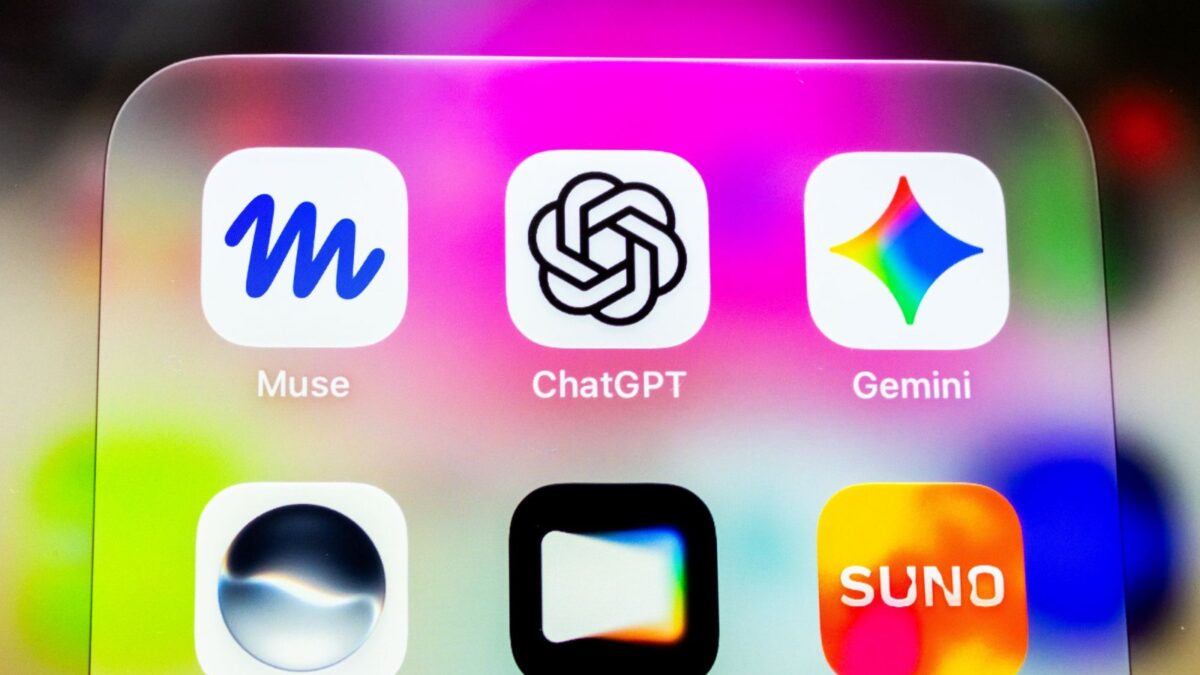
Gemini 4 Hydrogen, Digi Mart USA News: Google released Gemini 4 Hydrogen on November 12 and is rolling it out worldwide in the Gemini app, Google Search and the Gemini API. According to Google’s announcement, the model replaces Gemini 3.8 Flash as the company’s everyday model and is the first of these models to drop the Flash name.
Google says Hydrogen finishes tasks 2.5 times faster than its predecessor and makes fabricated claims more than five times less often. On the Artificial Analysis Intelligence Index it scores 51, one point ahead of the larger Gemini 4 Argon.
For paying subscribers, the most visible change is on Google’s Gemini plans page. Google AI Plus, priced at $4.99 per month, now lists Gemini 4 Hydrogen as its headline model and includes twice the usage limits of the free tier.
The Pro model no longer appears in the Plus column. Google AI Pro, at $19.99, starts the Pro tier and also includes Gemini 4 Argon.
Google had told Plus subscribers by email that they would lose Pro models on November 13, but its help page on Gemini models still lists Pro under AI Plus, so the two pages currently disagree.
Free users cannot choose Hydrogen directly. Google says they receive it through auto model selection “when it’s the appropriate model for the prompt.” The Gemini Apps Help states that most prompts still go to Flash-Lite and that “prompts that require more reasoning may use Hydrogen.” With auto model selection turned off, every reply comes from Flash-Lite, which has been the only model free users can select manually since October.
Users who want to check which model produced a reply can do so on gemini.google.com by opening the menu below a response, choosing Show thinking steps and scrolling to the bottom, where Gemini names the model used. The auto model selection switch is located under Settings and Usage limits.
Google says Hydrogen is available in Google Search for all users worldwide and handles multi-part questions and typos better. For developers, pricing is $1.50 per million input tokens and $7.50 per million output tokens across a full context window of 1 million tokens.
The model offers four thinking levels, including a new xhigh setting intended for the most thorough answers.