UK-EU health security agreement on medicine shortages, Digi Mart USA News: The UK and EU are set to strike a deal to help tackle post-Brexit shortages of medicines such as antibiotics, ADHD medication and epilepsy drugs at next week’s reset summit.
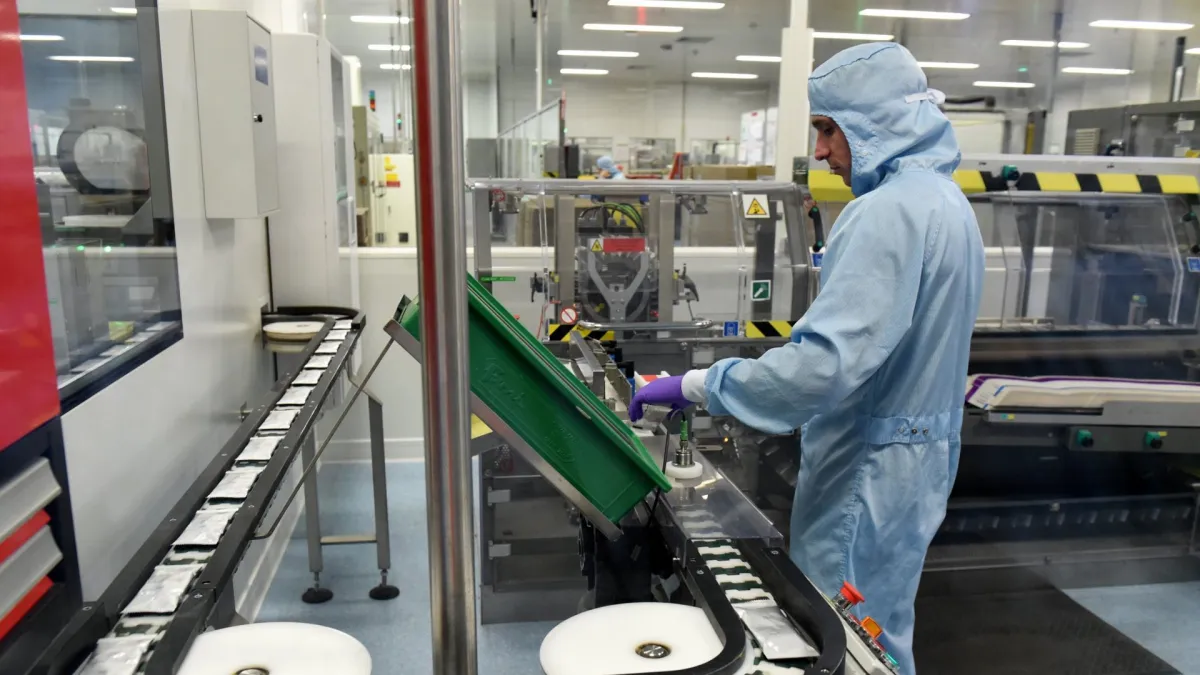
The two sides are finalising a health security agreement that will help address shortages of certain drugs that have worsened since Brexit, according to a draft text of a joint UK-EU statement seen by The i Paper. The deal is designed to boost the sharing of intelligence on medicine supplies, helping the two sides collaborate as they experience supply shortages driven by global instability and, in the case of the UK, partly by post-Brexit trade barriers.
Experts on post-Brexit health policy said the planned deal appeared to be significant and a good first step in addressing shortages that have hit both sides of the Channel in recent years. Recent crises have affected access to antibiotics needed for winter illnesses, as well as critical products for people with long-term conditions such as ADHD and epilepsy.
The agreement is expected to come alongside a major Brexit reset package covering food and drink trade, carbon markets and youth mobility. Andy Burnham said that package would boost the UK’s economy by adding 0.4 per cent to gross domestic product.
An EU draft text of a joint statement refers to both sides using the 20 November summit in Brussels to welcome the signing of a memorandum of understanding on health security. This will include matters concerning medical countermeasures and the finalisation of a specialised committee on health security as part of the overarching post-Brexit trade deal.
The i Paper has learnt this will help both sides inform each other of where shortages exist and share information on how to source supplies.
Mark Dayan, Brexit programme lead at the Nuffield Trust, a health think-tank, said the deal was significant and would help both the UK and EU, which have been dealing with a really bad four or five years for medicines shortages. He said finding out about shortages sooner would be useful, allowing both sides to identify where stocks are and move them around.
The UK faces extra barriers to bringing medicines into the country and moving them to the EU due to additional regulatory steps and border checks necessitated by Brexit. Britain is also left out of EU measures to alleviate shortages, which have been driven by crises including Covid, the Ukraine war and potentially the Iran war.
The EU’s Critical Medicines Act, which would allow the bloc to subsidise factories in its territory, has the potential to lock the UK out.
Dayan said that working more deeply with the EU on coordinating medicine reshoring and supply chains would be ideal. He added that this would be difficult to arrange after Brexit, and that the agreement is a good first step.
The agreement is expected to help manage ongoing shortages of ADHD and epilepsy medication, as well as particularly serious current shortfalls for drugs such as Creon, which helps people with cystic fibrosis and pancreas issues digest food, and Lanzoprazole, a common treatment for stomach ulcers and heartburn. Dayan said the deal might be more helpful for heading off the next wave of shortages but could also help manage current ones.