Google Pixel Tag launch, Digi Mart USA News: Google’s answer to Apple’s AirTag, the Google Pixel Tag, goes on sale starting Tuesday, allowing Android users to track items such as their keys, wallet or bag using their smartphone’s built-in Find Hub.
First announced in August, the $29.99 device takes cues from the AirTag and other lost-item finders by offering connectivity via Bluetooth and ultra-wideband for precision finding. This lets Android device owners, including Pixel Watch wearers, locate their missing items using a combination of visual distance and directional guidance.
The tag also has a built-in speaker that plays a chime to help users locate an item when it is nearby. If you have lost your phone, you can press the button on the Pixel Tag twice to ring it.
Users can choose among three levels of loudness in the Find Hub settings, with the maximum volume around 80 decibels.
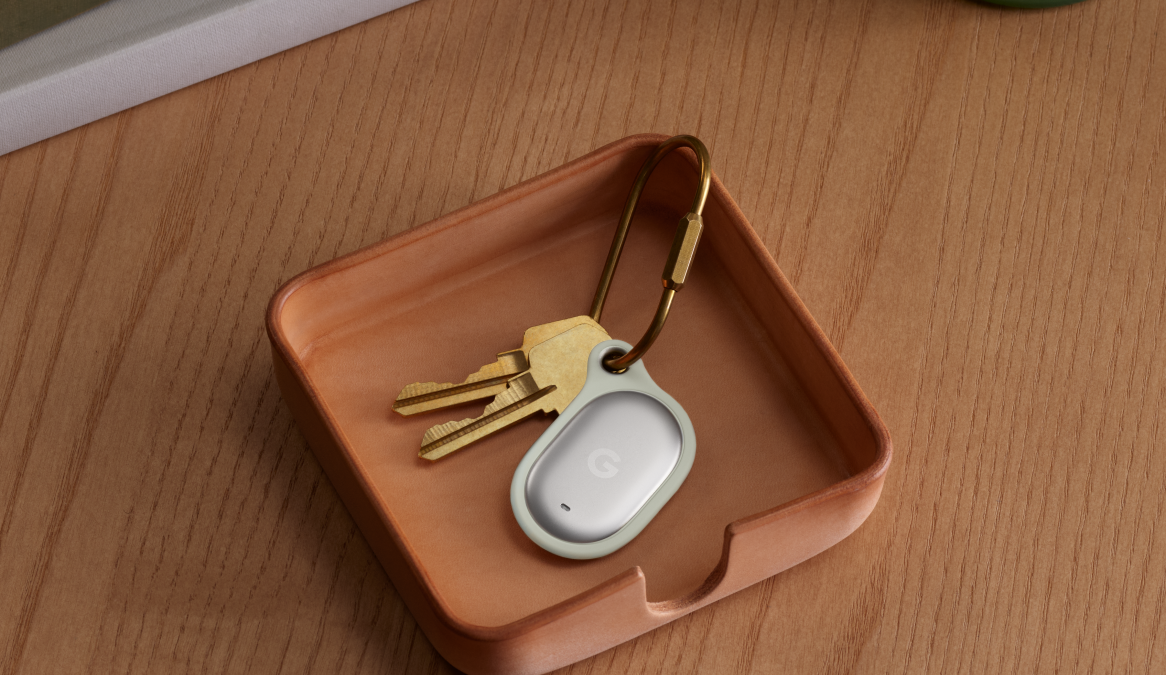
Although the Pixel Tag serves the same purpose as an AirTag, Google has chosen a different design. Instead of a small, round device like Apple’s, the Pixel Tag is slimmer and more elongated.
It measures 1.1 inches wide and 1.8 inches high, and it is 0.2 inches thick, compared with the AirTag’s 1.26 inches in width and 0.31 inches in height, which Apple calls its height. The slimmer profile may appeal to some users, particularly those attaching the tag to a small item such as a keychain.
The device weighs just 0.4 ounces, with the battery included. Unlike Apple, Google uses a physical button on the tag, which makes its intended function more obvious.
Google did not say when it announced the device in August that the Pixel Tag included NFC. NFC enables people who find lost items to tap the side of the tag to open a webpage showing the owner’s contact information on Apple’s AirTag.
On the Pixel Tag, the tap gesture instead connects the user to the device’s settings.
For lost items that are not nearby, the Pixel Tag relies on Google’s crowdsourced network of more than a billion Android devices worldwide. Similar to competing offerings from Apple and Tile, the network uses connectivity from other Android devices to identify and share the location of a lost item with its owner.
That location is displayed on a map inside the Find Hub app.
A person who finds the item cannot tap it as with NFC-enabled devices, but Pixel Tags placed in “Lost” mode can share the owner’s email address, phone number and a short message so the finder can make contact. When the tag returns within range of the owner’s phone, the item is automatically marked as found.
The Pixel Tag’s location can also be shared with up to 10 people in the Find Hub app, which could be useful for shared items such as family car keys.
Like the AirTag, the Pixel Tag uses a user-replaceable CR2032 coin cell battery, making the device reusable over the long term. Google claims the device offers up to one year of battery life to start.
The device is made of stainless steel and has IP67 water and dust resistance, with a maximum depth of 1 meter for up to 30 minutes. It pairs with devices running Android 9 or newer via Fast Pair technology.
The Pixel Tag comes in silver and pale green. It can be purchased individually or in a four-pack for $99.99.
Alongside the launch, Bellroy is releasing its own keychain cases in a variety of colors and styles, which will also be sold on the Google Store.
Note: this article was updated after publication to state that the Pixel Tag supports NFC, a feature not mentioned at the time of the August announcement.