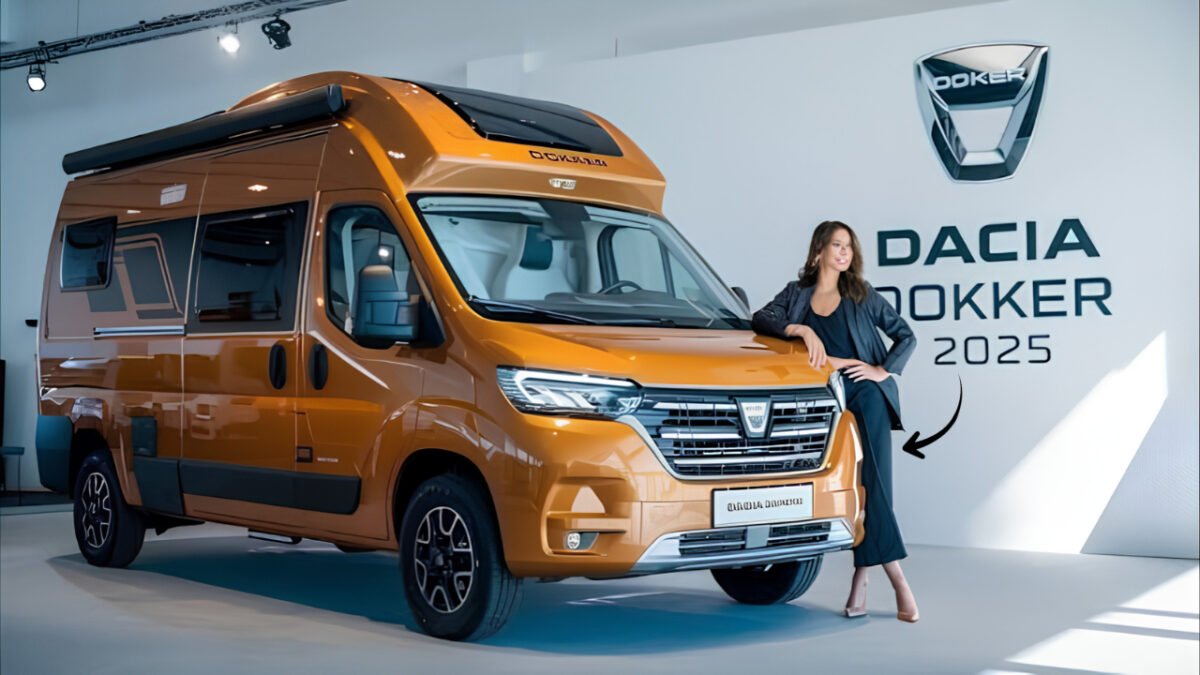
Dacia Dokker Camper 2026 : Instead, the discussion brings together existing Dokker conversions, independently imagined designs, and speculation about what a future compact recreational vehicle could offer. For American readers, that distinction matters before any discussion of features or availability begins.
Automotive coverage has already illustrated how easily an imagined comeback can resemble genuine product news.
Motor1 previously featured a digitally created Dokker revival while explicitly explaining that the vehicle was not real. That context helps separate an appealing camper concept from an actual manufacturer announcement.
What the Dokker Camper Actually Represents
The real Dokker camping story centers on adapting an existing practical vehicle rather than unveiling an entirely new motorhome. Specialist companies continue offering equipment designed specifically for the Dokker, including removable beds, kitchen modules, and storage solutions.
These products demonstrate that the camping application is genuine, even when claims about a new model remain unsupported.
This distinction changes how readers should understand the name. A Dokker fitted with aftermarket camping equipment is not automatically a Dacia factory camper, and a conversion completed during 2026 does not make the underlying vehicle a 2026 model.
The conversion date, original vehicle identity, and equipment manufacturer describe different parts of the finished camper.
A Sleeping Layout Built Around Simplicity
One verified example comes from VanEssa, which markets a Dokker sleeping system designed to create room for two people. The company describes a setup that stores compactly in the rear during travel and unfolds after the rear seats are folded.
That arrangement captures the central attraction of this camper format: practical transportation first, overnight accommodation when needed.
Rather than promising a miniature apartment, the layout concentrates on a flat sleeping surface and usable space underneath.
VanEssa also states that its Dokker camping modules can be installed and removed without tools or permanent vehicle modifications. For occasional travelers, that flexibility may be more relevant than elaborate cabinetry.
Cooking Equipment Depends on the Conversion
There is no single verified specification sheet covering every vehicle described online as a Dokker Camper. Equipment depends on the converter, selected modules, and individual installation.
VanEssa offers rear kitchen arrangements incorporating cooking equipment, a washing bowl, and storage for utensils. Those features belong to particular conversion products, not to a universally established 2026 factory specification.
That is why attractive photographs should be read carefully. A kitchen drawer, portable refrigerator, or roof accessory shown on one converted vehicle does not establish standard equipment across the nameplate.
Readers evaluating a real example need documentation for that specific build rather than a generalized list assembled from unrelated campers.
Why the Idea Appeals to American Travelers
The appeal is easy to picture: finish work, load a few bags, and head toward a quiet campsite without preparing a large recreational vehicle.
The Dokker conversion concept supports that vision through removable sleeping and cooking equipment rather than a permanently dedicated living compartment. It is an approach centered on adapting ordinary transportation for short escapes.
For a prospective American owner, however, visual appeal is only the beginning. The practical question is whether a particular vehicle can legally enter the country, meet applicable requirements, and obtain registration.
The United States Import Question
Federal import rules are especially important here. NHTSA explains that a vehicle younger than 25 years that was not originally manufactured and certified to meet applicable Federal Motor Vehicle Safety Standards generally cannot be permanently imported unless the agency determines it eligible. A camper conversion does not itself establish compliance with those requirements.
For eligible nonconforming vehicles, the process can involve a Registered Importer and modifications needed to meet federal standards. NHTSA makes clear that eligibility must be established before that route can proceed.
Consequently, American readers should not interpret European availability, an overseas registration, or a completed camper interior as proof that a Dokker can be imported normally.
Reading Online Claims With Care
Some online videos describe a 2026 Dokker camper using launch language while acknowledging elsewhere that Dacia has not officially confirmed a dedicated version. One such presentation explicitly characterizes its specifications and timing as predictions.
That contradiction is a useful warning: confident narration does not turn an imagined product into an announced vehicle.
The strongest evidence comes from clearly identified sources describing what actually exists. A conversion supplier can substantiate its own bed or kitchen module. A manufacturer announcement would be needed to substantiate a new factory model.
Keeping those categories separate allows enthusiasts to appreciate the design possibilities without mistaking speculation for confirmed automotive news.
The Real Story for Dacia Dokker Camper 2026
The Dokker camper story remains interesting without an invented launch. Existing aftermarket systems show how a practical vehicle can become a straightforward travel companion.
For Americans, the meaningful takeaway is narrower than the online excitement suggests: investigate the actual conversion, verify the underlying vehicle, and establish import eligibility before treating any example as a realistic purchase. Until stronger evidence appears, the 2026 label should describe the conversation, not a confirmed new factory camper.