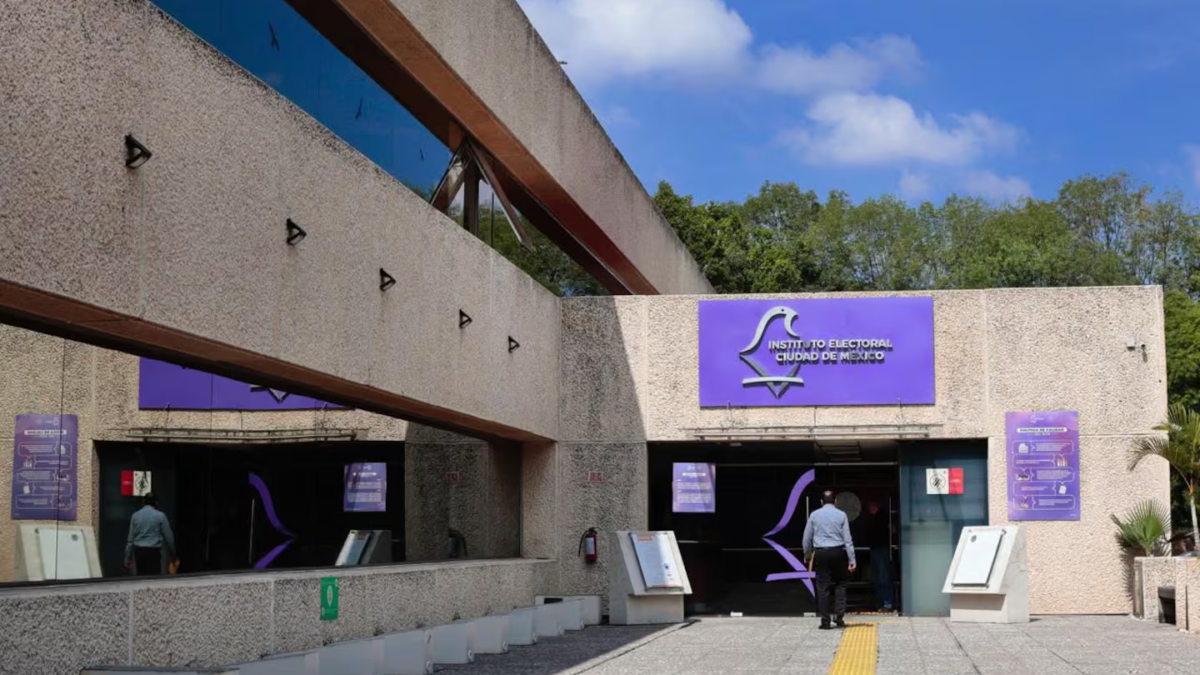
IECM citizen observation reports on electoral processes and consultations, Digi Mart USA News (Mexico City, Mexico): The Electoral Institute of Mexico City (IECM) presented the collection “Citizen Perspective: Reports from Observers and Foreign Visitors 2025 and 2026,” made up of three publications that document the experiences, analyses and recommendations of people who accompanied electoral processes and citizen participation exercises in the capital.
The reports cover the 2025 Judicial Power Extraordinary Local Electoral Process, the 2026 election of the Community Participation Committees (COPACO), and the Participatory Budget Consultations of 2025, 2026 and 2027.
At the presentation, IECM council president Patricia Avendaño said the observations help identify areas of opportunity, strengthen electoral integrity, and expand security and transparency conditions in democratic processes.
The first panel addressed the reports on the 2025 judicial election and the Participatory Budget Consultation of that same year. Electoral councilor Ernesto Ramos Mega argued that electoral observation should not be limited to specialists, since any person can take part if they meet the requirements and receive the corresponding training.
Areas identified for improvement include training, ballot design and accessibility conditions. He also said it is necessary to distinguish the responsibilities of the IECM and the National Electoral Institute (INE) in following up on the recommendations.
Councilor Erika Estrada Ruiz said the reports provide external perspectives for evaluating citizen participation mechanisms and improving community deliberation, particularly in decisions about participatory budget projects. She added that the observations and recommendations are systematized by the institute’s departments so they can be incorporated into institutional improvement actions.
The second panel presented reports on the 2026 COPACO election and the 2026 and 2027 participatory budget consultations. Electoral councilor Cecilia Aída Hernández Cruz, who moderated the event, said the documents allow evaluation of citizen participation exercises, identification of shortcomings, and follow-up on proposals to improve their organization.
Karla Fabiola Luna Hernández, a member of the IECM Observation Network, called for stronger project review processes, transparency, accessibility and community engagement.
Nadia Amalevi, head of the Municipal Office of Citizens’, Consumers’ and Users’ Rights in Rosario, Argentina, shared her experience as an international observer in Mexico City, where she visited eight polling stations across seven boroughs. She acknowledged the institute’s organization but noted opportunities for improvement in infrastructure and accessibility to guarantee equitable conditions for participation.
Electoral councilor Maira Melisa Guerra Pulido also identified challenges related to publicizing participation mechanisms, civic education, territorial inequalities and monitoring of approved projects. She also stressed the need to expand inclusion of historically excluded sectors.
The three reports aim to document both the strengths and the deficiencies detected during these exercises, so that the recommendations can be considered in organizing future electoral processes and citizen participation mechanisms.