COP31 climate conference Antalya opening, Digi Mart USA News (Antalya, Turkey): The UN climate conference has begun in Antalya, Turkey, with urgent warnings and a promising proposal. Even so, the first conflict emerged on the opening day.
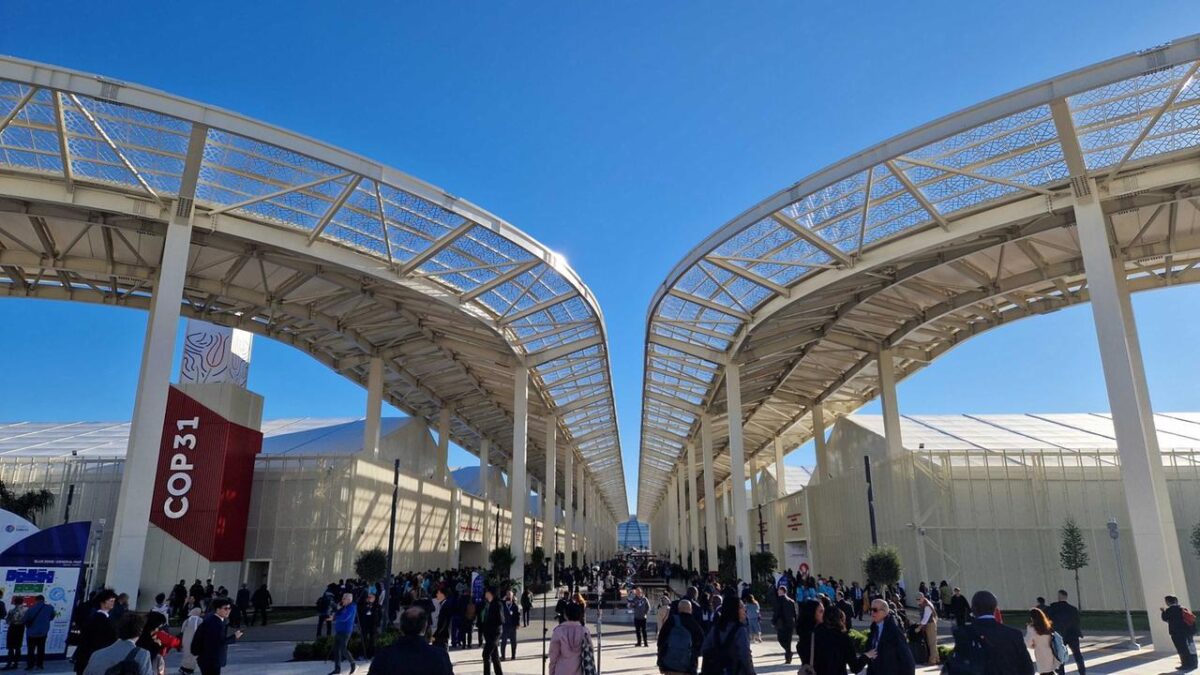
Massive crowds gathered at COP31 in Antalya, with many delegates waiting in long lines in the morning to enter. Delegations from roughly 190 countries are attending the summit, and about 80,000 people are expected.
It could become the second-largest COP ever held.
At the opening of the climate conference, Simon Stiell, Executive Secretary of the United Nations Framework Convention on Climate Change secretariat, issued stark remarks. He said the urgency of the moment must drive action.
Global warming is already taking its toll. A powerful El Niño is adding fuel to climate change, which is already devastating communities and economies everywhere.
The most vulnerable are paying the highest price.
A proposed electrification target
One idea dominating discussions on the first day was put forward in advance by the Turkish presidency: an electrification target. By 2035, 35 percent of global energy consumption by industry and households would come from electricity, ideally generated from renewable sources.
Christoph Bals of the climate NGO Germanwatch views the proposal positively. “If we managed to bring electrification from its current level to 35 percent by 2035, that would reduce global emissions in industry, buildings and transport by roughly 40 percent,” he said.
“That would be a huge step.” He added that the Iran war and the resulting oil and gas crisis have led more countries to seek to reduce their dependence on fossil fuels. Political momentum for an electrification target therefore appears to exist at the conference.
Climate finance dispute
However, the first day also brought the first conflict. Two years ago, industrialized countries pledged to triple their financial support for adapting to climate change for poorer countries, but remained vague about the specific amounts.
African countries in particular wanted to place climate finance centrally on the agenda. According to ARD information, industrialized countries, including the EU, sought to prevent this.
After some dispute, a compromise was reached: climate finance will not be a separate topic but will be considered in all other negotiations. The first major dispute has thus been temporarily settled.
Sabine Minninger of Brot für die Welt is skeptical. She said this could mean the topic is discussed at length without substance.
Africans could then leave the talks very disappointed. Alternatively, the poorest states could block other negotiating tracks.
In that case, Germany, together with the EU and other industrialized countries, would have shot itself in the foot.
Tensions over climate finance could therefore resurface repeatedly over the coming two weeks at COP31 in Antalya, and could also block progress on electrification.